



The ‘Less Effort’ Promise Explained
The secret to a low-maintenance garden lies in working with nature, not against it. Native plants are species that have grown and evolved in your local area for centuries. They are perfectly adapted to the local soil, rainfall patterns, and temperature
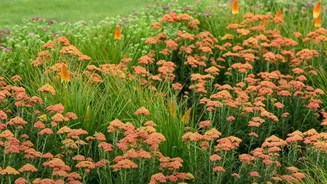
extremes. This intrinsic resilience means they are naturally tough and self-sufficient. Once established, many native plants require significantly less water than non-native ornamental varieties, a huge benefit in regions with water scarcity. They have also co-evolved with local insects and diseases, often developing their own defences, which means you'll spend less time and money on pesticides and fertilisers. This doesn't mean zero care, but your gardening routine will become simpler and more rewarding.
A Backyard Biodiversity Hotspot
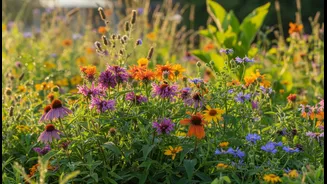
A native garden is more than just a collection of plants; it's a bustling ecosystem. These plants provide the specific food and shelter that local wildlife needs to survive. The flowers, seeds, and leaves of native species are perfectly matched to the needs of local birds, bees, butterflies, and other pollinators. When you plant natives, you are essentially rolling out a welcome mat for these creatures, creating a vital sanctuary in an urban or suburban landscape. Over time, your garden can become a small but crucial link in a larger natural corridor, helping to support local biodiversity and the health of the wider environment. By contrast, many popular non-native plants offer little to no food for local wildlife.
Choosing the Right Native Plants
India's diverse climate means a plant native to the Himalayas won't thrive in the tropical south. The key is to find what's native to your specific region. Start by observing your garden: notice which areas get full sun and which are shady. Understand your soil type—is it sandy, clay, or loamy? A little local research is your best tool. Check with local nurseries, university agricultural extensions, or online resources like the India Biodiversity Portal to identify species from your area. While a definitive list is impossible, some widely adapted and beloved plants found across many Indian gardens include the hardy Bougainvillea, the vibrant Hibiscus, fragrant Jasmine (Mogra), and cheerful Marigolds. For trees, icons like Neem and Peepal are not only resilient but culturally significant. Even starting with one or two native additions can make a difference.
Your Simple Starter Guide
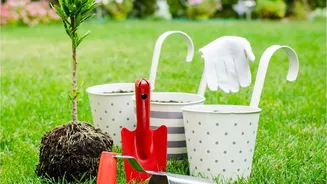
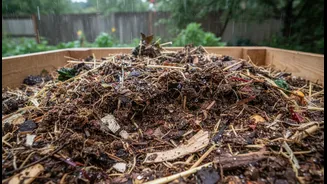
Ready to begin? Don't feel you have to overhaul your entire garden overnight. Start small. Choose a small patch and prepare the site by removing existing weeds. While native plants are adapted to local soil, adding a bit of organic compost can help them get established. When planting, give each plant enough space to reach its mature size, considering both its height and spread. Water your new plants regularly for the first few weeks to help their roots settle in. Once they are established, you can taper off to a much less frequent schedule. The most important step is simply to start. By planting your first native, you begin a journey of observation and connection with your local landscape.