


It was once a given: for premium brands and luxury goods, you had to be in a metro. But that geography of desire is being redrawn. A powerful combination of rising aspiration and sophisticated logistics is now bringing high-end retail to doorsteps far
beyond Mumbai and Delhi.
The New Geography of Indian Luxury
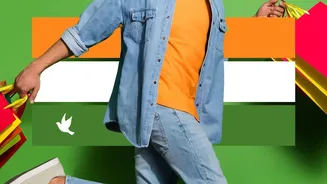
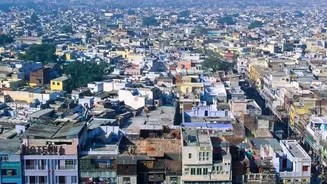
For decades, luxury retail in India was a story confined to the nation’s largest metropolitan hubs. Today, that narrative is rapidly expanding. The most significant growth in the luxury and premium goods market is no longer coming from the metros, but from Tier-2 and Tier-3 cities. A recent report highlighted that over half of all luxury sales now originate from cities like Lucknow, Surat, Raipur, and Guwahati. This isn't just a fleeting trend; it’s a structural shift. With rising disposable incomes and widespread digital exposure, consumers in these cities are no longer just aware of global brands—they are actively seeking them out. This shift is powered by what some analysts call the flattening of the aspiration curve; a consumer in Indore or Vadodara now sees the same global trends online as someone in South Mumbai, closing the gap between awareness and the desire to purchase.
The Logistical Backbone of Aspiration
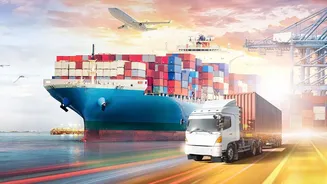
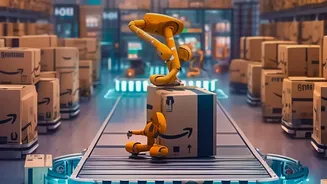
Aspiration alone cannot fuel a market; access is the critical other half of the equation. This is where India's e-commerce logistics sector has become a game-changer. Companies like Delhivery, Blue Dart, and others have built sophisticated supply chains capable of handling high-value products, which were previously a major hurdle. These logistics providers offer services essential for the high-end market, including secure warehousing, specialized handling for fragile items, real-time tracking, and even temperature-controlled transport for certain goods. Furthermore, the rise of Direct-to-Consumer (D2C) brands has been enabled by these logistics networks, allowing brands to bypass traditional retail and connect directly with customers, no matter their location. Technology like AI-powered route optimization and automated sorting centres ensures that a designer handbag ordered from a brand's website in Europe can reliably reach a customer in Jaipur or Coimbatore.
What's in the Digital Shopping Cart?
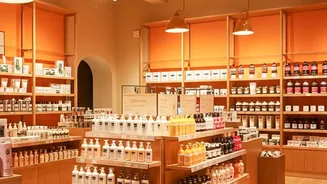
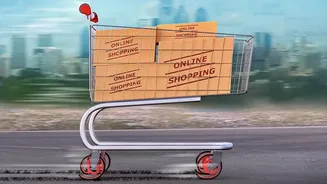
The demand from Tier-2 cities is diverse and growing. While electronics and high-end fashion were early drivers, the appetite has expanded significantly. Categories seeing major growth include luxury beauty and personal care, which often serve as an entry point for first-time luxury buyers. Premium home décor, designer accessories, and luxury watches are also increasingly popular purchases. This isn't just about big-ticket items; it's about a broader lifestyle upgrade. Consumers in these cities are making thoughtful, well-researched purchases, often tied to milestones like weddings or festivals. Platforms like Tata CLiQ Luxury and Ajio Luxe have become key players, curating collections of international and Indian luxury brands specifically for this discerning online audience.
Brands Follow the Digital Footprint
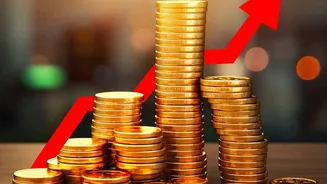
Luxury brands, once hesitant to look beyond physical stores in prime metro locations, are now embracing a digital first approach to tap into this burgeoning market. The data is compelling: Tier‑2 and 3 cities accounted for nearly two‑thirds of new D2C orders in the 2026 financial year. This has led to a strategic pivot. International brands are launching on Indian multi‑brand e‑commerce sites and investing in their own D2C platforms to offer a seamless brand experience nationwide. They are learning to balance a global appeal with local context, timing promotions around regional festivals and cultural events to create a stronger connection with consumers. The opportunity is simply too large to ignore, with India’s D2C market projected to grow to $60 billion by 2030.
Challenges on the Final Mile
Despite the rapid progress, challenges remain. The complexity of reverse logistics—managing returns for high‑value items—is a significant operational and financial hurdle. Ensuring product authenticity is another critical concern for consumers buying expensive goods online without the touch‑and‑feel reassurance of a physical store. While cash‑on‑delivery (COD) remains a popular payment method, it adds complexity and risk for sellers of high‑value goods. However, logistics firms are actively developing solutions, including better returns management systems and secure payment options, to build trust. Improving last‑mile delivery infrastructure in areas with unorganized or fragmented networks continues to be an area of focus to ensure that the premium experience promised online is matched by the delivery itself.