






What Exactly Is Agrivoltaics?
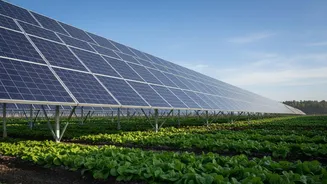
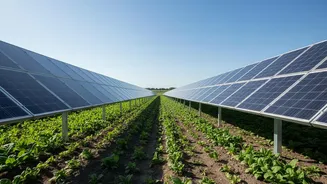
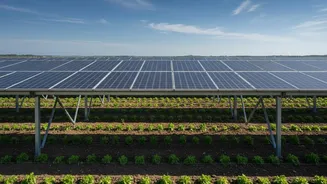
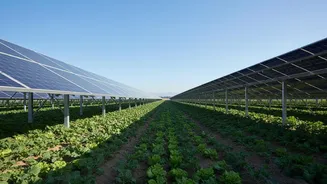
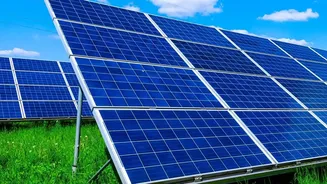
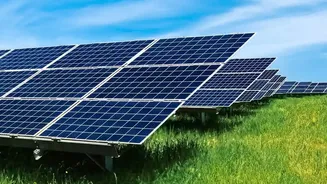
Agrivoltaics, also known as agrisolar or dual-use solar, is the practice of using the same plot of land for both agriculture and solar power generation. Instead of covering fertile ground entirely with solar panels, this innovative approach installs the panels on elevated
structures, typically several feet above the ground. This allows crops to be cultivated underneath, creating a symbiotic system. Farmers can continue to grow produce while the panels overhead capture sunlight and convert it into electricity. This model addresses a critical challenge: the competition for land between food production and renewable energy projects.
The Dual-Benefit Proposition for Farmers
The primary appeal of agrivoltaics is its potential to create two distinct income streams from the same land. Farmers earn money from selling their agricultural produce and also from the electricity generated by the solar panels. They can use this power for their own irrigation needs, reducing reliance on expensive diesel pumps, and sell the surplus energy to the grid for a stable, additional income. Furthermore, the shade provided by the panels can be beneficial for certain crops, protecting them from extreme heat and reducing water evaporation from the soil by up to 30%. This can lead to significant water savings and, in some cases, even improve the yield of shade-tolerant crops like turmeric, spinach, tomatoes, and various vegetables.
India’s Policy Push
The Indian government is actively promoting this technology as a way to achieve its ambitious renewable energy goals while also doubling farmer income. The flagship Pradhan Mantri Kisan Urja Suraksha evam Utthaan Mahabhiyan (PM-KUSUM) scheme is central to this push. Launched in 2019, PM-KUSUM encourages farmers to install solar power systems on their land, offering significant subsidies of up to 60% on capital costs. The scheme has several components, including setting up small-scale solar plants on barren land and solarising agricultural pumps. The government is also preparing a second phase, PM-KUSUM 2.0, which is expected to include a dedicated component for agrivoltaics to further accelerate adoption.
Early Success Stories on the Ground
Pilot projects across the country are already demonstrating the viability of this model. In Sagar, Madhya Pradesh, a 16-acre agrivoltaic farm successfully cultivates crops like strawberries and broccoli under elevated panels, generating thousands of units of electricity for the grid daily. Several states have also launched their own initiatives. Gujarat's SKY scheme and Maharashtra's MSKVY yojana provide financial support and guaranteed tariffs for farmers generating solar power. In Delhi, a solar scheme enables farmers to lease land for installations, earning a steady income of around ₹8,333 per acre each month. These early examples showcase a significant potential for income growth, with some pilots demonstrating a near ten-fold increase in per-acre earnings.
Hurdles on the Horizon
Despite its promise, the widespread adoption of agrivoltaics faces several challenges. The high upfront investment for elevated solar structures is a major barrier for many small and marginal farmers, even with subsidies. These structures can cost significantly more than standard ground-mounted solar projects. There is also a lack of extensive data on the long-term impact on different crop yields under Indian conditions. While shade-tolerant crops thrive, sun-loving crops might see reduced output. A lack of technical expertise, skilled labour for maintenance in rural areas, and clear land-use policies in some states also slow down progress. Building farmer awareness and providing adequate training will be crucial for overcoming these hurdles.