



In the high-altitude deserts of the Himalayas, where economic opportunities are scarce, a brilliant new resource is being tapped: the night sky. For remote villages, the stars are becoming a source of sustainable income and cultural revival.
An Ocean of Stars Above
Imagine a sky
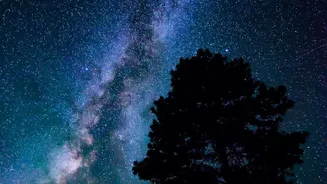
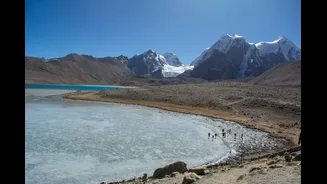
so clear and free of light pollution that the Milky Way appears not as a faint cloud, but as a brilliant, textured river of light. This is the nightly reality for villages perched over 13,000 feet above sea level in regions like Ladakh, India. For generations, this celestial bounty was simply a fact of life. Today, it's the foundation of a new, sustainable economic model. The high altitude, clear atmospheric conditions, and minimal light pollution create some of the best stargazing conditions on Earth. These areas, like the Hanle Dark Sky Reserve, India's first, are now recognized as unique destinations for a growing number of travelers seeking cosmic connection. This shift turns a natural, untouchable asset into a source of tangible community benefit.
From Homestays to 'Astro-Ambassadors'
The model, championed by social enterprises like the Global Himalayan Expedition (GHE), is elegantly simple. It combines eco-tourism with community empowerment. The process often starts with providing solar power to off-grid villages, which lays the groundwork for modern hospitality. The core of the program involves training local residents, predominantly women, to become 'Astro-Ambassadors'. These women are equipped with telescopes and educated in the basics of astronomy. They learn to guide tourists through the constellations, sharing both scientific knowledge and local folklore connected to the stars. Visitors stay in community-run homestays, where they experience authentic Ladakhi culture and cuisine. This 'Astrostay' model ensures that tourism revenue flows directly into the pockets of the families hosting and guiding visitors.
The Ripple Effect of a Telescope
The economic impact is profound. For a modest fee, tourists get a guided tour of the cosmos, and that income transforms lives. Women who once had limited financial independence now run their own small businesses, converting their homes into popular homestays and earning more in a week than they might in a month in a city job. Padma Chamchot, a 25-year old college graduate and astro-ambassador, noted that the initiative opened up opportunities that didn't require leaving her village for uncertain work. This creates a powerful incentive for young people to stay, reversing the trend of migration to urban centers. Revenue generated is often reinvested into the community, funding projects like solar water heaters and greenhouses that improve quality of life year-round.
Preserving Culture and the Environment
Unlike mass tourism that can strain resources and erode culture, astro-tourism is inherently sustainable. Its primary requirement is the preservation of darkness, which encourages responsible development and minimal light pollution. This low-impact model fosters a deep respect for the natural environment. Furthermore, it has sparked a cultural revival. Elders who once used the stars for navigation and timekeeping are now sharing that forgotten knowledge with younger generations of astro-ambassadors, who weave it into their nightly tours. This blending of modern science with ancient tradition creates a unique, enriching experience for travelers while strengthening the cultural fabric of the community itself. As one guide put it, the program provides a 'respectful, decent income while reconnecting us with science and our heritage'.