


The Fiery Gateway Drug
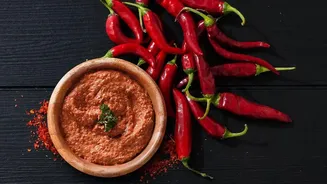
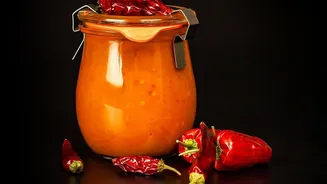
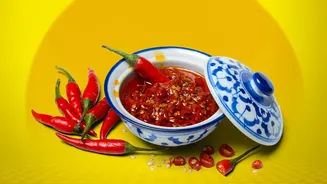
For years, the Bhut Jolokia, also known as Raja Mircha or King Chilli, was Northeast India's most famous culinary export, a chilli so potent it was once a Guinness World Record holder. Its reputation preceded it, often appearing as a dare in eating contests
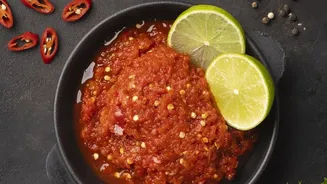
or as a novelty flavour. But a shift is underway. In cities like Delhi, Mumbai, and Hyderabad, creative chefs are treating this formidable pepper with the respect it deserves, moving it from a gimmick to a gourmet ingredient. Instead of just cranking up the heat, they are harnessing its unique smoky flavour. You can now find Bhut Jolokia infused into everything from fiery chicken curries and pork ribs to complex chutneys and dips served alongside momos. Some adventurous kitchens are even incorporating its essence into sauces for burgers, wings, and surprisingly, even desserts like chocolate gelato, proving that its appeal goes far beyond pure spice. This thoughtful integration has served as a gateway, introducing urban diners to the bold flavours of the Northeast and leaving them curious for what else the region has to offer.
Beyond Heat: The World of Fermentation
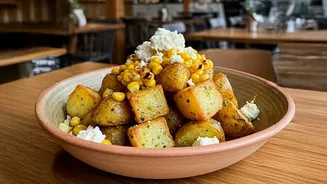
Once your palate acclimates to the chilli, a whole new universe of flavour opens up, much of it built on the ancient tradition of fermentation. At the heart of this is Axone (pronounced 'Akhuni'), a fermented soybean paste with a powerful, pungent aroma and a deep, savoury umami kick. Traditionally a staple in Naga households, Axone is now being masterfully woven into modern cafe fare. Chefs are using it to create rich, flavourful pork and beef curries, but also deconstructing it into spice rubs, vinaigrettes, and sauces that are more approachable for the uninitiated. Similarly, fermented bamboo shoot, known for its tangy, slightly sour profile, is no longer just an ingredient for traditional stews. Urban eateries are transforming it into crispy chilli bamboo shoot fries, vibrant pickles, and zesty chutneys that can elevate a simple meal. These ingredients, once considered an acquired taste, are teaching a new generation of foodies that Northeastern cuisine is about complex, layered flavours, not just spice.
Chefs as Cultural Ambassadors
This culinary renaissance isn't happening by accident. It’s being driven by a wave of talented chefs and food entrepreneurs, many hailing from the Northeast, who are passionately reclaiming their heritage on their own terms. Through pop-ups, modern restaurants, and inventive collaborations, they are challenging the long-held, simplistic view of their region's food, which was often dismissed or misunderstood. These culinary ambassadors are not just replicating old recipes; they are reinterpreting them with creative twists. Think doh khlieh, a traditional Khasi pork salad, reimagined as a topping for elegant crostinis, or jadoh, a rice and pork dish, presented in the style of a creamy risotto. By using familiar formats to introduce unfamiliar flavours, these chefs are building a bridge between tradition and modernity. They are telling the story of their culture one plate at a time, ensuring that the unique ingredients and cooking techniques of their home states finally get the spotlight they deserve in India's diverse culinary landscape.
A New National Pantry
The growing popularity of these condiments signifies more than just a fleeting food trend. It represents a fundamental expansion of the Indian palate and a deeper appreciation for the country's true culinary diversity. For decades, mainstream Indian cuisine in urban centres was largely defined by a handful of regional styles. The emergence of Northeastern flavours in cafes and restaurants is changing that narrative, reminding us that there is a vast and varied pantry of ingredients waiting to be explored. This movement also has a tangible impact, creating new supply chains and offering economic support to the farmers and communities that cultivate these unique products. As more diners seek out the smoky heat of Raja Mircha, the umami of Axone, and the tang of fermented bamboo, they are not just having a meal; they are participating in a cultural exchange that celebrates the richness of India's regional kitchens. So the next time you see a Northeastern ingredient on a menu, be adventurous. You might just discover your new favourite flavour.