


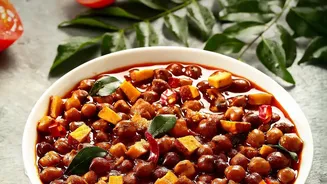
The Vegetarian Protein Challenge
Protein is a vital building block for everyone, but it’s especially crucial for young adults. It fuels everything from muscle repair and growth to immune function and keeping you feeling full. A common concern on a vegetarian diet is not just getting
enough protein, but getting the right 'quality' of protein. Many typical Indian vegetarian meals are rich in carbohydrates from rice and rotis, with protein often taking a backseat. While delicious, this can sometimes lead to falling short of daily protein targets, which for a healthy adult is around 0.8 grams per kilogram of body weight. For a 60 kg person, that's roughly 50 grams of protein daily.
Meet the Power Couple: Dal and Paneer
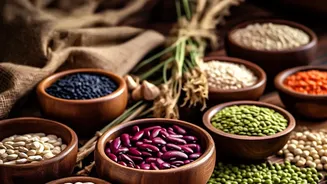
Enter two kitchen heroes: lentils (dal) and paneer. On their own, they are nutritional stars. A single cup of cooked lentils provides around 18 grams of protein, along with valuable fibre and micronutrients like iron and folate. Meanwhile, a 100-gram serving of paneer offers a substantial 18-23 grams of high-quality protein. What makes this pairing so effective isn't just the combined quantity, but the science of how their proteins work together.
The Science of a 'Complete' Protein
Proteins are made of amino acids. Nine of these are 'essential', meaning our bodies can't make them, so we must get them from food. A food that contains all nine is called a 'complete protein'. Most animal products, including dairy like paneer, are complete proteins. Most plant-based foods, like lentils, are 'incomplete', meaning they are low in one or more essential amino acids. Lentils, for instance, are typically low in an amino acid called methionine. Paneer, being a dairy product, contains all nine essential amino acids in abundance. When you eat them together, the paneer fills the gap in the lentils' amino acid profile. This concept, known as protein complementation, turns your meal into a high-quality, complete protein source, similar to what you would get from meat or eggs.
Making It Work in Your Daily Diet
Incorporating this duo into your meals is easy and delicious, as they are already staples of Indian cuisine. The goal is to make the combination a regular habit, not a rarity. Think beyond just having a small bowl of dal with a separate paneer dish. By combining them, you ensure every bite is nutritionally balanced. This strategy helps maintain steady energy levels, supports muscle maintenance (especially if you're active), and keeps you feeling satisfied for longer.
Simple and Delicious Meal Ideas
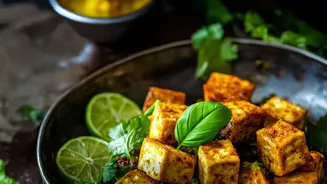
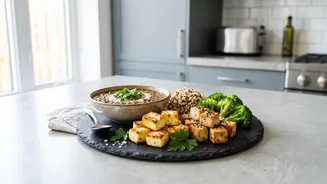
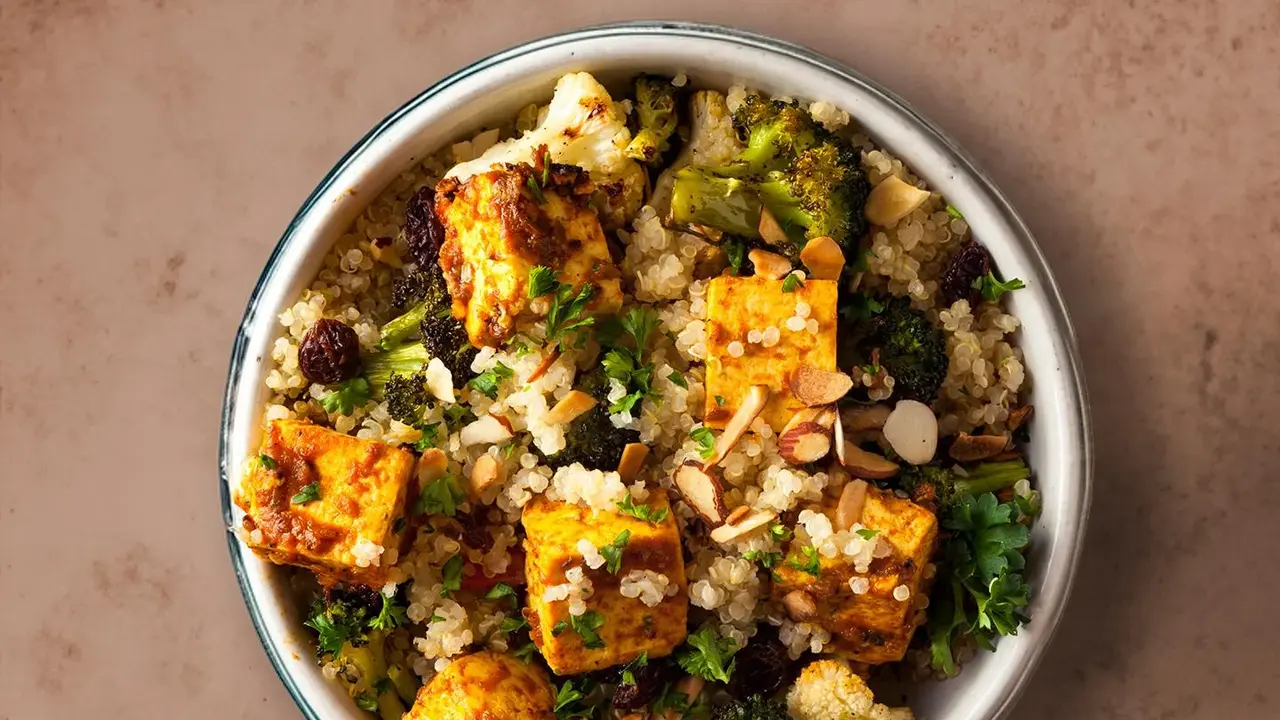
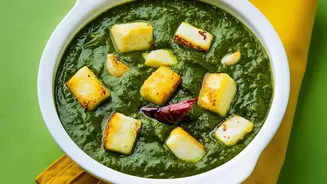
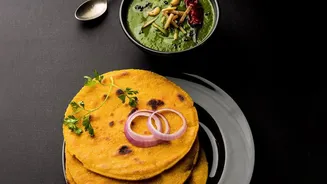
You don't need to be a gourmet chef to bring this power pair together. Here are a few simple ideas to get you started: Paneer Dal Makhani: Add cubes of lightly fried paneer to your favourite dal makhani recipe during the last 10 minutes of simmering. Lentil and Paneer Curry: A simple tomato-onion based curry can easily accommodate both cooked lentils and paneer cubes for a one-pot meal. Stuffed Chilla or Paratha: Use a filling of crumbled paneer mixed with spices inside a moong dal chilla or a whole wheat paratha for a protein-packed breakfast or lunch. Paneer Bhurji with a Side of Dal: A quick and flavourful paneer bhurji served alongside a hearty bowl of chana or masoor dal makes for a perfectly balanced and quick dinner.
More Than Just Protein
The benefits of this pairing extend beyond just protein. Paneer is an excellent source of calcium, which is vital for bone health, and healthy fats. Lentils are loaded with dietary fibre, which is crucial for good digestion and gut health, and they are also rich in iron, a mineral that can sometimes be low in vegetarian diets. Together, they provide a broad spectrum of nutrients that contribute to overall wellness, making your meal not just protein-rich, but truly nourishing.