






Check Weather Alerts and Local Conditions
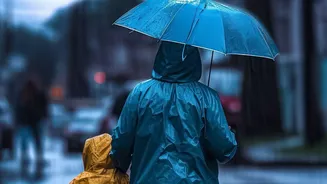
Before you even step out, your first task should be to get a clear picture of the day's weather. This goes beyond a simple rain forecast. During the monsoon, it's crucial to check for official alerts regarding heavy rainfall, flooding, and landslides,
especially if you are in hilly or coastal regions. Many government agencies and weather websites provide real-time updates on road closures and transport disruptions. Asking your hotel staff each morning about local conditions is also a smart move, as they often have the most current and relevant information for your immediate area. A quick five-minute check can help you adjust your plans, avoid getting stranded, and ensure you don't unknowingly head toward a risky area.
Apply a Strong Insect Repellent
The monsoon season is peak breeding time for mosquitoes, which increases the risk of vector-borne diseases like dengue, malaria, and chikungunya. Making insect repellent a non-negotiable part of your morning routine is one of the most effective preventive measures you can take. Apply a good quality repellent on all exposed skin, particularly if you plan to be outdoors. Dengue-spreading mosquitoes are often active during the daytime, so this is not just an evening precaution. For comprehensive protection, also consider wearing light-coloured, full-sleeved clothing and trousers. This simple habit significantly reduces your chances of mosquito bites and the serious illnesses they can carry.
Safeguard Your Water and Plan Your Meals
Waterborne and foodborne illnesses like typhoid, cholera, and gastroenteritis see a sharp spike during the rainy season due to a higher risk of contamination. Start your day by ensuring you have a safe source of drinking water. Always opt for sealed bottled water or water that has been properly boiled or filtered. It's wise to carry your own water bottle when heading out. In the morning, make a conscious plan to avoid high-risk foods. This generally means steering clear of street food, especially items that are uncooked, have been sitting out, or are washed with unverified water. Sticking to freshly prepared, hot meals from clean, reputable establishments is your safest bet for staying healthy.
Inspect Electronics and Waterproof Your Gear
High humidity and unexpected downpours are the enemies of electronics. Before leaving your room, take a moment to check your gadgets. Ensure your phone, camera, and power bank are fully charged, as power cuts can be more frequent during the monsoon. Pack them in waterproof pouches or dry bags for protection. It's also a good idea to wipe away any condensation that may have formed overnight. Give your main backpack and daypack a quick once-over. Make sure your waterproof cover is attached or easily accessible. Check that important documents, like your passport and tickets, are sealed in a zip-lock bag. This quick gear check ensures a sudden shower won't ruin your expensive equipment or critical papers.
Confirm Your Day's Route and Transport
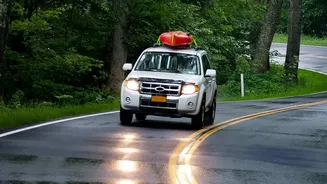
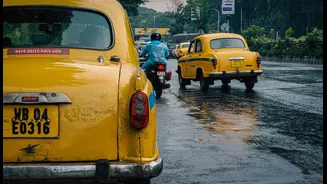
Monsoon weather is unpredictable, and its impact on transport can be immediate. A road that was clear yesterday might be waterlogged or blocked today. Before finalising your day's itinerary, do a quick check on your planned route and mode of transport. If you are driving, be aware that roads can be slippery, and visibility may be poor. It’s safer to stick to main highways and avoid unknown shortcuts suggested by maps, especially in hilly areas. If you're relying on public transport, check for delays or cancellations, as trains and flights can be affected by severe weather. A quick call to a local taxi service or a look at a transport authority's website can save you hours of waiting and frustration, allowing you to adapt your plans smoothly.