




Understanding the 'Danger Zone'
The core principle of cooling food safely revolves around avoiding the “temperature danger zone.” According to food safety agencies like the U.S. Food and Drug Administration (FDA), this is the range between 41°F and 135°F (5°C and 57°C). Within this range,
harmful bacteria such as Salmonella, E. coli, and Listeria can multiply at an alarming rate, sometimes doubling in number in as little as 20 minutes. The longer your food remains in this zone, the higher the risk of it becoming unsafe to eat. While cooking kills most bacteria, cooling food too slowly allows any remaining spores to reactivate and multiply. The goal is to move food through this danger zone as quickly as possible.
The Problem with Large, Hot Pots
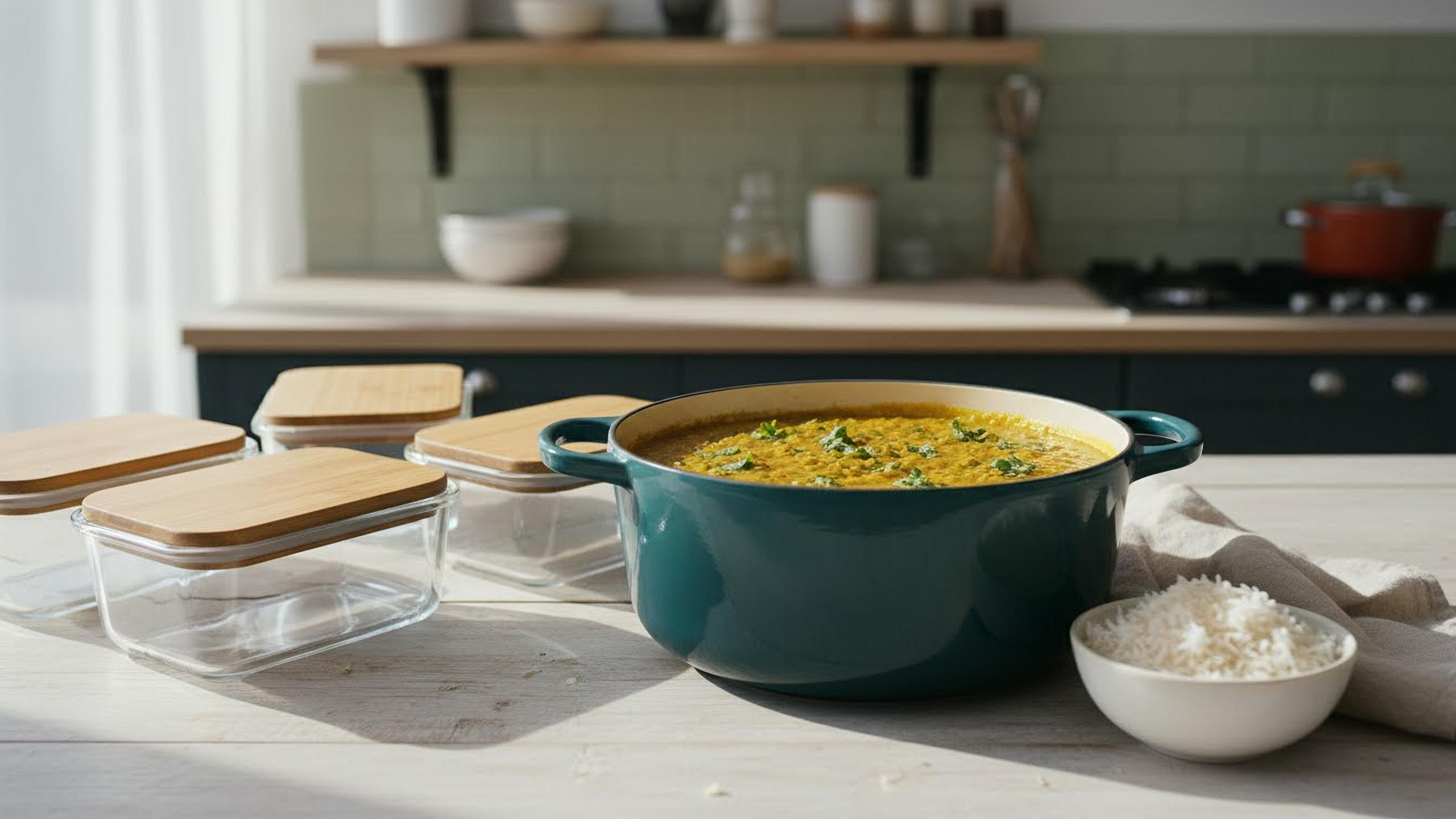
A large, deep pot filled with hot food is its own worst enemy when it comes to cooling. The sheer volume acts as an insulator, trapping heat at the center. Placing a large, hot pot directly into the refrigerator is not only ineffective but also dangerous. It will not cool the food at its core fast enough to prevent bacterial growth. Furthermore, the heat radiating from the pot can raise the ambient temperature of your refrigerator, putting other stored foods at risk by warming them into the danger zone. This is why simply transferring the pot from the stove to the fridge is a common and risky mistake.
The Two-Stage Cooling Method
Professional kitchens and food safety experts recommend a two-stage cooling process to ensure food passes through the danger zone swiftly. The FDA guidelines state that food must be cooled from 135°F to 70°F (57°C to 21°C) within two hours. This first stage is the most critical because this temperature range is where bacteria grow most rapidly. After that, you have an additional four hours to cool the food from 70°F down to 41°F (5°C) or lower. The total cooling time should never exceed six hours.
Best Practices for Rapid Cooling
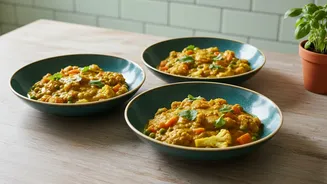
To meet these time targets, you must cool food actively, not passively. First, divide and conquer. Break down the contents of a large pot into smaller portions and place them in shallow containers. A food depth of two inches or less is ideal as it dramatically increases the surface area, allowing heat to escape much faster. For soups, stews, and other liquids, an ice bath is highly effective. Place your smaller containers or the original pot into a clean sink or a larger basin filled with ice and water. Stirring the food during this process will help release heat from the center and accelerate cooling. Another professional trick is to add ice directly as an ingredient if the recipe allows, or use a frozen cooling paddle to stir the contents.
Containers: Covered or Uncovered?
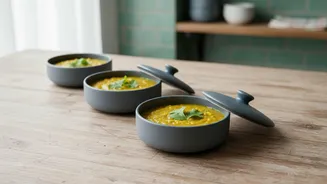
The question of whether to cover a container while it cools is a crucial one. During the initial cooling phase, it is best to leave the container loosely covered or uncovered, provided it is protected from overhead contamination. This allows heat and steam to escape, which is vital for rapid cooling. A tight-fitting lid will trap heat and condensation, slowing down the process. Once the food has cooled to at least 70°F and is ready for the refrigerator, you should cover it tightly. This prevents the food from absorbing odors and protects it from cross-contamination inside the fridge. When choosing containers, opt for materials that transfer heat well, like metal or glass, over plastic.