



The first glimpse of a high-altitude lake is pure magic. But while a day trip offers a snapshot, the full story unfolds when you trek from one pristine lake to another, discovering the connected world that lies between them.
The Allure of the Single Stop
A day trip to a famous alpine
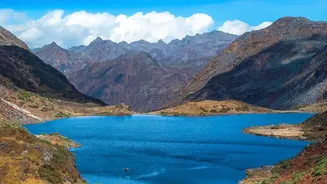
lake like Bhrigu or Chandratal is an incredible experience. You witness the stunning contrast of turquoise water against rugged Himalayan peaks. For many, this is the quintessential mountain adventure: a challenging walk rewarded with an unforgettable view. These trips are accessible, require minimal planning, and deliver that perfect, shareable moment. However, they only offer a brief glimpse into a much larger, interconnected ecosystem. The journey is often rushed, focused solely on reaching the destination and returning before dusk, leaving little time to absorb the environment.
Beyond the Destination: The Journey's Reward
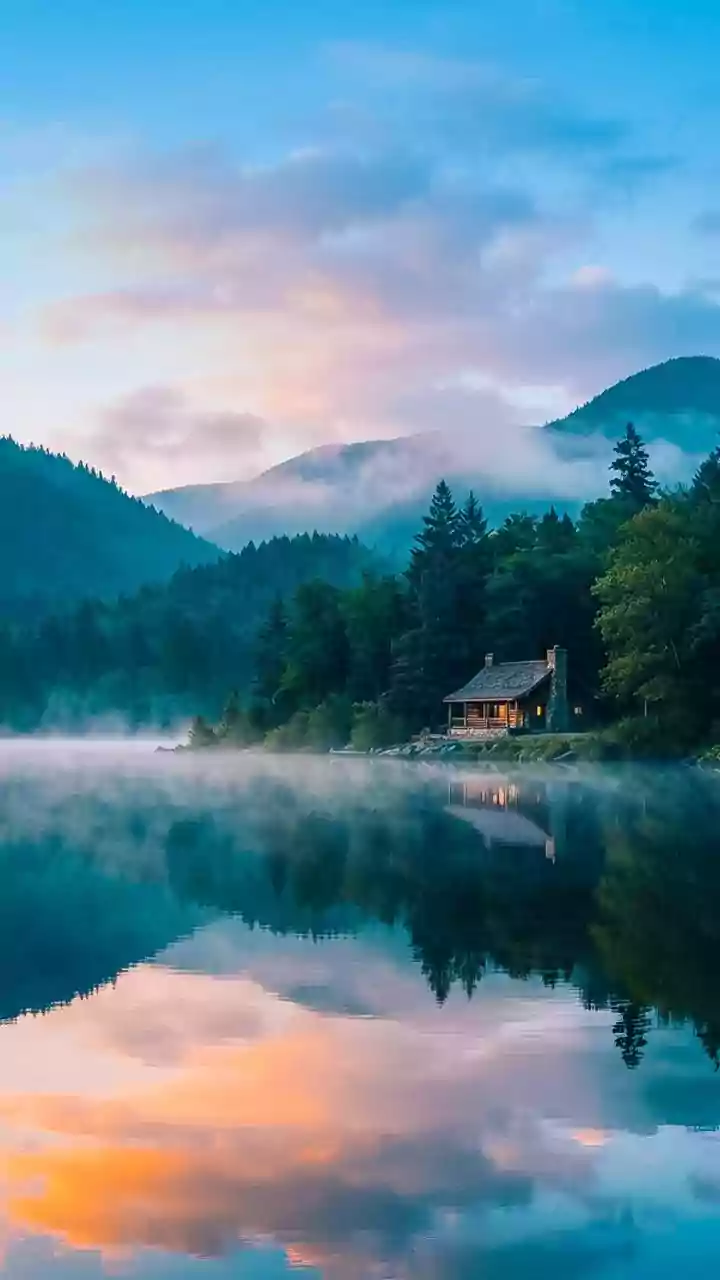
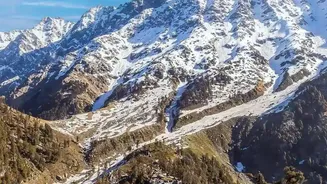
A multi-day trek that connects several alpine lakes transforms the experience from a destination-focused hike into an immersive journey. The real magic isn't just in seeing more lakes; it's in what you discover along the trails that link them. While a day hike is a quick visit, a trek is a slow, unfolding story. Each day brings a new landscape, a different perspective, and a deeper connection to the mountains. You begin to notice the subtle shifts in vegetation as you climb, the unique character of each valley, and the way the light changes over the peaks from dawn to dusk. Treks spanning several days offer a sense of accomplishment that a shorter hike can't match.
A Symphony of Changing Landscapes
One of the most compelling reasons to explore multiple lakes is the sheer variety. On a trek like the Kashmir Great Lakes, no two days are the same. You might start by the deep blue waters of Vishansar Lake, cross a high pass, and descend to the twin lakes of Krishansar. The next day could lead you through vibrant meadows to the more remote Gadsar or Satsar lakes, each with its own distinct colour and setting. This journey showcases a complete alpine world—from lush grasslands dotted with wildflowers to barren, rocky moraine fields. This diversity is lost in a single-day trip, which can only ever present one chapter of the story.
The Practical Advantage of Acclimatisation
From a practical standpoint, multi-day treks are often safer and more enjoyable. High-altitude environments demand that your body has time to adjust to the thinner air. A rushed day trip can increase the risk of altitude sickness. Multi-day itineraries are specifically designed for gradual ascent, with camping spots and daily distances planned to help your body acclimatise properly. This slower pace not only reduces health risks but also enhances your enjoyment. Instead of battling a headache, you can fully appreciate the crisp mountain air and the stunning panoramas unfolding around you.
Planning Your Lake-Hopping Adventure
Embarking on a multi-lake trek requires more planning than a day hike but is incredibly rewarding. Treks like the Kashmir Great Lakes, Satopanth Tal in Uttarakhand, or even quieter routes in Himachal Pradesh are well-established. Most of these routes are best tackled between July and September when the weather is favourable and the passes are clear. Due to the remote terrain, it is highly recommended to go with an experienced guide or a reputable trekking company. They handle logistics like permits, camping gear, and food, allowing you to focus on the walking and the spectacular scenery.