







The Legend of the Ghost Pepper
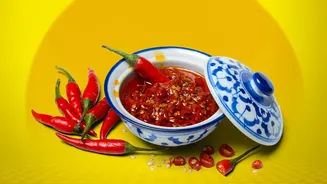
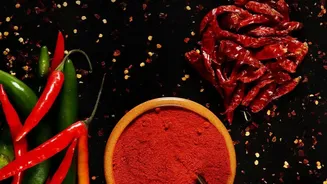
Native to the Northeast Indian states of Assam, Nagaland, and Manipur, the Bhut Jolokia is anything but an ordinary chilli. Known also as Naga Jolokia or Raja Mirchi (King Chilli), it was once certified by Guinness World Records as the world's hottest.
With a Scoville Heat Unit (SHU) rating of over one million, it's more than 400 times hotter than Tabasco sauce. But its appeal isn't just about raw power. The Bhut Jolokia has a distinctively smoky and almost fruity flavour profile that sets it apart. Traditionally, it has been a staple in regional households, used to make fiery pickles, flavour curries, and even as a folk remedy for ailments like gastritis. Its role was deeply embedded in the culinary and cultural fabric of the Northeast, used in everything from chutneys to smoking out wild elephants.
From Regional Staple to Urban Sensation
For years, the formidable reputation of the Bhut Jolokia kept it largely within its native region. However, a nationwide culinary shift is changing that. Urban diners are increasingly curious about authentic, regional Indian flavours, moving beyond generic curries. This growing appetite for authenticity has encouraged chefs to explore the country's vast pantry of indigenous ingredients. The Bhut Jolokia, with its compelling story and intense character, was a natural candidate for this rediscovery. Entrepreneurs and chefs, many with roots in the Northeast, are now championing these ingredients, creating pop-ups and innovative menus that introduce them to a wider audience in cities like Delhi and Mumbai. They are not just replicating traditional recipes but reinterpreting them for a modern palate.
How Cafés Are Taming the Flame
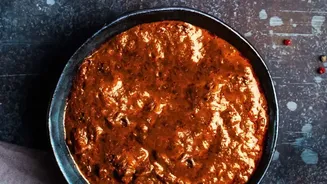
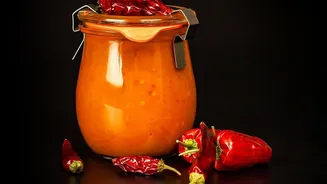
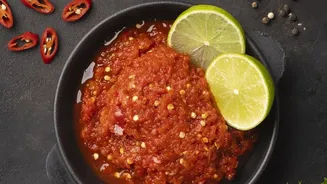
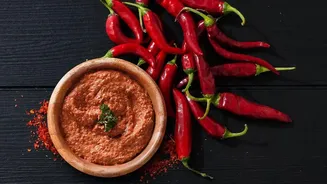
The key to the Bhut Jolokia's success in urban cafes is creative application. Rather than using it whole, chefs are crafting condiments that capture its unique flavour while managing its intense heat. Think Bhut Jolokia-infused mayonnaise slathered on burgers, fiery dips served with fries, or punchy sauces drizzled over momos. These condiments add a powerful kick and a smoky depth that elevates familiar comfort foods. Some cafes are getting even more adventurous, incorporating the chilli into everything from chicken steaks to cheese. The goal is not to create an unbearable eating challenge but to introduce a complex, thrilling new flavour. By blending the chilli into oils, sauces, and spice rubs, chefs can control the heat, allowing the pepper's distinct taste to shine through without overwhelming the dish.
More Than Just Heat
The rise of Bhut Jolokia condiments is part of a larger, more significant movement in Indian food: the celebration of hyperlocal ingredients. Diners are no longer just interested in the dish itself, but also in its story, its origin, and its cultural significance. Ingredients like the ghost pepper, once confined to specific geographies, are now travelling far beyond their origins, connecting consumers to the rich biodiversity and culinary heritage of regions like Northeast India. This trend reflects a growing cultural confidence and a desire for dining experiences that are both authentic and innovative. It’s a shift away from imported, trendy ingredients and a turn towards the incredible, often-overlooked flavours found within India itself. As chefs continue to experiment, the Bhut Jolokia is proving to be much more than a novelty; it is a symbol of a culinary renaissance that honours tradition while eagerly embracing the new.