




A Return to Natural Rhythms
For years, the goal for event decor was getting any flower, at any time. This often meant relying on imported blooms with a heavy carbon footprint and a short vase life. Now, a growing consciousness around sustainability is changing the conversation.
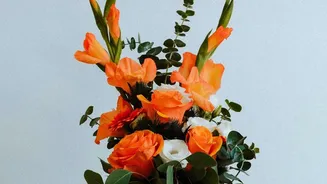
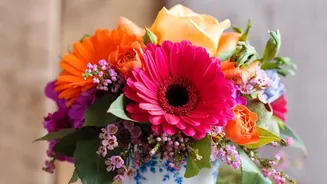
Choosing flowers that are naturally in season and locally grown is becoming a priority. This shift is driven by a desire for authenticity and environmental responsibility. Local flowers require less transportation, less artificial cultivation, and arrive fresher, meaning decorations look more vibrant and last longer. It’s a move that not only supports local farmers but also reconnects celebrations to India's own rich and diverse climate.
The Benefits of Blooming Seasonally
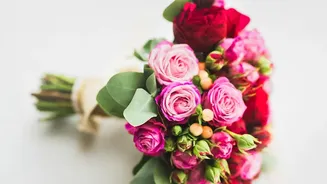
Opting for seasonal flowers is a win-win for everyone. Financially, locally sourced flowers are significantly more budget-friendly than imported alternatives that come with costs for air freight and refrigerated storage. Aesthetically, seasonal flowers are simply better. Grown in their natural climate, they develop stronger stems, richer colours, and greater fragrance. A winter rose from a local farm will be more robust and fragrant than one forced to grow in a hothouse during peak summer. Furthermore, this approach reduces waste and the reliance on pesticides, making it an eco-conscious choice that aligns with modern values.
Your Seasonal Flower Guide for India
India's diverse climate means something beautiful is always in bloom. Planning becomes easier when you know what to expect. Winter (November - February): This is the peak season for flowers in India, offering the widest variety. Expect an abundance of high-quality roses, elegant lilies, long-lasting carnations, and chrysanthemums. Summer (March - June): The heat brings out hardy, fragrant blooms. This is the time for the intoxicating scents of jasmine (mogra) and tuberose (rajnigandha), both staples of traditional decor. Bright sunflowers and hibiscus also thrive in the summer heat. Monsoon (July - September): The rains bring lushness and a new palette of flowers. Look for lilies, more roses, and the return of marigolds and tuberose. Orchids also do well in the humid weather. Autumn & Festive Season (October - November): As the weather cools, festival favourites take centre stage. Marigolds (genda) are the undeniable king of this season, essential for Dussehra and Diwali celebrations. Chrysanthemums and early-season roses are also widely available.
Planning Your Seasonal Celebration
Embracing this trend doesn't mean sacrificing a grand vision; it means refining it. When talking to your decorator or florist, start by asking what’s fresh and local rather than presenting a fixed list of imported flowers. Be open to their suggestions; they are the experts on what will look best. Using marigolds, jasmine, and local rose varieties can create stunningly abundant and traditional backdrops and garlands. You might discover that a design based on seasonal availability is not only more unique and vibrant but also allows your budget to go further, achieving a look of luxury and abundance that is rooted in Indian soil.