







Why Go Natural for Pest Control?
Choosing natural pest control methods is about more than just killing bugs. It's about fostering a healthier ecosystem in your own backyard. Chemical pesticides can be indiscriminate, harming beneficial insects like bees and ladybugs, which are vital
for pollination and natural pest management. These chemicals can also pose risks to pets and family members who enjoy the garden. By opting for gentler solutions like neem oil and soapy water, you target the problem pests while preserving the delicate balance of your garden's environment, ensuring it remains a safe and thriving space for everyone.
Understanding Neem Oil
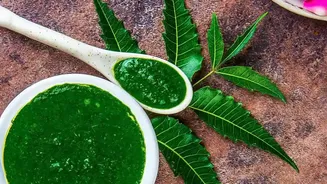
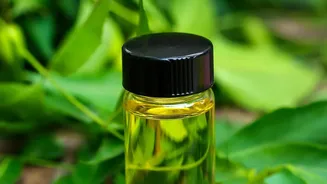
Neem oil is a versatile, natural pesticide extracted from the seeds of the neem tree (Azadirachta indica). Its power comes from a compound called azadirachtin, which works in multiple ways. It functions as an antifeedant, making leaves unpalatable to munching insects. It also disrupts their hormonal systems, interfering with growth and reproduction. For many small, soft-bodied pests, neem oil also works on contact, suffocating them. This multi-pronged attack makes it effective against a wide range of common garden nuisances, including aphids, mites, whiteflies, mealybugs, and even some fungal diseases like powdery mildew.
The Simple Power of Soapy Water
A simple soap and water solution is another excellent weapon in the organic gardener's arsenal. It primarily targets small, soft-bodied insects like aphids, thrips, and spider mites. The soap works by breaking down the insect's protective outer layer, or cuticle, causing dehydration and death. However, not all soaps are created equal. It is best to use true soaps like castile soap or a specially formulated insecticidal soap, as these are made with potassium hydroxide and are less likely to harm plants. Many common dish soaps are actually detergents and contain sodium, which can build up in the soil and potentially burn plant leaves. If using dish soap, ensure it's a mild, biodegradable formula without degreasers or bleach, and use it in a very diluted concentration.
How to Make Your Neem Oil Spray
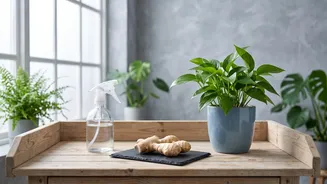
Creating your own neem oil spray is simple. Because oil and water don't mix, you'll need a mild soap to act as an emulsifier. For a basic preventative spray, follow this recipe: - 1 Litre of warm water - 1 Teaspoon of 100% cold-pressed neem oil - 1/2 Teaspoon of mild liquid soap (like castile soap) Combine the soap and warm water in a spray bottle first and shake to dissolve. Then, slowly add the neem oil and shake vigorously. The warm water helps the oil mix more easily. It's crucial to use the mixture within a few hours, as the active compounds in neem oil begin to break down once diluted. Shake the bottle frequently during application to keep the solution from separating.
Best Practices for Application
When and how you spray is just as important as what you spray. Always apply these solutions in the early morning or late evening. Spraying in the midday sun can cause the oil or soap to heat up and burn the plant's leaves. It also helps to avoid spraying when pollinators like bees are most active. Before treating an entire plant, always test your spray on a small section of leaves and wait 24 hours to check for any signs of damage or stress, like yellowing or spotting. When you are ready to spray, ensure you get thorough coverage. Pests love to hide on the undersides of leaves and in the joints of stems, so be sure to coat all surfaces of the plant with a fine mist.
A Note on Plant Sensitivity
While these natural sprays are safe for most plants, some species are more sensitive. Herbs with delicate leaves, such as basil, parsley, and dill, can be prone to burning. Other sensitive plants can include seedlings, ferns, and some succulents. This is why testing on a small area first is a non-negotiable step. If you find a plant reacts poorly to a neem or soap spray, you may need to rely on other methods, like hand-picking pests or using physical barriers like insect netting.