





The Rain-Shadow Advantage
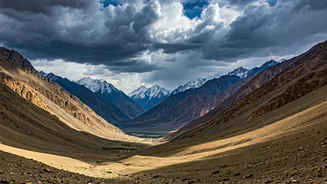
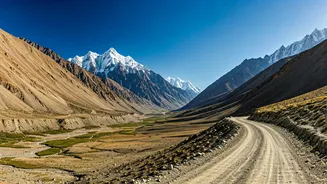
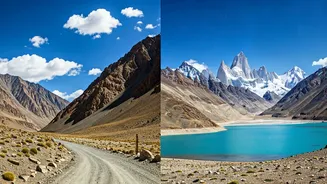
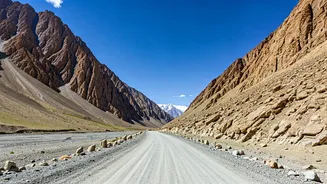
The single most important reason Spiti is perfect for July is its geography. The valley lies in a rain-shadow region, meaning the towering Himalayan ranges to the south block most monsoon clouds from ever reaching it. While other parts of Himachal Pradesh
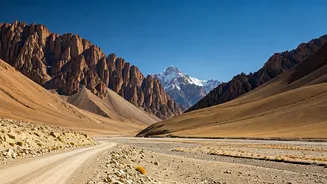
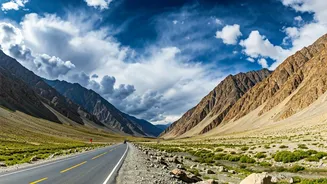
experience heavy downpours and landslides, Spiti remains overwhelmingly dry and sunny. This unique climatic advantage makes it a safe and accessible haven for travellers when other mountain destinations are best avoided. You get to enjoy clear blue skies and dramatic landscapes without the constant worry of being rained out.
Pleasant Weather and Open Roads
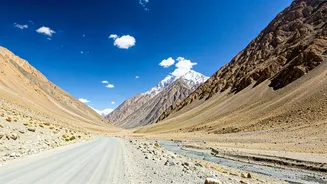
July is when Spiti is in its summer prime. Daytime temperatures are comfortably warm, typically ranging from 15°C to 25°C, making it ideal for sightseeing and outdoor activities. Nights remain cool, so packing layers is essential. Crucially, this is the month when both primary routes to the valley are reliably open. The route from Shimla via Kinnaur is a year-round lifeline, but the more adventurous Manali-Kaza highway, via the iconic Kunzum Pass (4,551 metres), is also fully operational. Mid-to-late July is often considered the sweet spot, as the roads have settled after the winter snow melt, offering smoother passage for a complete circuit trip.
A Surprising Burst of Green
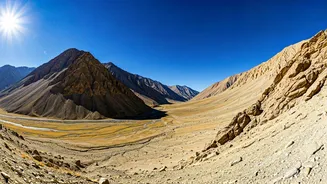
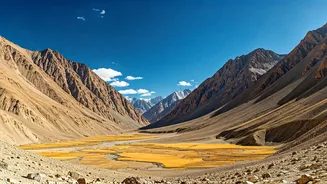
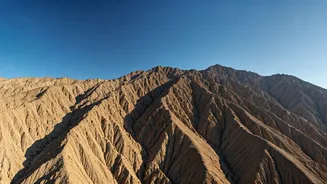
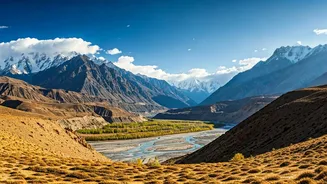
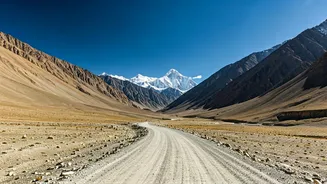
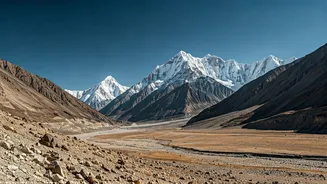
Spiti is famously known as a cold desert, characterized by its barren, brown, and beautiful lunar-like landscapes. However, the short summer season, especially in July, brings a surprising and magical transformation. Meltwater from the glaciers and what little precipitation the valley gets breathes life into the fields. The valleys around the villages turn a vibrant green, and wildflowers bloom in patches, creating a stunning contrast against the rugged brown mountains and deep blue skies. This fleeting greenery is a unique sight, offering a different perspective of the otherwise arid region.
Adventure at its Peak
With favourable weather and accessible terrain, July is the perfect time for adventure enthusiasts. Key treks to high-altitude lakes like the stunning Chandratal (the Moon Lake) and Dhankar Lake are popular excursions. The road to Chandratal is typically open, and campsites around its shores are fully operational, offering a chance to camp under a blanket of stars in the clear night sky. The Pin Valley National Park, home to rare wildlife like the snow leopard and ibex, is also a fantastic place to explore during this time. For thrill-seekers, river rafting on the Spiti River provides an adrenaline rush amidst breathtaking scenery.
Immerse in Vibrant Culture
July is a time of activity and celebration in Spiti. The valley's ancient Buddhist monasteries, perched dramatically on cliffs and hilltops, are a must-visit. Explore the iconic Key Monastery, the serene Tabo Monastery (a UNESCO World Heritage Site), and the sky-high Dhankar Monastery. The pleasant weather allows for unhindered exploration of these spiritual centers. You might also catch a local festival, like the Tsheshu festival, which is celebrated in various monasteries during the summer months with vibrant masked dances performed by lamas. The famous Ladarcha Fair, a historic trade gathering, traditionally took place in July, though some sources now place it in August, so it is wise to check local schedules.
Visit the World's Highest Villages
The clear summer conditions make July the best time to visit Spiti's famed high-altitude villages. A day trip from Kaza can take you to the trifecta of Komic, Hikkim, and Langza. Komic is one of the highest villages in the world connected by a motorable road, offering breathtaking panoramic views and the serene Tangyud Monastery. In Hikkim, you can send a postcard from the world's highest post office, a unique souvenir from your travels. Langza, with its giant Buddha statue overlooking the valley, is known for its rich fossil deposits, a reminder that this land was once under the Tethys Sea.