




The Gut-Brain Superhighway
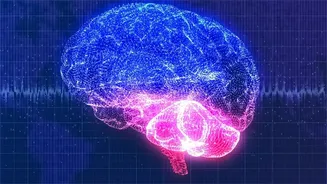
Your gut and brain are in constant conversation through what is known as the gut-brain axis. This isn't just a vague 'gut feeling'; it's a complex network of communication involving the nervous system, hormones, and the immune system. The vagus nerve,
the longest nerve in the body, acts as a direct physical and biochemical link, sending signals in both directions. What happens in your gut—from digestion to inflammation—doesn't stay in your gut. It can send signals that alter your mental state. In fact, the gut is sometimes called the "second brain" because it produces many of the same mood-regulating neurotransmitters as the brain, including an estimated 90% of the body's serotonin.
Probiotics: The Friendly Microbes
Probiotics are live, beneficial bacteria that help maintain a healthy balance in your gut microbiome—the community of trillions of microbes living in your digestive tract. When this community is in balance, it functions optimally. An imbalance, known as dysbiosis, has been linked to increased inflammation and stress responses that can contribute to feelings of anxiety and depression. Certain strains of probiotics, sometimes called 'psychobiotics,' appear to have a positive effect on mental health. They can help produce neuroactive compounds like GABA, which promotes relaxation, and modulate the body's stress response, potentially leading to improved mood and reduced anxiety. Some studies have shown that regular probiotic intake can lead to calmer responses to stressful situations and a reduction in depressive symptoms.
Fermentable Fiber: Fuel for Good Bacteria
If probiotics are the beneficial bacteria, then fermentable fibers—also known as prebiotics—are their food source. These fibers, found in many plant-based foods, resist digestion in the small intestine and travel to the colon, where they are fermented by gut microbes. This fermentation process produces compounds called short-chain fatty acids (SCFAs). SCFAs are incredibly important; they provide energy for the cells lining your colon, strengthen the gut barrier to prevent toxins from leaking into the bloodstream, and reduce inflammation. By signaling the brain, SCFAs can influence cognitive processes and mood. A diet rich in fermentable fiber helps cultivate a diverse and robust gut microbiome, which is associated with better mental health outcomes.
Putting It on Your Plate
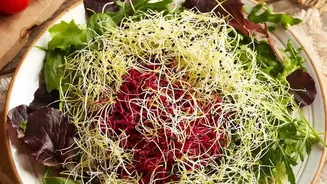
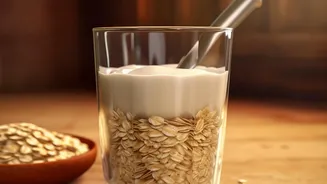
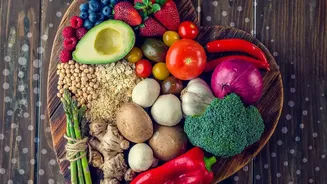
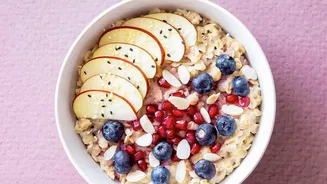
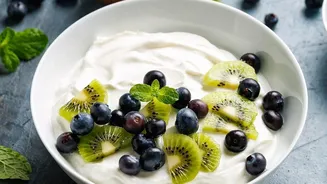
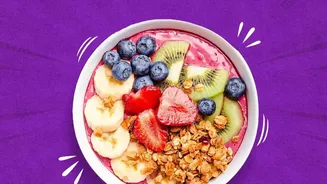
Incorporating these elements into your diet doesn't have to be complicated. For probiotics, look to fermented foods. Yogurt with live active cultures, kefir (a fermented milk drink), sauerkraut, kimchi, and miso are all excellent sources. Aiming for one or two servings a day can contribute to a healthier gut microbiome. For fermentable fiber, focus on a variety of plant foods. Good sources include garlic, onions, leeks, asparagus, bananas, oats, apples, and beans. Essentially, a diet rich in diverse fruits, vegetables, and whole grains naturally provides the prebiotics needed to nourish your gut bacteria.
A Balanced Approach to Mental Wellness
While the science is promising, it's important to view diet as one part of a holistic approach to mental health. Foods rich in probiotics and fiber can be powerful tools, but they are not a substitute for professional medical care for psychiatric conditions. The greatest benefits often come from an overall healthy eating pattern, like a Mediterranean-style diet, which is naturally rich in fiber, healthy fats, and antioxidants that support both gut and brain health. Minimizing processed foods, unnecessary antibiotics, and artificial sweeteners, which can disrupt the microbiome, is also a crucial step. Think of it as creating a supportive internal environment where both your gut and your brain can thrive.