



The Old Flex vs. The New
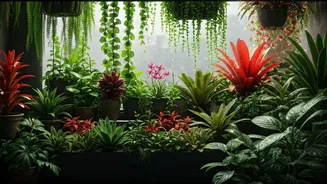
Let’s be honest. For a while there, the plant world felt like a competitive sport. Who could keep the most dramatic Calathea alive? Whose Fiddle Leaf Fig was taller and more magnificent? Social media was flooded with images of urban jungles filled with exotic,
temperamental greenery. The unspoken message was clear: the more effort and anxiety a plant induced, the greater the achievement in keeping it alive. This was the old flex—a testament to your nurturing prowess, measured in wilting leaves you managed to resurrect. But that kind of plant parenting is exhausting. It turns a source of potential joy into another item on your life’s unending checklist of pressures. The new flex is a quiet rebellion against this. It’s the deep, unbothered green of a Snake Plant in a low-light corner. It’s the explosion of colour from a Bougainvillea that thrives on neglect. The real flex isn’t about conquering nature; it’s about collaborating with it. It’s the quiet confidence of a garden that asks for very little but gives you so much in return.
Redefining a 'Green Thumb'
We need to redefine what having a ‘green thumb’ really means. It shouldn’t be about the ability to micromanage a plant’s every need, creating a tiny, artificial ecosystem on your balcony. Instead, a true green thumb is about wisdom—the wisdom to choose the right plant for the right place. It’s about understanding your environment—your light, your climate, your lifestyle—and selecting plants that are naturally suited to it.
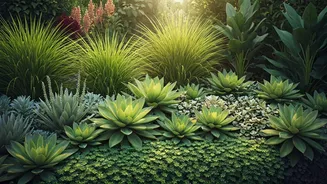
Instead of fighting to keep a moisture-loving fern alive on a hot, dry Delhi balcony, it’s about embracing the hardy beauty of a Jade plant or the architectural elegance of a ZZ plant. These plants aren’t ‘boring’; they’re smart choices. They are resilient, self-sufficient, and forgiving. Creating a space where plants thrive without constant intervention isn't a sign of laziness. It’s a sign of intelligence. You've created a self-sustaining system of beauty, and that’s a far more impressive skill.
The Gift of Time and Peace
Your home, including your garden, should be a sanctuary—a place to decompress, not a source of more stress. When your plants are high-maintenance, they become chores. You worry about them when you’re on vacation. You feel guilty when a leaf turns yellow. The relationship becomes one of obligation, not joy.
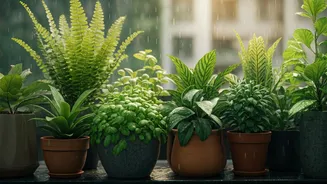
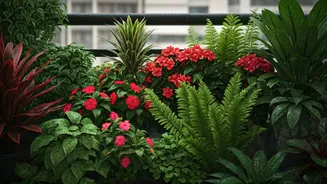
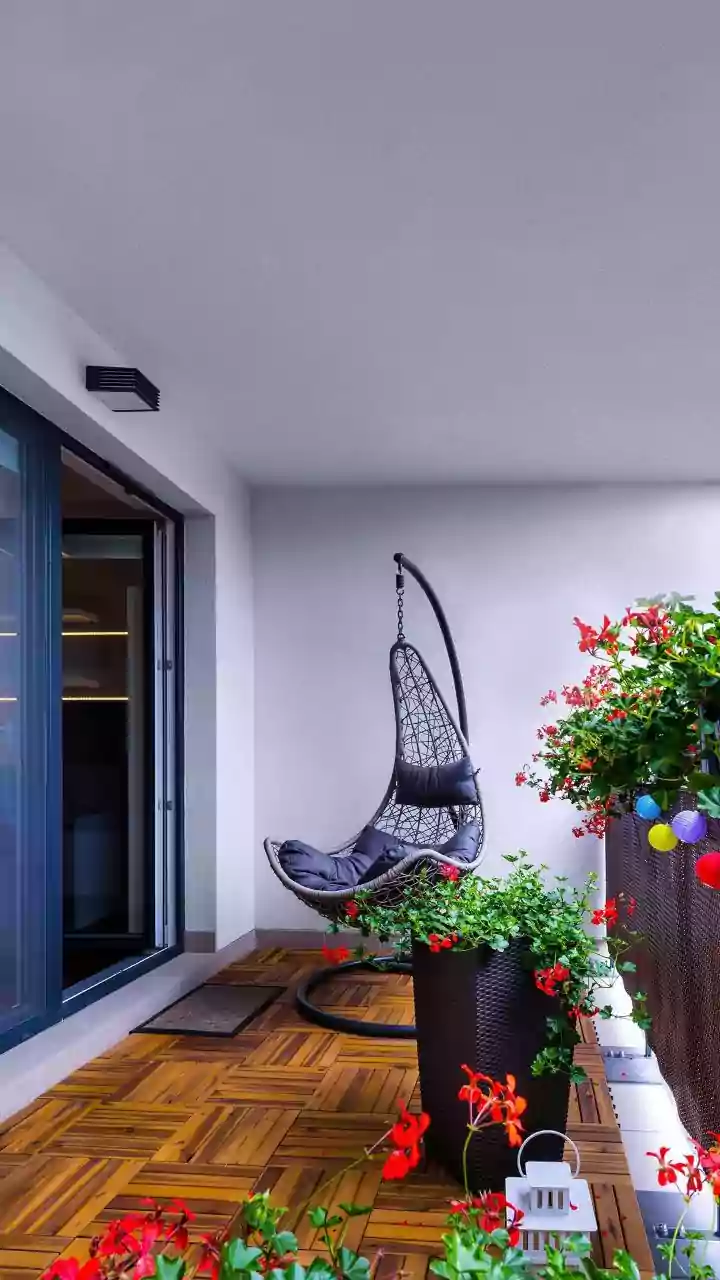
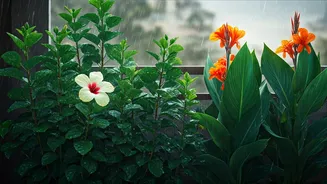
Low-maintenance gardening flips this dynamic. Your garden starts serving you, not the other way around. Imagine a balcony filled with hardy hibiscus and periwinkle (sadabahar) that bloom profusely with just basic care. Or an indoor collection of Pothos and Spider Plants that clean your air and look lush without daily fuss. This approach gives you the greatest gift of all: time. Time to actually sit and enjoy the green space you’ve created, rather than constantly working on it. The mental peace that comes from knowing your plants are happy without your constant attention is the ultimate luxury.
A Smarter, More Sustainable Choice
There’s a powerful ecological argument for the low-maintenance flex, too. Choosing plants that are native or well-adapted to your local climate is an inherently sustainable act. These plants are built for your environment. They typically require less water, a precious resource in many parts of India. They are more resistant to local pests, reducing the need for chemical pesticides that can harm the wider ecosystem.
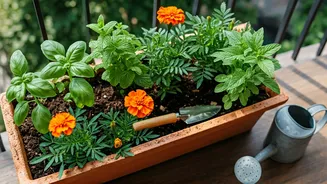
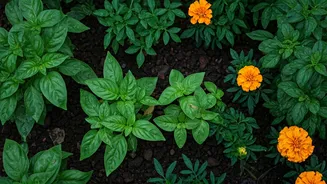
Plants like the humble Marigold (genda), fragrant Jasmine (mogra), or sacred Tulsi aren't just easy to grow; they are part of our cultural and ecological landscape. They thrive because they belong here. By planting them, you are creating a small, supportive hub for local pollinators like bees and butterflies. Your low-maintenance garden becomes a quiet act of environmental stewardship. The flex is no longer just about personal aesthetics; it’s about making a positive contribution, however small, to the world around you.