


Beyond the Feast and Guilt Cycle
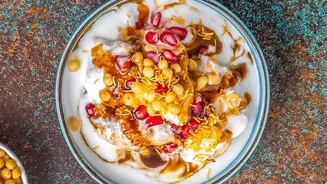
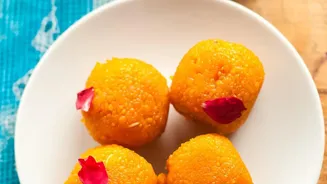
Indian festivals are a vibrant tapestry of tradition, community, and, of course, food. From Diwali's mithai boxes to Holi's gujiyas, celebratory food is the heartbeat of these occasions. For many, however, this period is also marked by a familiar cycle:
overindulgence followed by discomfort, bloating, and guilt. The sudden shift from regular meals to an abundance of rich, fried, and sugary foods can overwhelm the digestive system. But this long-accepted narrative is beginning to change. A growing number of Indians are looking to break free from the all-or-nothing mindset, seeking a way to enjoy the festive spread without compromising their well-being. The goal is no longer about restriction but about finding a mindful balance that allows for celebration without the uncomfortable aftermath.
The Rise of 'Digestive Comfort'
The new buzzword in festive nutrition is "digestive comfort." This isn't about dieting or deprivation. Instead, it’s a holistic approach centered on making conscious choices that support gut health. This means paying attention to how food makes you feel and opting for choices that prevent common issues like acidity and sluggishness. Nutrition experts emphasize practices like mindful eating—savouring each bite slowly to recognise your body's fullness signals. Staying hydrated is another simple but powerful tool, as water aids digestion and can prevent the body from confusing thirst with hunger. The focus is on listening to your body, allowing you to participate in the feasting with joy and awareness.
The Modern Festive Plate
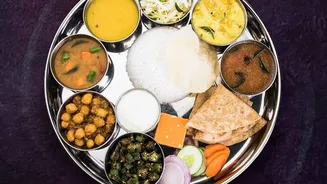
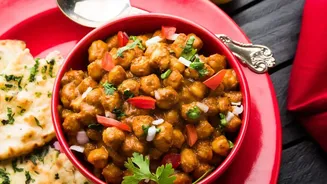
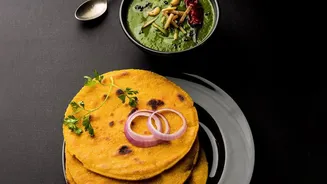
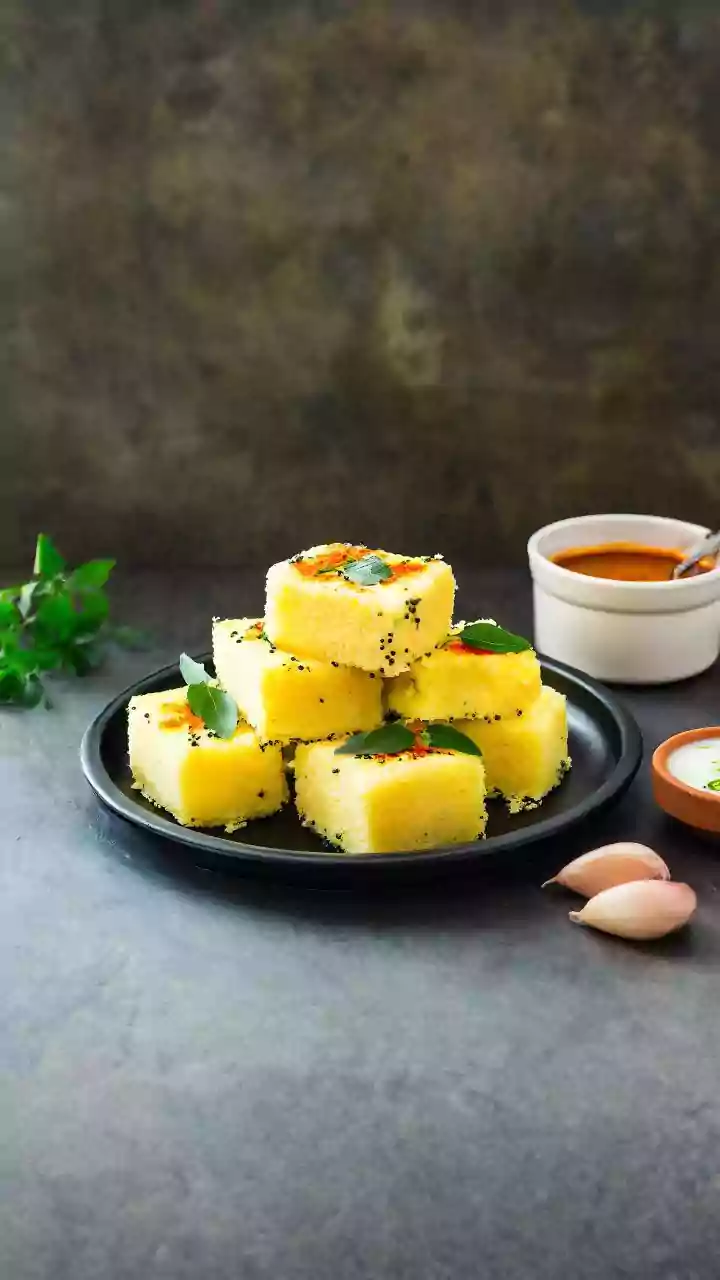
So, what does a plate balanced for digestive comfort look like? Nutritionists suggest a simple 'plate method': filling half with vegetables or salad, a quarter with protein like dal or paneer, and the final quarter with grains. This ensures you get essential fibre and nutrients before moving to richer treats. There is also a significant shift in ingredients and cooking methods. Many are swapping refined sugar for natural sweeteners like jaggery or dates. Deep-frying is being replaced by baking, air-frying, or steaming, which delivers similar tastes with less oil. There's also a renewed appreciation for traditional gut-friendly foods. Incorporating probiotics through staples like dahi (yogurt) and chaas (buttermilk) is becoming a conscious strategy to support the gut's microbiome during festive times.
Why is this Happening Now?
Several factors are driving this evolution in food habits. There is a heightened awareness of health and wellness across India, accelerated by urbanisation and global trends. People are more informed about the long-term effects of diet on health, including issues like diabetes and heart disease. The influence of social media has also played a role, with wellness influencers and nutritionists sharing practical tips for healthier living. Furthermore, this shift isn't about rejecting tradition but rather reinventing it. As one study notes, food customs are not static; they evolve with social and economic changes. Today’s generation is finding ways to honour their cultural heritage while aligning it with modern health knowledge, creating new traditions that are both delicious and nourishing.
Smart Swaps, Not Sacrifices
The key message from experts is to make smart swaps rather than total sacrifices. Portion control is a recurring theme, allowing you to enjoy your favourite mithai without overindulging. Planning is also crucial. Having a light, healthy snack before a big party can curb hunger and prevent you from making impulsive, heavy choices. When faced with a lavish spread, the advice is to prioritise what you truly love instead of trying to sample everything. For those hosting, there is an opportunity to lead the change by offering healthier options alongside traditional ones, like baked snacks, fruit platters, and homemade sweets made with less sugar. This gentle evolution ensures that the festive table remains a place of connection and celebration, but with an added layer of care for oneself and others.