





Why Your Destination's Forecast Isn't Enough
During the monsoon, weather is intensely local and can change in an instant. A sunny forecast for your weekend getaway doesn't account for a sudden, heavy downpour in a district you must pass through. This is the critical flaw in destination-only planning.
The route itself can harbour numerous risks, from submerged highways and new, crater-sized potholes to fallen trees and even landslides, especially in hilly terrain. A two-hour drive can easily become an eight-hour ordeal if a section of the road is unexpectedly flooded. The assumption that a clear endpoint equals a clear path is one of the biggest gambles a driver can take during this season.
Your Pre-Drive Digital Toolkit
Before you even touch your car keys, a few minutes of digital reconnaissance can save you from major trouble. Start with real-time navigation apps like Google Maps or Waze. Use the traffic layer to spot unusual slowdowns, which are often a sign of waterlogging or accidents. Don't stop there. For a more robust picture, consult official sources. The India Meteorological Department (IMD) provides district-level warnings for heavy rainfall. For highway travel, the National Highways Authority of India (NHAI) offers updates through its Rajmargyatra app. Many city and state traffic police departments also post real-time road closures and diversions on social media platforms like X (formerly Twitter). Combining these resources gives you a layered, comprehensive view of your entire route.
Special Precautions for Hilly Routes
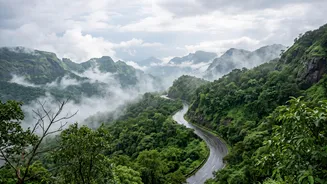
Driving in the ghats during monsoon is a completely different challenge that demands maximum caution. These beautiful, winding roads can become treacherous. Landslides and rockfalls are a constant threat, often happening with little to no warning. When planning a trip to a hill station, look for specific advisories for those regions. Reduce your speed significantly, avoid braking hard on sharp curves, and always maintain a safe distance from the vehicle ahead. Use a lower gear when driving downhill to let engine braking assist you, reducing strain on your brakes. If visibility drops to near-zero due to fog or torrential rain, the safest action is to find a secure spot to pull over and wait for conditions to improve.
Reading the Road in Real Time
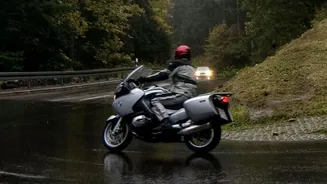
No amount of pre-planning can replace active, defensive driving. Once you are on the road, pay close attention to your surroundings. Avoid driving through large puddles or waterlogged streets if you cannot gauge the depth; hidden potholes or open manholes could cause serious damage. Hydroplaning, where your tyres lose contact with the road surface, is a major risk on wet highways. To avoid it, ensure your speed is reduced, especially during heavy downpours. If your car stalls in a flooded area, do not try to restart the engine. This can cause water to enter the engine, a condition known as hydrostatic lock, which can lead to catastrophic and expensive damage.
Vehicle Readiness Is Route Readiness
Your car must be as prepared as you are. A thorough pre-monsoon check is non-negotiable. Ensure your tyres have adequate tread depth to maintain grip on slippery roads. Worn tyres are a primary cause of skids in the rain. Test your brakes, as wet conditions increase stopping distances. Your wipers must be able to clear the windshield without leaving streaks. Finally, check all your lights—headlights, taillights, and indicators. In low-visibility conditions, being seen by other drivers is just as important as seeing the road ahead.