






Meet the Spice of Life
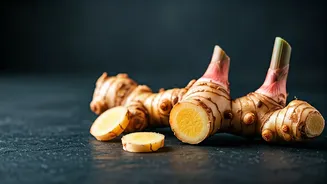
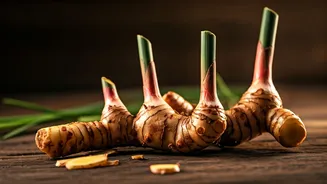
Often called Thai or Siamese ginger, galangal is a rhizome, or underground stem, that belongs to the same family as ginger and turmeric. Native to Southeast Asia, it's a cornerstone ingredient in Thai, Indonesian, and Malaysian cuisines. While it might
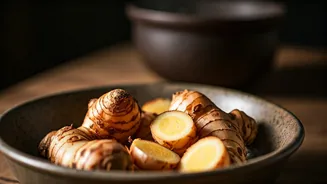
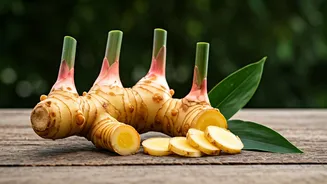
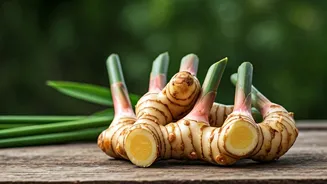
look like its more famous cousin, ginger, galangal is an entirely unique ingredient with a distinct personality. Its skin is smoother, often with a reddish-brown hue, and its flesh is pale and significantly firmer and more fibrous. For centuries, it has been celebrated not just for its flavour but also for its use in traditional Ayurvedic and Chinese medicine. In many parts of Asia, its importance in cooking and wellness has earned it the nickname “the spice of life.”
Galangal vs. Ginger: What’s the Real Difference?
This is the most common question, and the answer lies in the flavour. While ginger offers a pungent, spicy, and slightly sweet warmth, galangal is a different story altogether. Its flavour profile is much sharper, with bright citrusy and pine-like notes, followed by a peppery, earthy heat. Think of ginger as warm and comforting, while galangal is zesty and bold. The texture is another key difference; fresh galangal is woody and tough, which means it can't simply be grated like ginger. It needs to be thinly sliced or pounded into a paste to release its potent aromatic oils. Substituting one for the other is not recommended, as it will fundamentally change the taste of a dish.
Unlocking That ‘Layered’ Flavour
So, what does it mean to add a “layered” taste to your cooking? Galangal achieves this by introducing a complex spectrum of flavours that evolve on the palate. The initial taste is a bright, almost floral citrusy tang, which cuts through rich and heavy ingredients. This is followed by a sharp, peppery kick that provides a pleasant warmth without the overwhelming spice of chillies. Finally, it leaves a clean, earthy, and almost pine-like aftertaste that lingers, adding depth and intrigue. This ability to be simultaneously citrusy, peppery, and earthy is what makes galangal a master of complexity, elevating a simple broth or curry into something much more memorable.
How to Bring Galangal into Your Kitchen
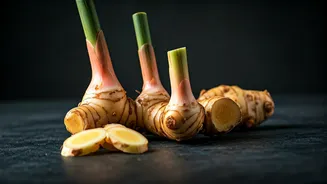
Using galangal is easier than you think. It's available fresh, dried, or as a powder in many Asian markets and increasingly in larger grocery stores and online in India. Fresh is always best for a vibrant flavour. To prepare fresh galangal, you'll need a sharp knife to peel its tough skin. From there, you have a few options. You can thinly slice it and add it to soups and broths, like the famous Thai Tom Yum soup, remembering to remove the woody pieces before serving. For curries and marinades, pounding the sliced galangal in a mortar and pestle (or finely chopping it) to make a paste is the best way to incorporate its flavour fully into the dish. If you buy fresh, you can freeze any leftovers for months.
Simple Swaps for Everyday Indian Meals
You don’t need to cook elaborate Southeast Asian meals to enjoy galangal. It can seamlessly integrate into everyday Indian cooking. Try adding a few thin slices to your next dal tadka along with ginger for an unexpected citrusy brightness. Pound it with garlic, green chillies, and other spices to create a fragrant marinade for grilled chicken, paneer, or fish; its robust flavour stands up well and is especially good with seafood. You can also grate a small amount into vegetable stir-fries or add a slice to your pot of basmati rice as it cooks, infusing it with a subtle, exotic aroma. Even a simple coconut-based vegetable stew can be transformed with a hint of galangal.
More Than Just Taste
Beyond its culinary prowess, galangal is packed with health benefits. It is a rich source of antioxidants, particularly polyphenols, which help protect your cells from damage. Traditional medicine has long used it to aid digestion, reduce inflammation, and even soothe respiratory issues like coughs and colds. Some studies have explored its potential anti-inflammatory properties, suggesting it may help with pain relief. While it's a flavourful ingredient first and foremost, these wellness advantages make it an even more attractive addition to your diet.