

The Science of Calm
The calming effect of wood is not just a feeling; it is a principle of biophilic design, which focuses on our innate human need to connect with nature. Studies have shown that incorporating natural materials like wood into our interiors can reduce stress,
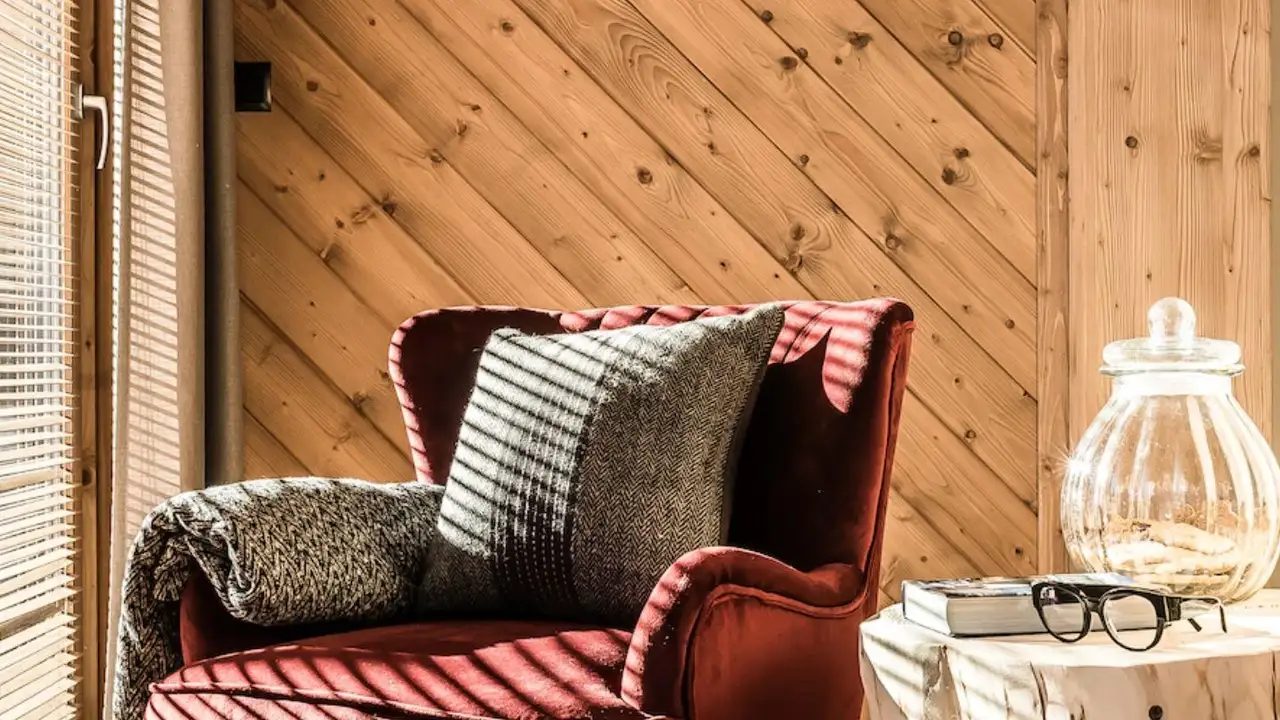
enhance mood, and improve overall well-being. The unique grain, texture, and warmth of wood are inherently soothing, helping to create a tranquil environment that feels like a retreat from the outside world. This connection to nature helps ground us, making a room feel more secure and serene. Even the acoustic properties of wood play a role, as it absorbs sound and reduces ambient noise, contributing to a more peaceful atmosphere.
Start With a Statement
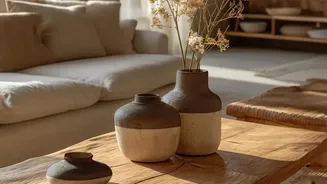
The easiest way to introduce rustic charm is to start with a single, impactful statement piece. This could be a solid reclaimed wood dining table, a live-edge coffee table, or a chunky wooden bed frame that acts as the room's focal point. This anchor piece sets the tone without overwhelming the space. A large piece of rustic furniture immediately adds character and a sense of history, especially if it is made from reclaimed timber. From there, you can build the rest of the room's decor around it, ensuring that other elements complement its natural beauty. This approach allows you to dip your toes into the rustic style without committing to a full-scale redesign.
Embrace Imperfect Textures
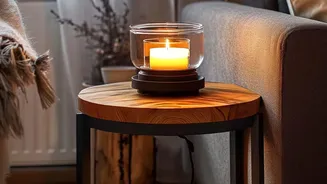
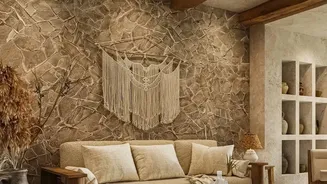
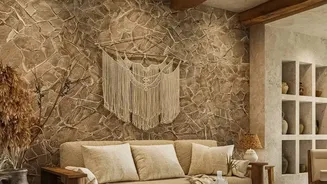
Rustic design celebrates the beauty of imperfection. Look for pieces with character: reclaimed wood with a weathered patina, distressed finishes, or live-edge details that follow the natural contours of the tree. These textures add visual depth and a tactile quality that sleek, modern surfaces often lack. A timber feature wall, even just behind a headboard or sofa, can instantly ground a room and add immense warmth. Don't shy away from knots, grain variations, or the marks of previous use, as these are the details that tell a story and make a piece truly unique.
Find Harmony in Balance
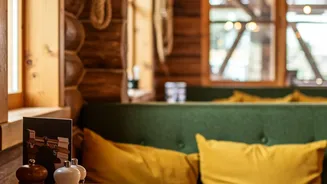
The key to a sophisticated rustic look is balance. Too much wood can make a room feel heavy, like a log cabin. To avoid this, mix wooden elements with a variety of other materials. Pair a rough-hewn table with sleek metal chairs, or place a wooden console on a soft, woven rug. Incorporating materials like stone, glass, linen, and leather creates a layered, dynamic look that feels curated and intentional. Soft furnishings like plush cushions, chunky knit throws, and natural-fibre curtains are essential for adding softness and preventing the space from feeling too hard or cold.
Small Accents, Big Impact
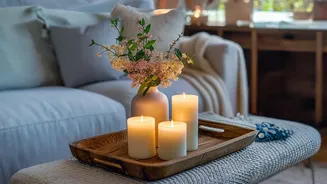
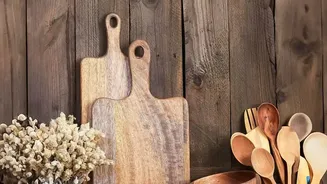
You do not need large furniture to make a rustic impact. Small wooden accents can be just as effective at bringing warmth into a space. Think about wooden picture frames, carved bowls, or a simple wooden tray on an ottoman. Floating shelves made from reclaimed wood can offer both storage and a touch of rustic charm on a bare wall. In the kitchen, consider wooden chopping boards or utensils displayed in a crock. Even a simple wooden ladder leaned against a wall can serve as a stylish and practical place to hang blankets. These smaller touches are easy to incorporate and can be moved around as you refine your style.
Work with a Neutral Palette
A neutral colour scheme provides the perfect backdrop for rustic decor, allowing the natural beauty of the wood to take centre stage. Walls painted in soft whites, beiges, greys, or earthy greens create a calm and harmonious setting that enhances the warmth of wooden furniture and accents. This palette also helps to keep the space feeling light and airy, which is especially important when using darker woods. Pops of colour can be introduced through textiles like pillows and throws, or through carefully chosen artwork, adding personality without disrupting the tranquil atmosphere.