








The Challenge of Studying What We Eat
Much of what we read about nutrition comes from observational studies. These studies track large groups of people over time to find connections between their reported dietary habits and their health outcomes. They are valuable for identifying potential
patterns, but they have major limitations. For one, they often rely on people accurately remembering and reporting what they ate, which is notoriously difficult. More importantly, these studies can show correlation, but not causation. For example, if people who eat a certain food have a higher rate of a disease, is it the food itself, or other lifestyle factors that are common among that group, like exercise levels or smoking? These other factors are called 'confounders', and while researchers try to statistically adjust for them, it's a huge challenge to account for everything.
It's Not Just What, But How You Eat
Emerging research is highlighting a factor that many studies have ignored: eating speed. Numerous studies have found a strong association between eating faster and having a higher body mass index (BMI), increased body fat, and greater waist circumference. A review of 23 studies found that fast eaters may be up to twice as likely to have obesity compared to slower eaters. The mechanism is fairly straightforward: it takes about 20 minutes for your brain to receive fullness signals from your stomach. When you eat quickly, you can easily consume more calories than you need before that signal arrives, leading to weight gain over time. This habit is also linked with a higher risk of metabolic syndrome, insulin resistance, and type 2 diabetes.
Body Composition: A More Accurate Picture
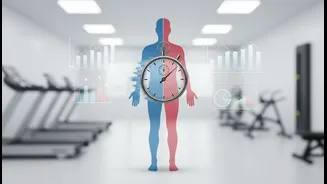
Another complication for nutrition research is its frequent reliance on BMI. While easy to calculate, BMI is a blunt tool that only considers height and weight, and doesn't distinguish between muscle and fat. A person with a 'normal' BMI can have a high percentage of body fat and low muscle mass, a condition sometimes called 'normal weight obesity', which carries health risks. Conversely, a muscular athlete might be classified as 'overweight' by their BMI. Body composition, which measures the percentages of fat, muscle, and bone, provides a much more accurate picture of metabolic health. Studies show that faster eating is specifically linked to higher levels of visceral fat—the dangerous fat stored around internal organs—which is a better predictor of disease than BMI alone.
A New Layer of Complexity
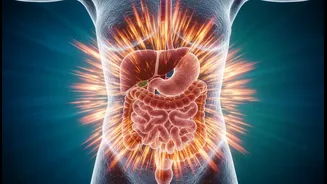
The findings on eating speed and body composition add another layer of complexity to the already difficult field of observational nutrition science. If how fast a person eats significantly influences their weight and metabolic health, it becomes another powerful confounding variable that studies need to account for. Two people could report eating the exact same diet, but if one eats slowly and the other rushes through meals, their health outcomes could be vastly different. This isn't just a matter of calorie intake; fast eating can impair digestion and the body's ability to absorb nutrients. Failing to measure and control for eating behaviours could distort the findings of studies looking at specific foods or nutrients, making it even harder to isolate what truly matters for our health.