




The Grip of the Algorithm
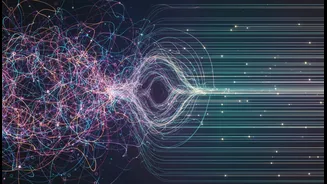
For years, the social media experience has been defined by the algorithm. Platforms like Instagram, Facebook, and TikTok use complex systems to decide what you see, with the primary goal of keeping you engaged for as long as possible. These algorithms
analyze your likes, shares, and viewing habits to build a predictive model of your interests. They then serve you an endless stream of content designed to trigger emotional responses and keep you scrolling. The business logic is simple: more engagement means more ad views and higher revenue. But for users, this can lead to a feeling of being trapped in a feedback loop, seeing only amplified versions of their existing interests and being funneled into digital echo chambers. This curated reality can narrow perspectives and lead to a sense of fatigue and frustration with the repetitive nature of the feed.
The Return of Chronological Control
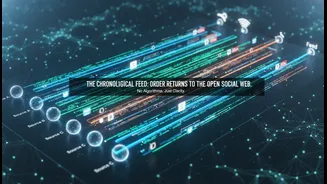
In response to this algorithmic fatigue, a significant trend is emerging: the return to simpler, user-controlled feeds. The concept of an "algorithm-free" feed often means a return to the chronological timeline, where posts appear in the order they were published. While many major platforms have made this an option—Instagram and Facebook now offer a "Following" feed—a new wave of alternative platforms is building their entire experience around user control. Apps like Mastodon, Bluesky, and Vero offer chronological feeds by default, promising a more transparent and less manipulative experience. Even newer, niche platforms like Noplace and PI.FYI are attracting users by explicitly marketing themselves as having no ads and no algorithms, focusing instead on community and authentic sharing. This shift is driven by a clear user demand, with one survey showing that 76% of users want more control over their feeds, favouring customization over algorithm guesswork.
A More Authentic Digital Experience
For those who make the switch, the benefits often extend beyond just a different content order. Users report a decrease in the mental load that comes from a feed optimized for maximum engagement. Without an algorithm pushing emotionally charged or sensational content to the forefront, the experience can feel calmer and more intentional. It allows for the rediscovery of content from friends and smaller creators that might have been hidden by an engagement-focused algorithm. A chronological feed is predictable; you know why you are seeing a post, which fosters a greater sense of trust and control. This move is less about rejecting technology and more about seeking a healthier, more authentic relationship with it, where the user, not the platform, is the primary curator of their own digital space.
The Challenges of an Unfiltered World
However, abandoning the algorithmic gatekeeper isn't without its own set of challenges. Algorithmic feeds, for all their faults, are powerful discovery engines. They help surface new creators and topics you might not otherwise encounter. A purely chronological feed can feel overwhelming—a firehose of information that requires more work to sift through. If you follow many active accounts, important updates can easily get buried. Furthermore, some research suggests that limiting algorithmic personalization might have counterproductive effects, as tailored content can lower the barrier to finding high-quality information. The very reason algorithms were introduced was to manage the sheer volume of content on growing networks. Users who opt out might find they are trading one problem (repetitive loops) for another (information overload).