



Strawberries: The Sweetest Steal
Forget those pale, crunchy strawberries of midwinter. The true strawberry season, which peaks in late spring and early summer, is a different experience entirely. When strawberries are in season, they are picked at their peak ripeness from farms much
closer to home. This abundance means supply is high, driving down the per-pint price significantly. But the real value is in the flavor. A seasonal strawberry is bursting with sweetness and a complex, fragrant aroma that its off-season, travel-weary counterpart simply can’t match. They haven’t spent weeks in refrigerated transit, a process that saps both flavor and texture. For the best value, look for berries that are bright red from top to bottom, with fresh green caps. They’re perfect for eating fresh, slicing over yogurt, or making a quick jam.
Cherries: A Fleeting, Flavorful Treasure
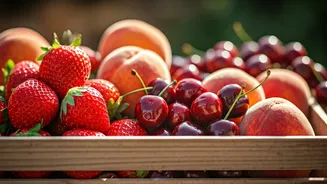
The arrival of fresh cherries is one of summer’s most celebrated events, and for good reason. Their season is notoriously short—just a few glorious weeks—which makes buying them during their peak a smart move. When they flood the market, their price, while still a premium treat, becomes much more reasonable. A seasonal cherry is plump, juicy, and has a perfect balance of sweet and tart notes. Off-season cherries, often imported from the Southern Hemisphere, are significantly more expensive due to air freight costs and can lack the vibrant pop of a freshly picked local gem. Furthermore, studies suggest that nutrients like antioxidants can be higher in produce that hasn't endured long-term storage. So, when you see those ruby-red mounds appear at the market, it’s your cue to indulge.
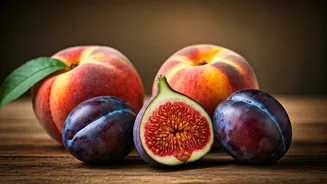
Peaches: The True Taste of Summer
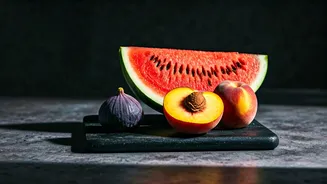
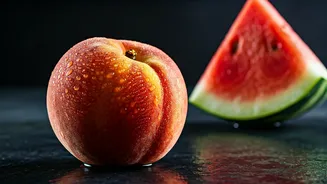
There is nothing quite like biting into a perfectly ripe summer peach, juice dripping down your chin. This iconic experience is only possible during peak season, typically from June through August. Peaches are a climacteric fruit, meaning they continue to ripen after being picked. However, they develop their best sugars and aromas on the tree. Seasonal peaches are often allowed to mature longer before being harvested, resulting in a far superior taste and texture. Off-season peaches, which must be picked while still hard and green to survive long-distance shipping, often result in a mealy, disappointing texture and a bland flavor, no matter how long you let them sit on your counter. During summer, look for local or regional peaches—their lower “food miles” translate to lower costs and peak flavor.
Blueberries: A Nutritional Powerhouse
While blueberries are available year-round thanks to global supply chains, their value proposition skyrockets during their North American peak from June to August. When domestic supply is abundant, the price per pint drops dramatically. This is the perfect time to stock up. Seasonal blueberries are not only cheaper but also taste better—plumper, sweeter, and with a satisfying snap. Because they haven't traveled as far, they retain more of their delicate structure and nutritional integrity. Antioxidant levels, for which blueberries are famous, are best preserved with minimal time between harvest and consumption. For maximum value, buy in bulk during the peak and freeze them on a baking sheet before transferring to a bag. You'll have delicious, affordable blueberries for smoothies and baking all year long.
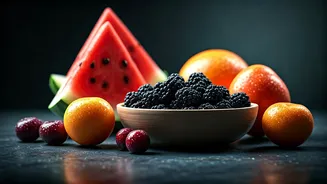
Watermelon: The Ultimate Hydration Value
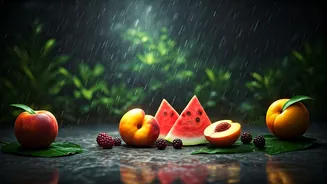
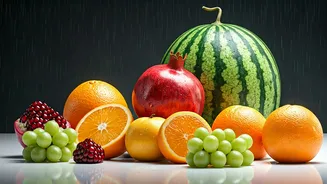
Nothing says summer picnic like a giant watermelon. During the hot months, these melons are grown across the United States, and their sheer size and weight make local sourcing a huge factor in their price. Shipping a 20-pound melon across the country (or an ocean) is expensive, and that cost is passed on to you. When they’re in season locally, however, watermelons offer incredible value. For just a few dollars, you can get a massive fruit that can hydrate and feed a whole crowd. A ripe, in-season watermelon is incredibly sweet, crisp, and packed with water, making it a delicious and healthy way to stay cool. Look for a melon that feels heavy for its size and has a creamy yellow spot on its underside where it rested on the ground to ripen.