







What is Ambali?
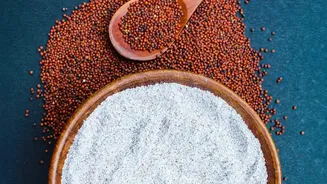
Ambali, also known as Ragi Ambali or Ragi Java, is a traditional beverage primarily from South Indian states like Karnataka, Andhra Pradesh, and Telangana. At its core, it's a porridge-like drink made from finger millet (ragi) flour cooked with water.
What elevates it from a simple gruel to a health tonic is the process of fermentation. After cooking, the ragi mixture is often left to ferment overnight, which imparts a distinctively mild, tangy flavour. Traditionally, it has been the trusted fuel for farmers and laborers, consumed in the morning for sustained energy and its impressive ability to cool the body in sweltering heat. It can be served savoury, mixed with buttermilk, salt, and finely chopped onions, or sweet with a bit of jaggery.
India's Original Probiotic Drink
Long before 'probiotics' and 'gut health' became global wellness buzzwords, Ambali was quietly doing the job. The fermentation process is the key to its modern appeal. This natural transformation encourages the growth of beneficial bacteria, such as Lactobacillus, which are crucial for a healthy digestive system. These live cultures help balance the gut microbiome, improving digestion and nutrient absorption. The fermentation also breaks down phytic acid, an anti-nutrient present in millets that can otherwise hinder the body's ability to absorb essential minerals like iron and zinc. In essence, fermentation unlocks the full nutritional potential of the ragi, making its rich reserves of calcium and fibre more available to the body.
From Rural Staple to Urban Elixir
The journey of Ambali from a rustic staple to a chic cafe offering is a story of cultural rediscovery. As urban Indians increasingly prioritize wellness and seek authenticity, they are looking beyond imported superfoods and turning towards their own culinary heritage. This shift is part of a broader trend where traditional, functional Indian foods are being revived and celebrated. Cafes are capitalizing on this by giving Ambali a modern makeover. It’s now served chilled in stylish glasses, garnished with fresh mint, and sometimes infused with new flavours. This presentation makes it more approachable and visually appealing to a younger, health-conscious audience that values both tradition and trendiness. By placing it on menus alongside global favorites like kombucha and kefir, cafes are positioning Ambali as India's answer to the fermented drink craze.
More Than Just a Health Trend
The revival of Ambali is about more than just its health benefits; it’s a reclamation of cultural identity. For generations, ragi-based foods were seen as humble, rural fare, often overshadowed by rice and wheat. Now, ordering an Ambali at a fashionable cafe has become a statement of pride in local food systems and ancestral wisdom. This trend also makes business sense. For cafes, offering a unique, traditional item helps them stand out in a crowded market. Furthermore, ingredients like ragi are sourced locally, providing a more stable and cost-effective supply chain compared to expensive, imported wellness products. The comeback of Ambali, sattu, and other regional drinks signifies a powerful shift: a return to foods that are wholesome, sustainable, and deeply rooted in Indian culture.