



Something is shifting in India’s urban kitchens. Beyond the usual spices, a new pantry of forgotten flavours is emerging, connecting city cooks and diners to the country’s vast and varied culinary soul like never before.
A Return to the Roots
For years, the story of Indian
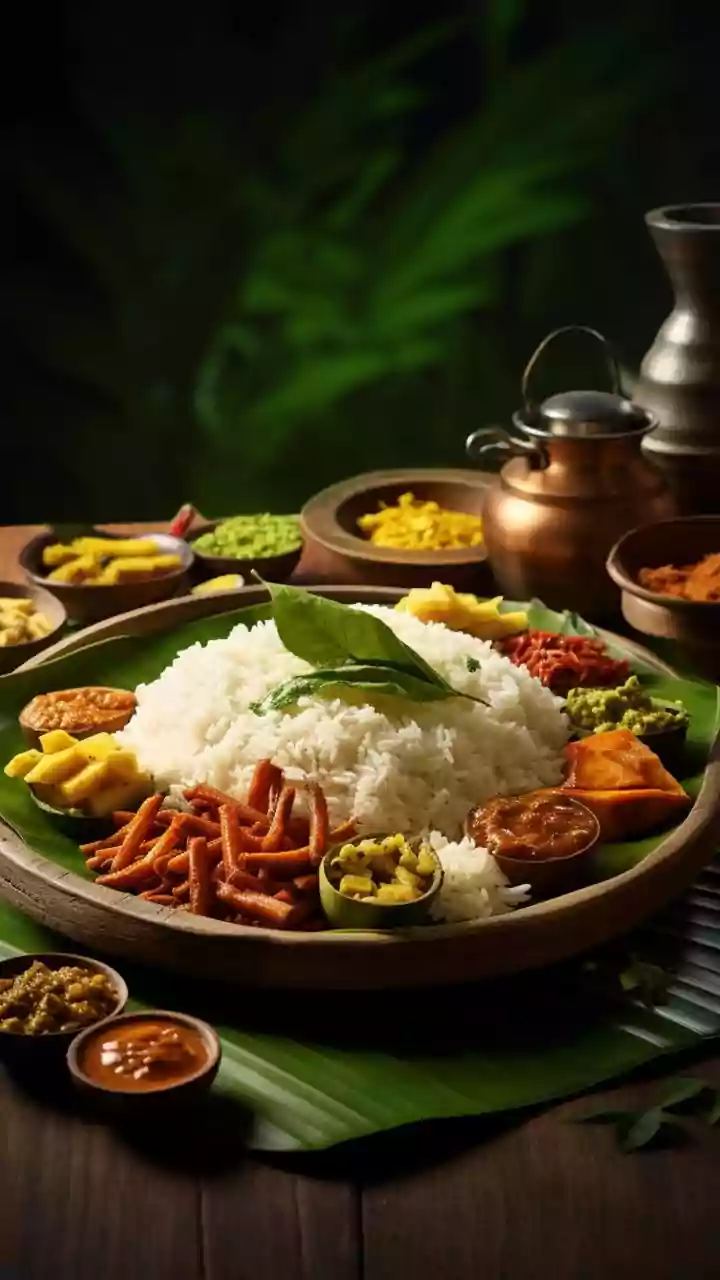
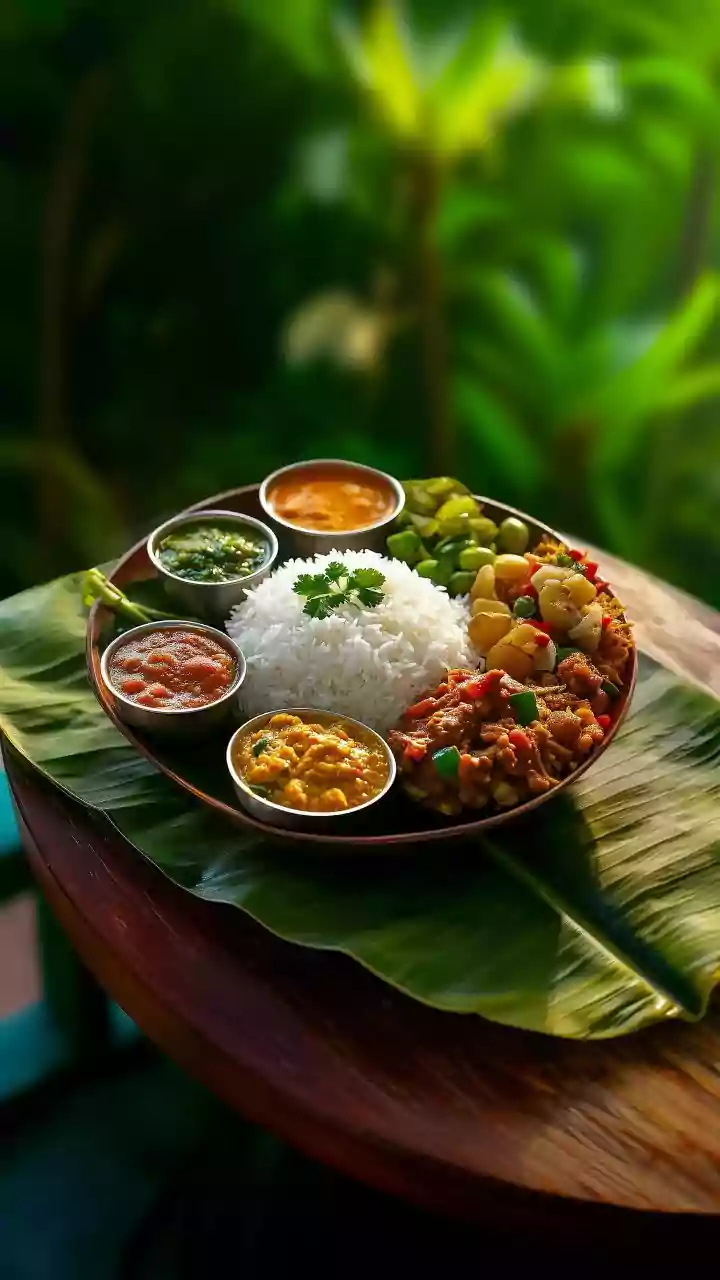
food, especially in cities, was one of simplification. A few dozen dishes came to represent a subcontinent of dizzying diversity. But now, a quiet revolution is taking place. Chefs, home cooks, and food entrepreneurs are looking past generic curries and towards a more authentic, hyper-regional way of eating. This movement isn’t just about nostalgia; it’s a conscious effort to reclaim and celebrate culinary identity. Consumers are increasingly curious about where their food comes from, favouring seasonal produce sourced directly from farmers. This growing awareness has sparked a renaissance, turning the spotlight onto ingredients and recipes that were once confined to specific communities or at risk of being forgotten.
The Stars of the Show
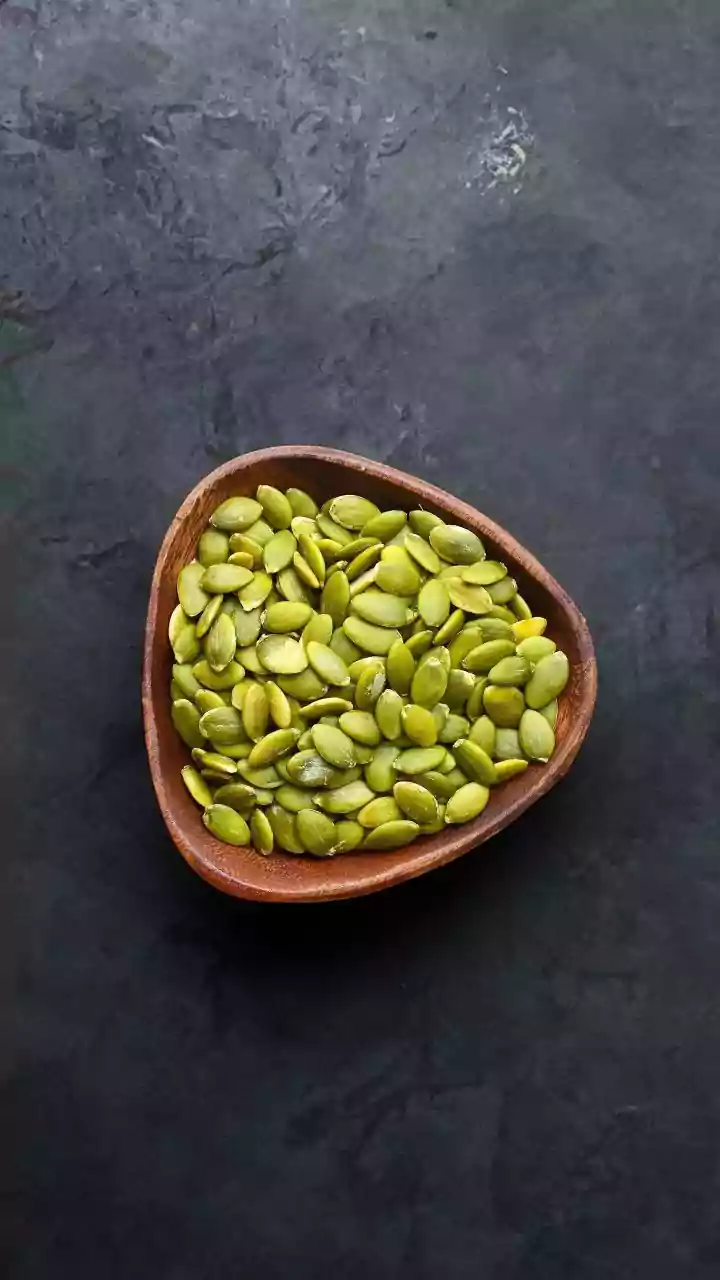
So, what are these ingredients making a comeback? In the hills of Uttarakhand, it is the tiny, nutty seed called jakhiya, which crackles in hot oil to release a pungent, earthy aroma, often replacing cumin or mustard in tempering. From the East, the Gondhoraj lebu, or the 'king of fragrance' lime from Bengal, is prized not for its juice but for its intoxicatingly aromatic rind, capable of elevating a simple dal or a complex curry. From Manipur comes Chak-Hao, the aromatic, nutty black rice, once reserved for royalty and now celebrated for its deep purple hue when cooked and its high antioxidant content. And from Assam, there's khorisa—fermented bamboo shoot—that brings a unique sour and tangy flavour to fish curries and pickles. These are not just ingredients; they are stories of a specific place, climate, and culture.
From Farm to Five-Star Table
This revival is being led by a new generation of chefs who see themselves as culinary archivists as much as cooks. Across metros like Mumbai, Delhi, and Bengaluru, top restaurants are championing these native ingredients. They are transforming them into innovative dishes that surprise and delight modern palates, like using Bandel cheese instead of ricotta or creating sorbets from prickly pear. Chef Thomas Zacharias, founder of The Locavore platform, notes that while regional food has been on menus for a while, there's now deeper research to include hyperlocal produce and their stories, increasing engagement from both chefs and diners. This chef-led demand creates a powerful ripple effect. It's building new supply chains, connecting urban kitchens directly with farmers and small producers in remote areas, ensuring they get a fair price for their unique produce.
More Than Just Food on a Plate
The implications of this trend go far beyond the kitchen. By creating demand for a wider variety of crops, this movement supports agricultural biodiversity, which has been threatened by decades of monocropping. It provides economic support to rural communities and helps preserve traditional farming knowledge. For the urban consumer, it's an opportunity to reconnect with their heritage and discover the true breadth of Indian cuisine. It’s a shift away from a globalised, homogenised palate towards one that is diverse, sustainable, and deeply rooted in Indian soil. This is not just a passing trend; experts describe it as a movement that is fundamentally changing India's gastronomic landscape.