
A New Compass for Indian Travellers
A recently launched report is putting hard numbers to a feeling many travellers have had for a while: the way we plan our holidays is changing. Skyscanner's 'The India Culture Travel Index', unveiled in New Delhi on July 29, 2026, reveals a significant
pivot in Indian travel habits. According to the report, a staggering 67% of Indian travellers are now planning their entire trips around cultural hooks like heritage, festivals, and food. This isn't just about adding a cultural activity to a pre-planned trip. Instead, travellers are reversing the process entirely. They are choosing the experience they want first, and only then selecting the destinations that can provide it. This marks a fundamental move away from destination-first sightseeing towards experience-led exploration.
From Itinerary to Story
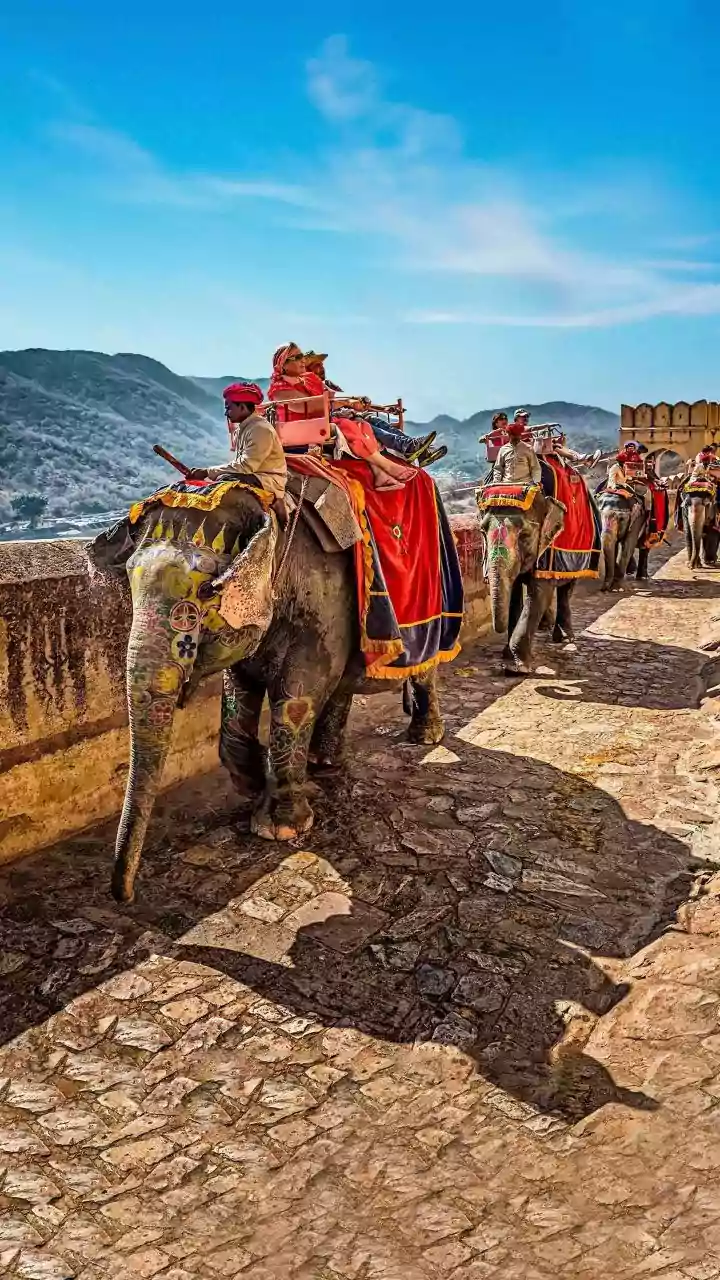
So, what does it mean for culture to be a 'route-building tool'? It means your personal interests are now the architect of your journey. Instead of simply booking a trip to Rajasthan, a traveller today might plan a 'miniature painting trail' that connects specific workshops and galleries in Jaipur, Udaipur, and even smaller towns. A food lover might design a 'coastal seafood route' through Kerala and Goa, linking specific eateries and fishing villages. This approach transforms a simple itinerary into a narrative, where each stop adds another chapter to a personal story. The destination becomes the setting, but the cultural theme is the plot. This method allows for a much deeper and more personal connection with the places visited, turning a vacation into a meaningful quest.
The Rise of Themed Journeys
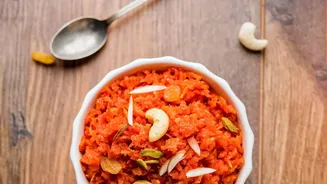
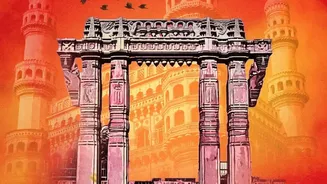
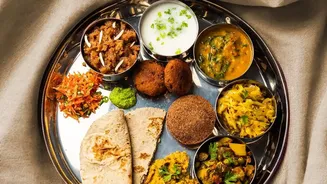
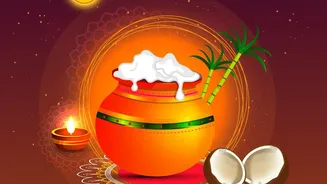
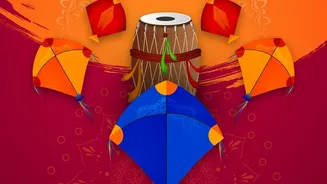
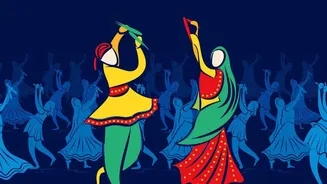
The index highlights several key cultural drivers that are becoming the foundation for these new travel routes. Festival tourism, in particular, is experiencing a massive surge. The report found that 72% of Indians are planning or would consider a trip specifically to attend a major festival. Events like Durga Puja in Kolkata, Ganesh Chaturthi in Mumbai, and Navratri Garba in Gujarat are no longer just local celebrations; they are becoming major travel magnets that form the anchor points of a cultural route. Beyond festivals, culinary and craft trails are also gaining immense popularity, with 41% of travellers citing them as a key influence. Whether it's tracing the journey of a specific textile or tasting regional variations of a single dish, these themes provide a powerful thread to connect multiple locations into one cohesive adventure.
Rediscovering India's Richness
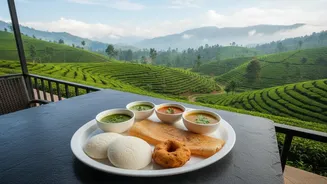
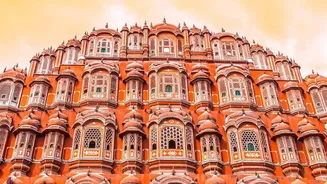
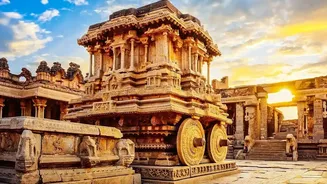
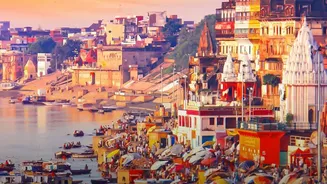
This trend is overwhelmingly focused on discovering the diversity within India itself. The index revealed that 84% of Indians prefer to travel domestically to explore the country's culture. This inward-looking curiosity is not just limited to major cities. One of the most exciting findings is that one in four travellers are now heading to Tier 2 and Tier 3 towns for authentic cultural experiences, moving beyond the traditional metro circuit. This shift is shining a spotlight on lesser-known destinations and traditions. Travellers are increasingly drawn to exploring the architectural marvels of Uttarakhand, the living traditions of Kerala, and the historic communities of Rajasthan, proving that the desire for cultural immersion is leading to a more distributed and sustainable form of tourism across the country.
The Modern Cultural Traveller
This evolving landscape is shaped by a new kind of tourist. The modern cultural traveller is driven by curiosity and a desire for authenticity. They seek to connect with a place, not just see it. Influenced by social media and online content, which the report identifies as a major driver for 42% of travellers, they are more informed and have a clearer idea of the experiences they want. They see travel as an investment in personal growth and well-being. This isn't about ticking landmarks off a list; it's about collecting stories, learning a new perspective, and engaging with a community. It is a more intentional and rewarding way to see the world, or in this case, to rediscover the incredible richness of one's own country.