



What is the ‘No PUC, No Fuel’ Rule?
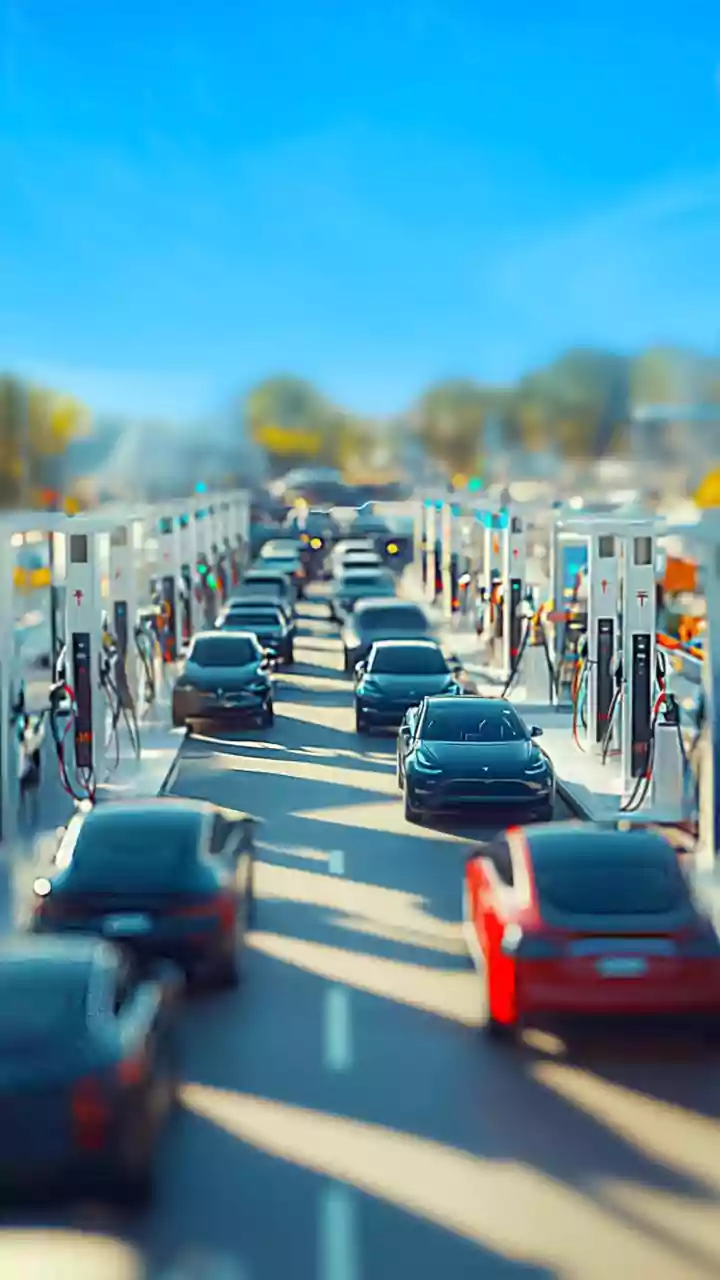
As part of its annual Winter Action Plan to combat air pollution, the Commission for Air Quality Management (CAQM) has enforced the 'No PUC, No Fuel' rule across Delhi-NCR, effective October 1, 2026. This means fuel stations are legally required to deny
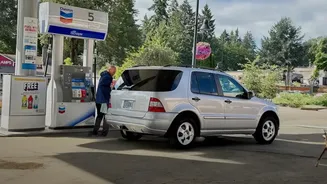
petrol, diesel, and CNG to any vehicle that does not have a valid and updated PUC certificate. The rule, which was previously in place in Delhi, has now been expanded and intensified to cover NCR districts in Haryana and Uttar Pradesh. The aim is to ensure that only vehicles complying with emission norms are on the road, thereby reducing a major source of winter smog. Fuel stations are being equipped with Automatic Number Plate Recognition (ANPR) cameras that check a vehicle's registration number against a central database in real-time. Where cameras are not yet installed, pump attendants will manually verify the PUC status.
Why Was This Rule Implemented?
Vehicular emissions are a primary contributor to the hazardous air quality that plagues Delhi-NCR each winter. The 'No PUC, No Fuel' mandate is a pre-emptive enforcement measure designed to take high-polluting vehicles off the road before the pollution season peaks. Rather than relying solely on random roadside checks, which can be sporadic, this policy makes compliance a daily necessity for every driver. By linking refueling directly to emission compliance, authorities aim to create a powerful incentive for regular vehicle maintenance and timely PUC renewals. The rule is part of a broader strategy that also includes cracking down on older, end-of-life vehicles, controlling industrial emissions, and managing dust pollution.
How to Get a Valid PUC Certificate
If your vehicle's PUC has expired or you need a new one, the process is straightforward. You must take your vehicle to an authorised emission testing centre. These are commonly located at petrol pumps and standalone testing facilities across the city; Delhi alone has over 730 such centres. A technician will insert a probe into your vehicle’s exhaust pipe to measure the levels of pollutants like carbon monoxide and hydrocarbons. If the emissions are within the prescribed limits, a new PUC certificate will be issued instantly. For a new vehicle, the first PUC certificate is valid for one year, after which it requires renewal. For BS-IV and BS-VI compliant vehicles, the renewed certificate is valid for 12 months, while for older models, the validity is typically three to six months.
Costs and How to Check Your Status Online
The cost for a PUC test was revised in 2024 after 13 years. For two and three-wheelers (petrol, CNG, LPG), the fee is ₹80. For four-wheeled petrol, CNG, or LPG vehicles, the cost is ₹110, and for diesel vehicles, it is ₹140. You can easily check the status of your vehicle's PUC certificate online through the official Parivahan Sewa portal. Simply visit the website, navigate to the PUC section, and enter your vehicle's registration number along with the last five digits of its chassis number. The portal will display your certificate’s details, including its validity date. This allows you to verify your status before heading to a fuel station and download a digital copy if needed.
Penalties for Non-Compliance
Driving without a valid PUC certificate is a serious offence under the Motor Vehicles Act. Beyond being denied fuel, you can be fined ₹10,000. In some cases, the penalty can also include imprisonment for up to six months, or both. Repeat offences can lead to the suspension of your driving licence for up to three months. With the new enforcement drive, authorities are cracking down heavily, issuing thousands of challans. Given the strict penalties and the inconvenience of being denied fuel, ensuring your PUC certificate is always valid has become more crucial than ever for every driver in the Delhi-NCR region.