



The High Cost of Travel Anxiety
According to SITA's 2026 Passenger IT Insights survey, which polled nearly 8,000 travellers across 24 countries, a significant number of potential passengers are choosing not to fly at all, simply because the process feels too overwhelming. This isn't
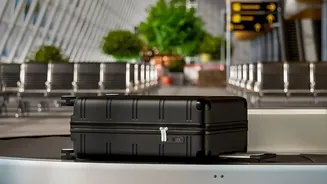
just a minor frustration; it represents lost revenue for airlines and airports and, more importantly, missed opportunities for travellers. The survey highlights that key stress triggers include the fear of delays and cancellations, navigating long queues, and anxiety over baggage handling. Essentially, the core of the problem is uncertainty — not knowing what will happen next. This feeling is particularly pronounced among the industry's most valuable customers. The report found that a staggering six in ten frequent flyers have abandoned a trip due to anticipated stress. More than half of travellers under the age of 30 have done the same, signalling a serious challenge in engaging the next generation of flyers.
The Airport Pressure Cooker
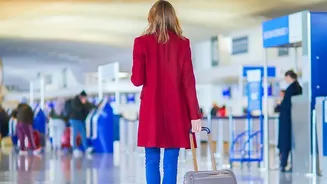
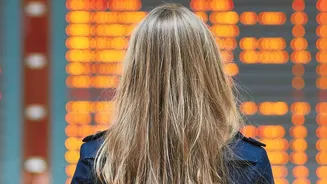
While flying itself can be a source of fear for some, SITA's research points to the on-ground experience as a major source of friction. The period between clearing security and boarding the plane has become a significant anxiety hotspot. A third of all passengers now report feeling anxious during this 'dwell time', a figure that has tripled since 2023. This is the time when passengers should be relaxing, shopping, or grabbing a bite to eat. Instead, many are preoccupied with finding their gate, worrying about last-minute changes, and mentally preparing for the next step. The stress is compounded by crowded terminals, confusing layouts, and the constant fear of missing an important announcement. Psychologists note that the airport environment, with its strict routines and lack of personal control, can be inherently stressful for many people.
Can Technology Tame the Chaos?
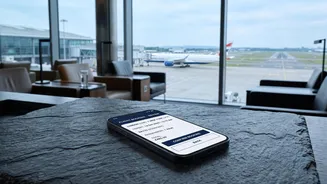
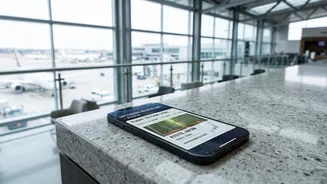
The good news is that passengers believe there is a solution. A resounding eight in ten travellers surveyed believe technology can significantly reduce the stress of air travel. This confidence is even higher among frequent flyers (89%) and younger travellers (86%), the very groups most affected by stress. The desire is for technology that provides clarity and control. Passengers want real-time updates on their phones about flight status, gate changes, and walking times within the terminal. They see the value in biometric technology to speed up check-in and security, reducing person-to-person contact and shortening queues. Digital bag tracking and automated rebooking for delays were also cited as highly useful. In short, travellers want the entire journey to feel as seamless as using a mobile boarding pass — a process that SITA notes is one of the calmest parts of the trip for most people.
Your Guide to a Smoother Journey
While the industry works on large-scale tech solutions, there are practical steps every traveller can take to reduce their own stress levels. Preparation is your most powerful tool. First, give yourself ample time. Rushing is a primary source of anxiety, so plan to arrive at the airport with at least two to three hours to spare for international flights. Second, streamline your process. Use airline apps to check in online and receive real-time notifications. Pack essentials like documents, a water bottle, and entertainment in an easily accessible part of your carry-on to avoid last-minute scrambling. Third, manage the airport environment. Once through security, find your gate first before you do anything else. This eliminates the biggest source of uncertainty. Then, find a quiet spot, listen to music or a podcast, and practice deep breathing exercises to stay calm amidst the chaos. Staying hydrated and avoiding too much caffeine can also help manage anxiety levels. By taking control of the small things, you can significantly reduce the feeling of being overwhelmed and make the journey a much more pleasant part of your adventure.