
More Than Just a Latte
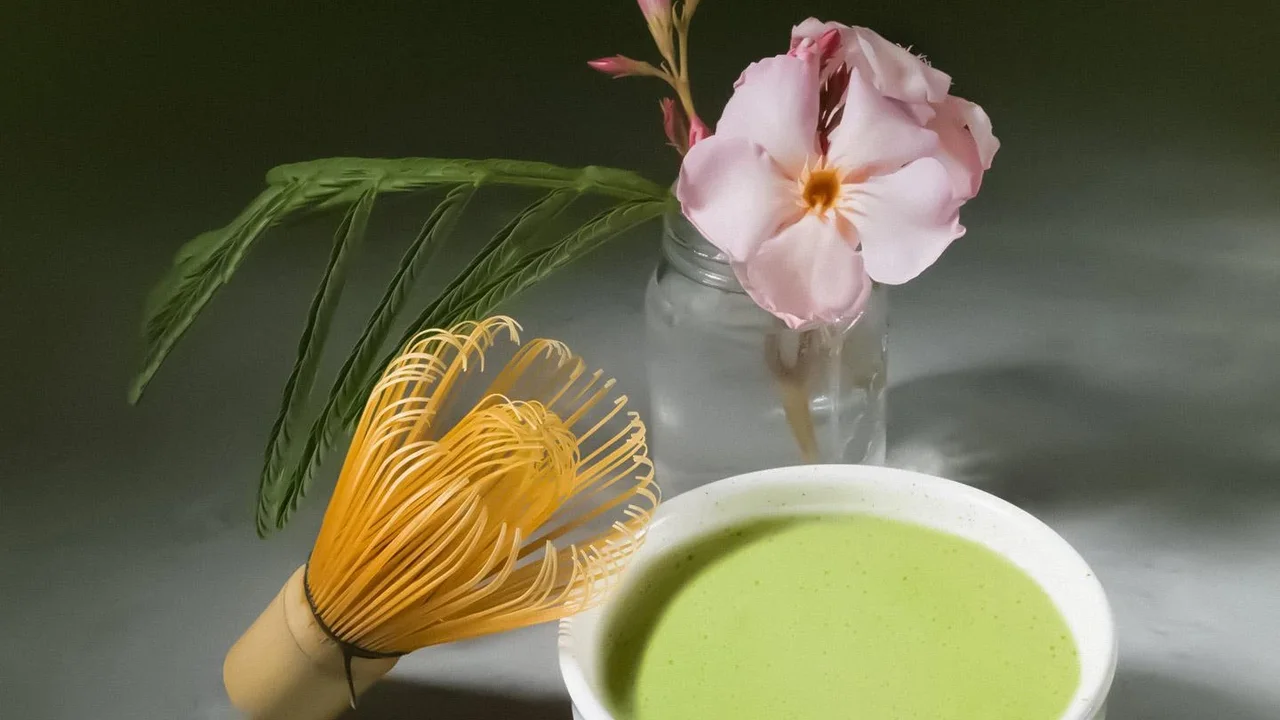
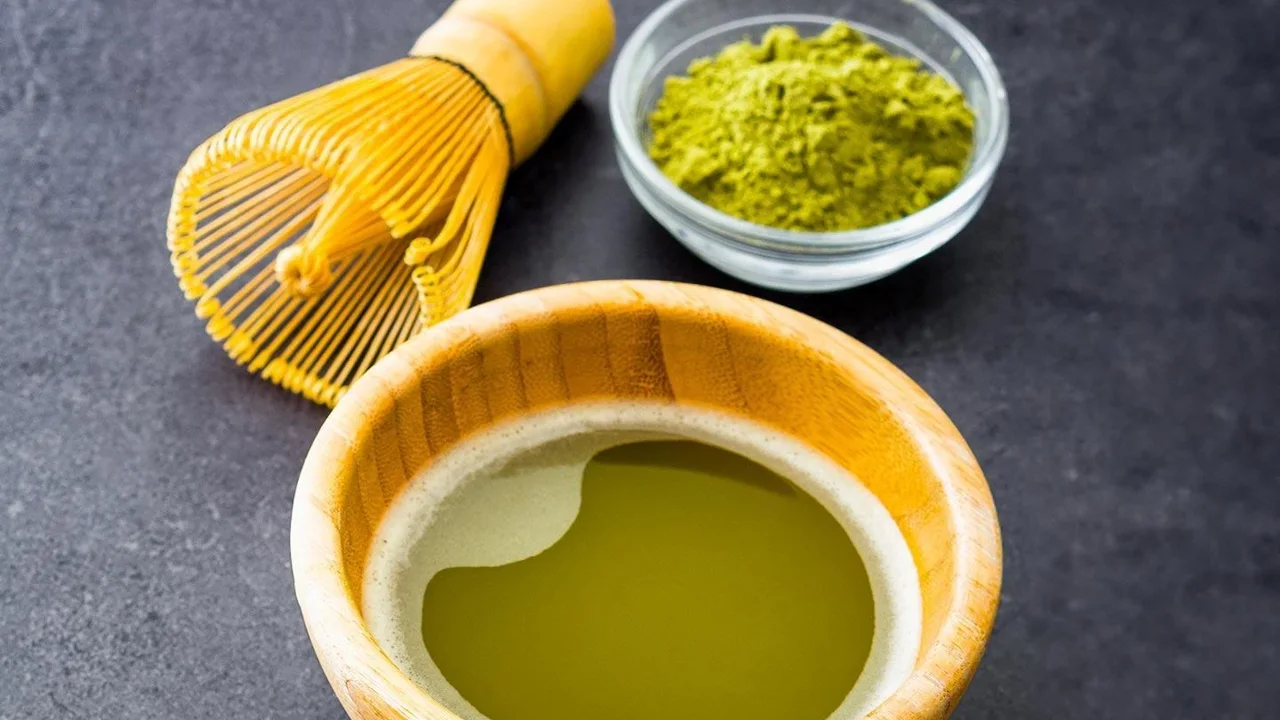
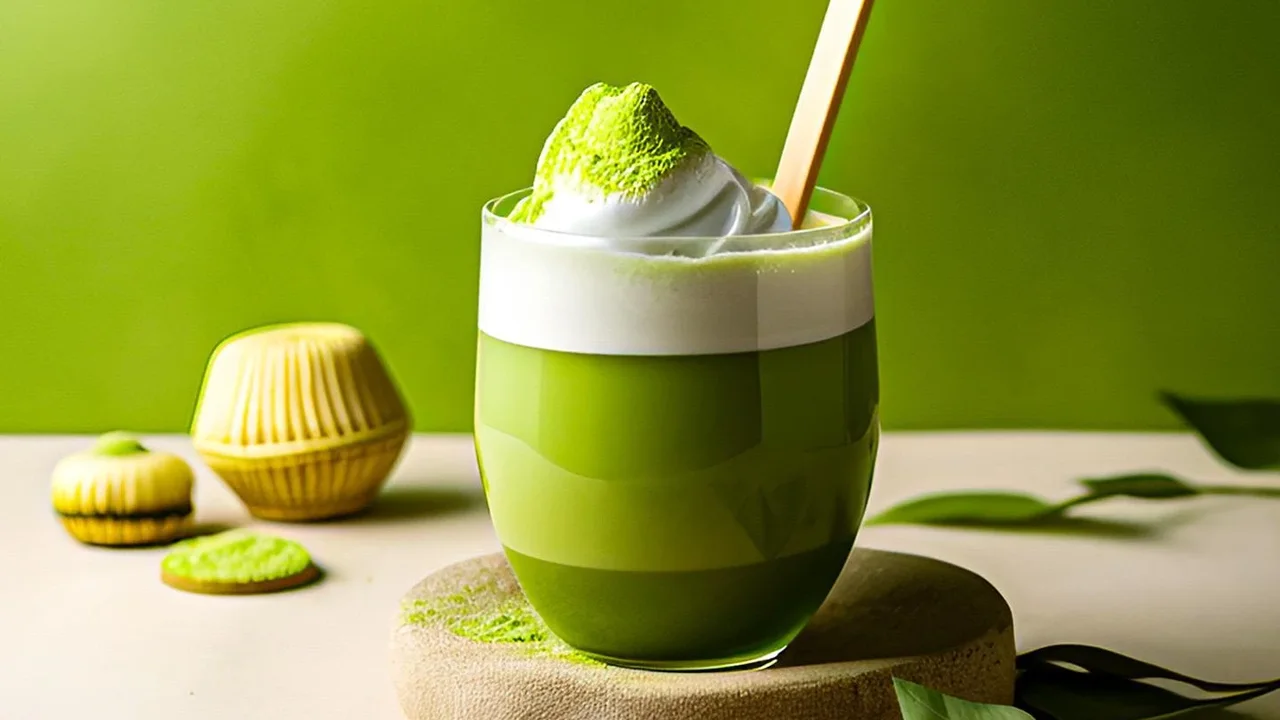
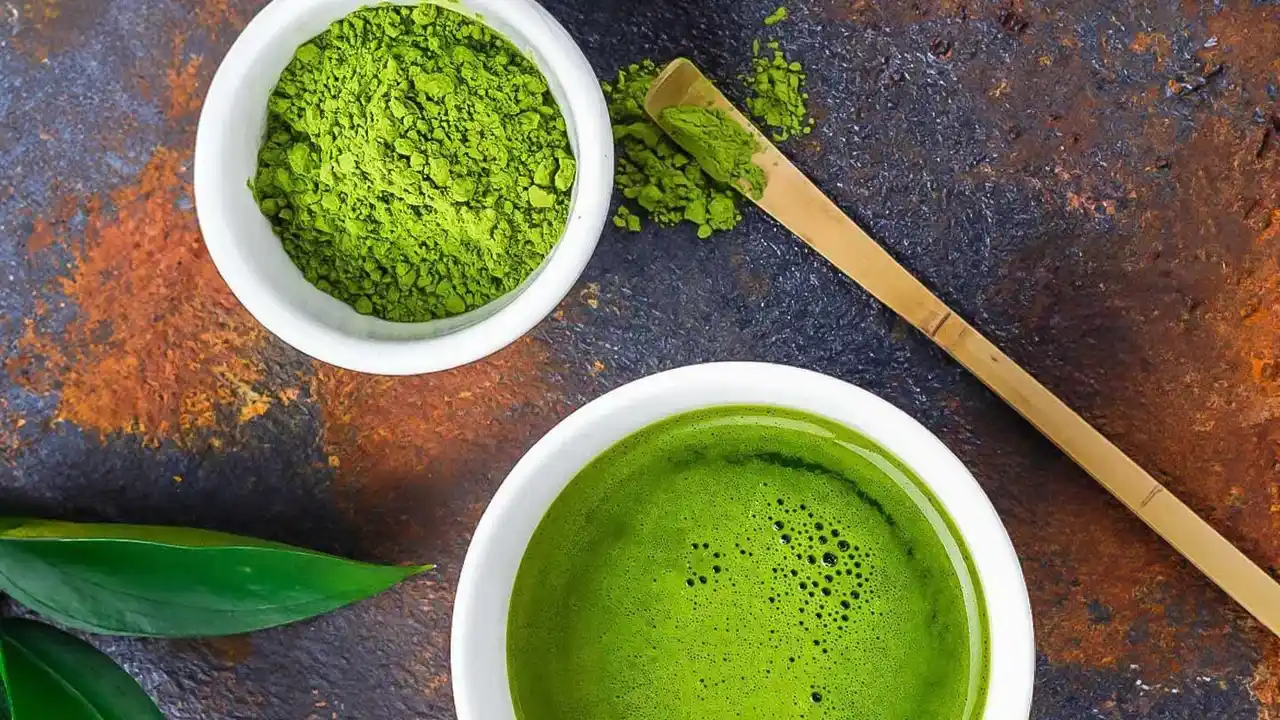
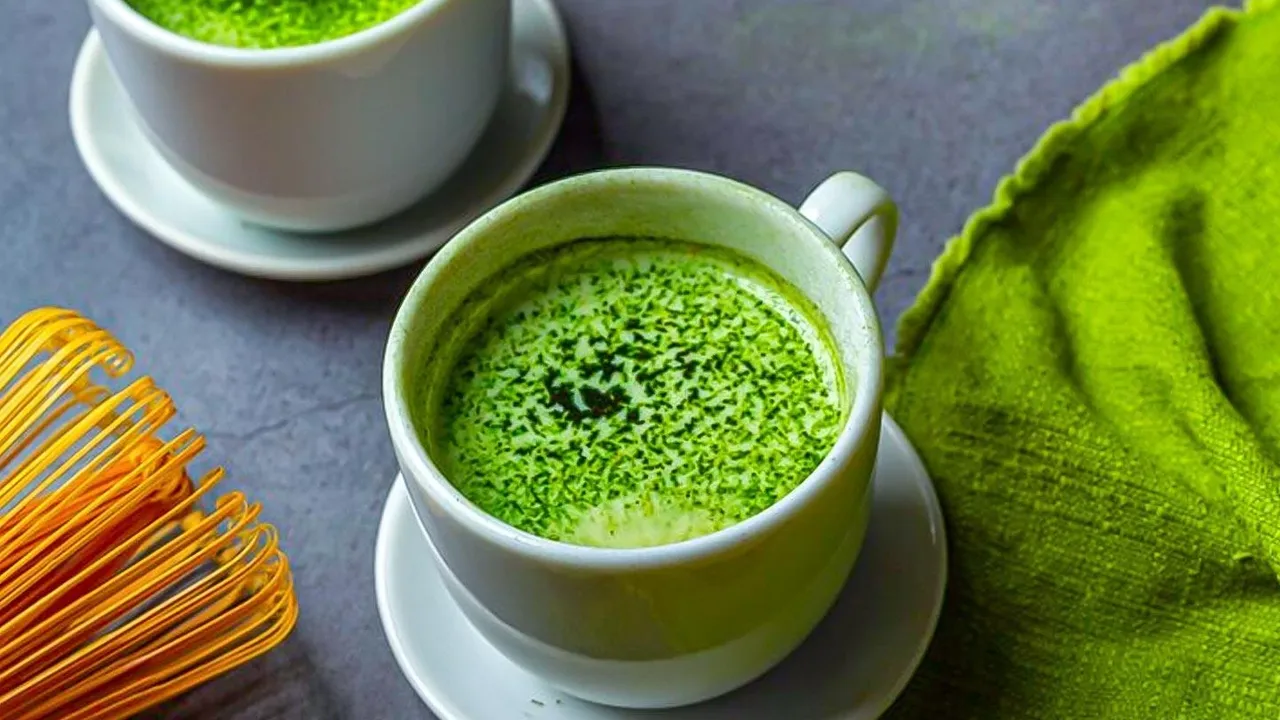
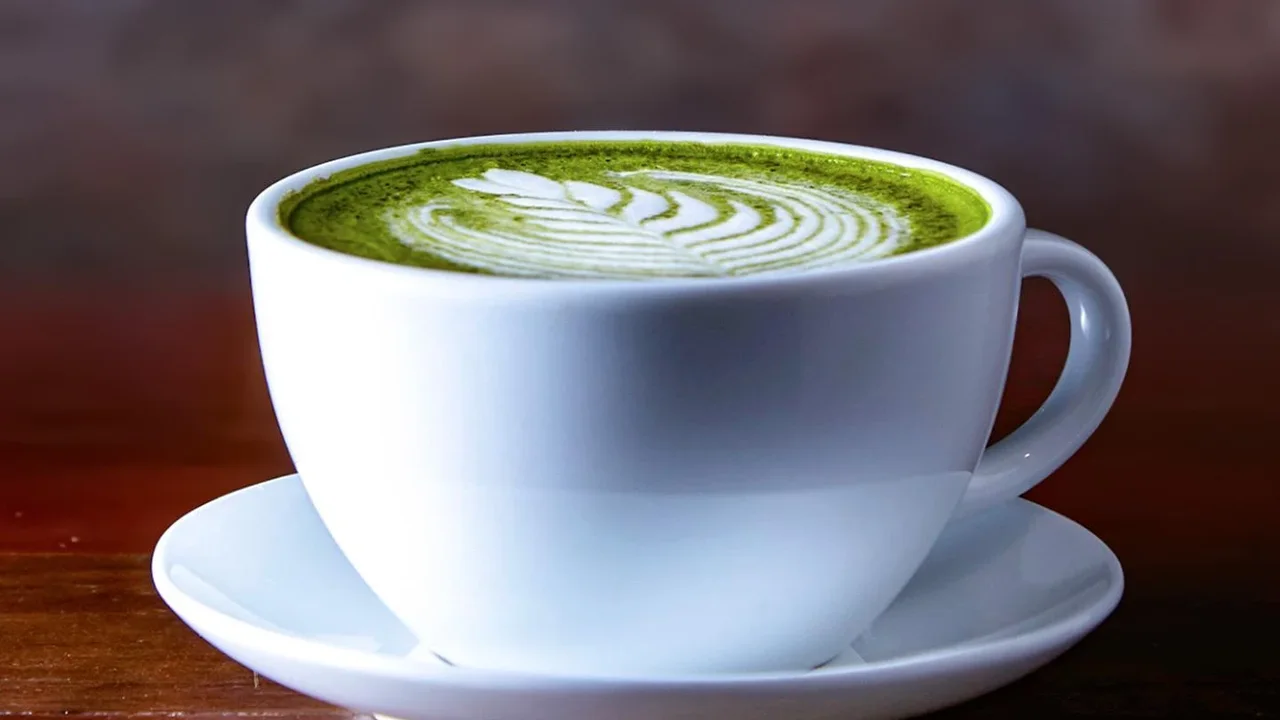
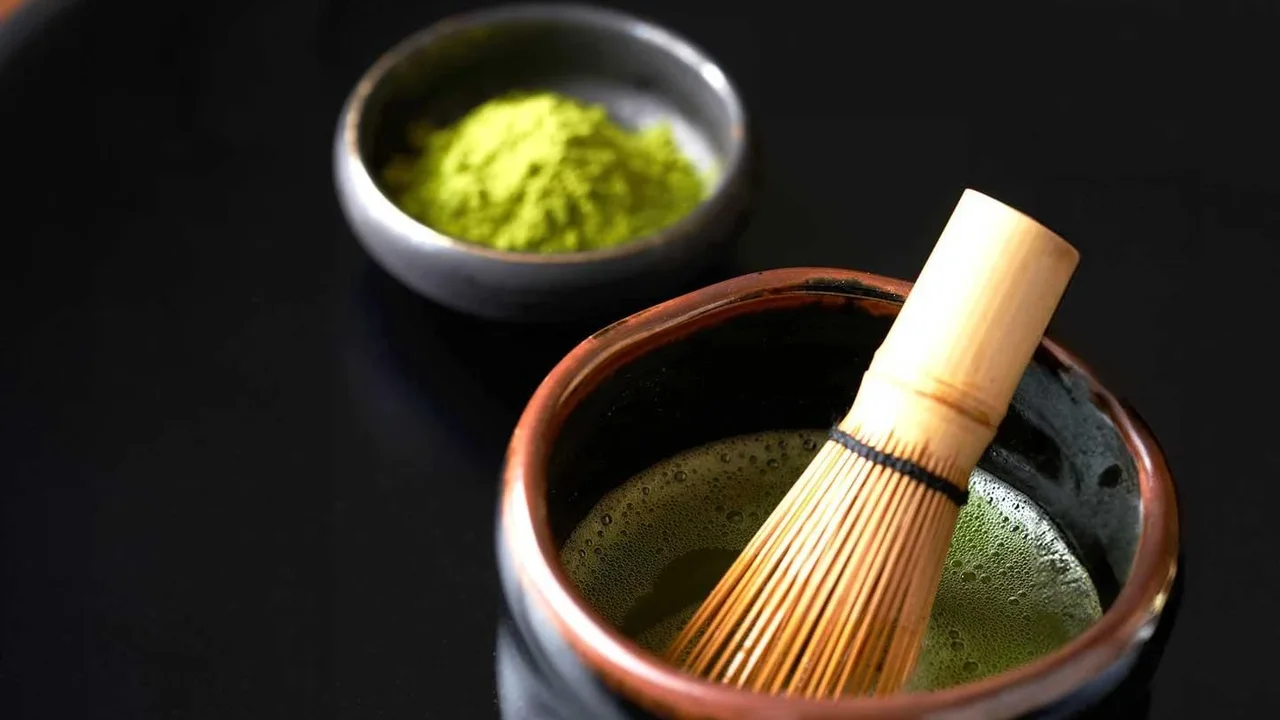
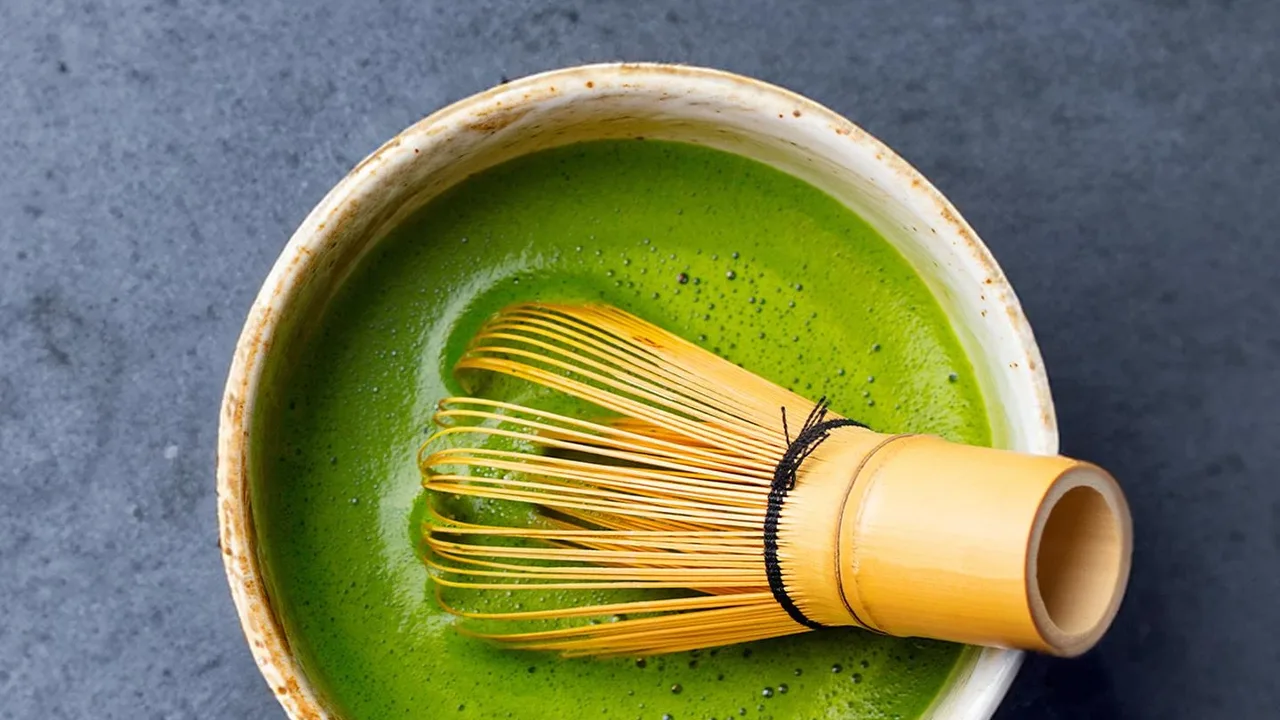
For years, matcha's entry into the mainstream was humble, primarily appearing as a coffee-shop alternative in the form of a frothy latte. Originating as a focal point of Japanese tea ceremonies, this finely ground powder of specially grown green tea leaves
was prized for its unique flavour and mindful preparation process. Its popularity surged thanks to a combination of its perceived health benefits, calming energy boost, and its undeniably photogenic bright green hue, which made it a star on social media. But as palates have become more familiar with its distinct taste—a complex blend of grassy, nutty, and subtly sweet notes—chefs and home cooks have started to wonder what else it can do.
The Chef's Secret Weapon
What makes matcha so exciting for culinary experimentation is its versatility. As a fine powder, it integrates seamlessly into batters, doughs, sauces, and liquids without the graininess of other natural ingredients. Its flavour profile is uniquely compelling; it has an 'umami' quality, the savory fifth taste, that adds depth to both sweet and savory recipes. This allows it to complement a wide range of other ingredients. Furthermore, culinary-grade matcha is intentionally bolder and more robust than its ceremonial counterpart, designed specifically to stand up to other flavours in cooking and baking. This has given creators the confidence to use it in increasingly ambitious ways.
Sweet Dreams in Shades of Green
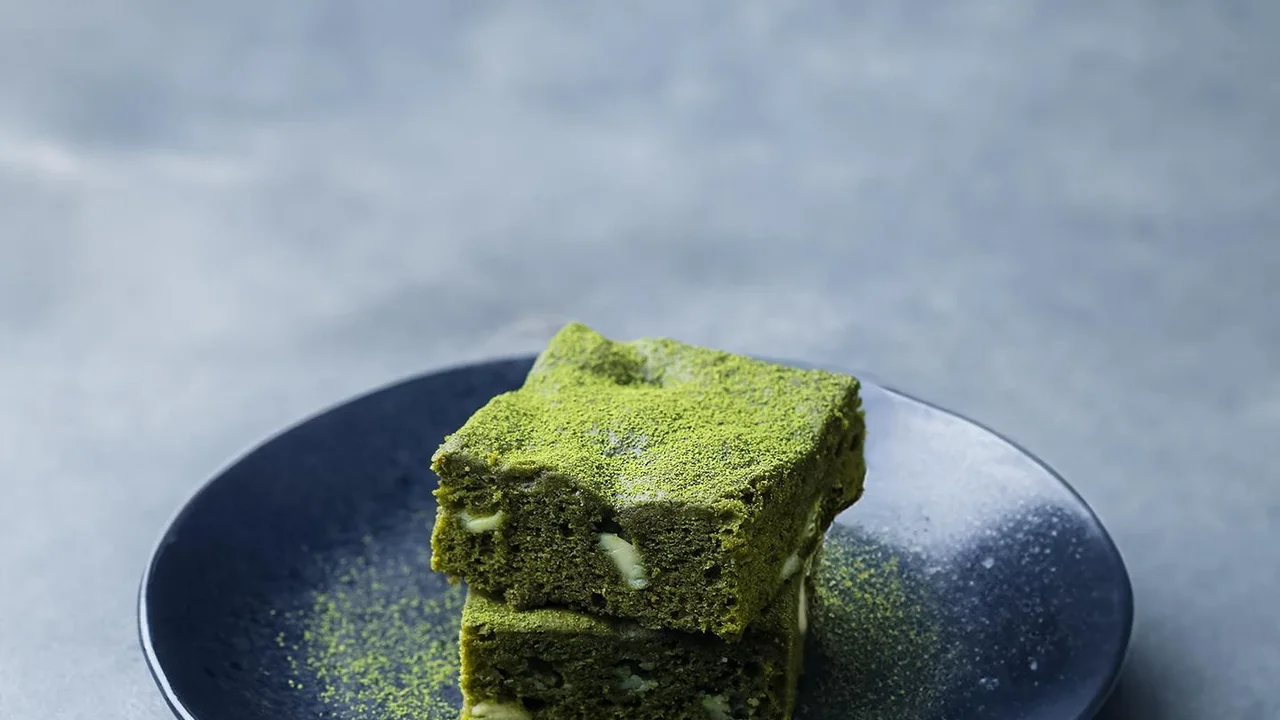
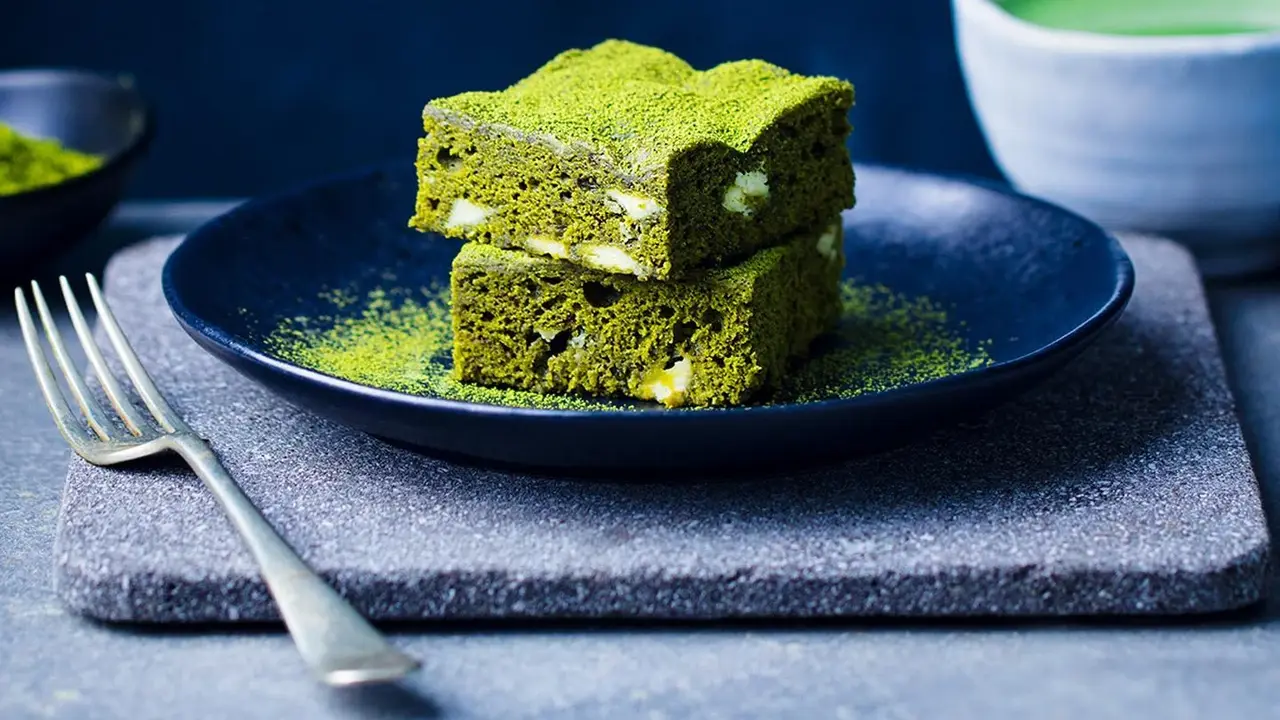
The dessert world has become a playground for matcha innovation. Bakeries and patisseries are moving far beyond simple matcha cookies or ice cream. Now, you can find matcha-infused tiramisu, where its earthy notes cut through the richness of mascarpone, and vibrant green cheesecakes that offer a sophisticated alternative to typical fruit flavours. Pastry chefs are filling croissants with matcha cream, glazing brownies with it, and even incorporating it into delicate soufflés. These creations work because matcha's slight bitterness provides a perfect counterbalance to sweetness, creating desserts that are complex, balanced, and visually stunning.
An Unlikely Star in Savory Dishes
Perhaps the most exciting frontier for matcha is the savory menu, a realm where it remains largely underexplored in Western cuisine. Chefs are now using it to add both colour and a subtle, earthy depth to everything from pasta to protein. Imagine pillowy gnocchi or fresh noodles turned a beautiful shade of green, served with a simple butter or cream sauce. Some are using matcha to create unique marinades for chicken or fish, where its properties can help tenderize the meat while imparting a complex flavor. You might even find it in the form of matcha salt, sprinkled over roasted vegetables, popcorn, or avocado toast for a final flourish of umami. These experiments show that matcha's savory potential is just beginning to be tapped.
The Trend Comes Home
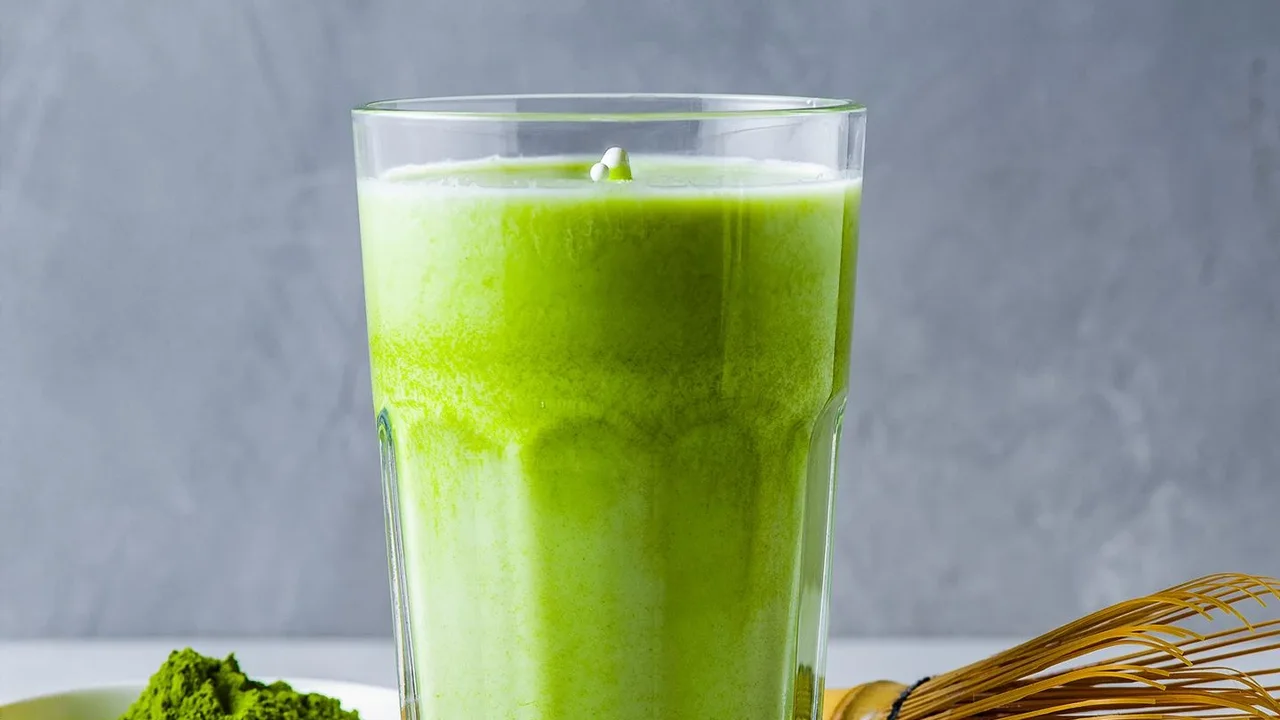
This wave of culinary creativity isn't confined to restaurant kitchens. The growing availability of high-quality culinary matcha means home cooks are also getting in on the action. Simple additions like whisking it into a salad dressing, blending it into a morning smoothie with tropical fruits, or mixing it into pancake batter are easy ways to start experimenting. As recipes for everything from matcha aioli to matcha energy bites become more widespread online, the barrier to trying these new flavour combinations is lower than ever. This accessibility is helping to solidify matcha's status not just as a passing trend, but as a legitimate pantry staple.