






The Numbers Behind the Trend
First, let's look at the claim. According to market analysis, notably the 'India Pet Care Market Outlook' report by Bonafide Research, Mumbai has outpaced other major metropolitan areas to claim the highest population of pet cats in the country. While
dogs still dominate the overall pet landscape in India, this specific trend in the financial capital signals a significant shift in urban pet culture. This isn't just a random spike; it’s the result of several converging factors that make cats the ideal companion for the modern Mumbaikar.
The Space Constraint Reality
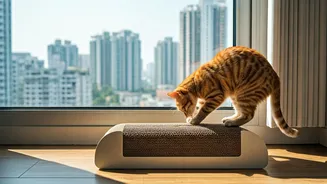
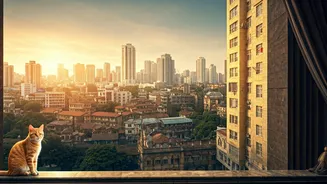
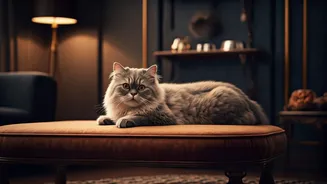
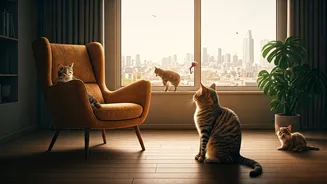
Anyone who has looked for a flat in Mumbai knows that space is the ultimate luxury. The city is famous for its compact apartments and vertical living. In this environment, a large, energetic dog that needs a yard or frequent walks in spacious parks is a logistical challenge. Cats, on the other hand, are perfectly suited for apartment life. They are smaller, require less physical space to be happy, and are content indoors. Their vertical nature means they can find territory to explore on shelves and windowsills, making even a small 1BHK feel like a kingdom. For many residents, choosing a cat isn't just a preference; it's a practical decision dictated by square footage.
A Pet for the Hustle Culture
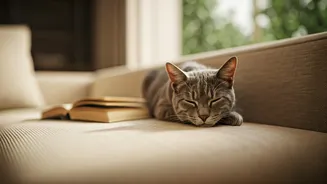
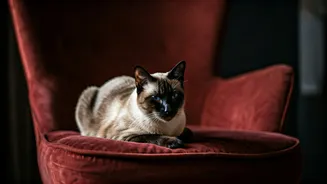
Mumbai runs on a notoriously demanding clock. Long work hours, packed local trains, and traffic-clogged commutes mean residents are often away from home for 10-12 hours a day. This lifestyle makes owning a dog, which typically requires multiple walks, regular potty breaks, and more intensive social interaction, very difficult. Cats, known for their independence, are a much better fit. They sleep for large parts of the day and are generally self-sufficient, provided they have food, water, and a clean litter box. They offer companionship without the constant demands, providing a calming presence to come home to after a draining day, making them the perfect pet for the city's signature hustle culture.
Changing Perceptions and Social Media
Culturally, the perception of cats in India has undergone a major transformation. Once seen primarily as independent, semi-feral animals or even associated with bad omens, they are now increasingly viewed as affectionate and desirable pets. The global influence of internet culture has played a massive role. Platforms like Instagram and TikTok are flooded with videos of cute, funny, and loving cats, effectively serving as a global marketing campaign for feline companionship. This has helped destigmatize cats and showcase their personality, encouraging a new generation of Indians to see them as part of the family. The rise of 'catfluencers' and a constant stream of viral content have made cat ownership aspirational.
The Rise of the Indie Cat
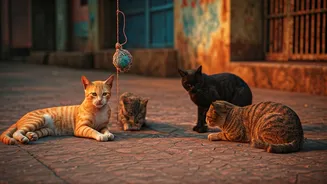
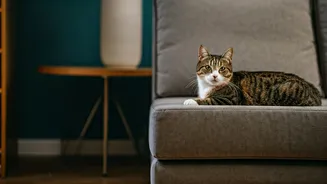
The trend in Mumbai isn't solely driven by expensive, purebred cats. A significant portion of the city's cat owners are adopting 'indie' or native domestic cats. Animal welfare organizations and local shelters have successfully promoted the 'adopt, don't shop' philosophy, highlighting the plight of stray animals. Indie cats are well-adapted to the local climate, are known for their resilience and strong immune systems, and possess a diverse range of charming personalities. This movement has not only provided homes for countless strays but has also made pet ownership more accessible to a wider demographic, as adoption is far less costly than purchasing a pedigree breed.
A Booming Pet Care Ecosystem
The increase in cat ownership has been supported by a corresponding boom in the pet care industry. A decade ago, finding cat-specific products like specialised food, litter, or toys was a challenge. Today, pet stores in Mumbai and online retailers offer a vast array of feline-focused products. Furthermore, the service sector has adapted, with a growing number of veterinarians specialising in felines, as well as dedicated cat groomers and boarding facilities. This robust ecosystem makes it easier and more convenient than ever to provide high-quality care for a pet cat, removing previous barriers to ownership.