




What 'Early Harvest' Really Means
The term 'early harvest' can be a bit misleading. It doesn't mean picking unripe, sour fruit. Instead, think of it as capturing produce at the very beginning of its peak season. These are the first fruits to ripen naturally, harvested the moment they
achieve optimal flavour and nutritional value. Unlike produce picked prematurely to survive long-distance shipping, early-season fruits from local sources are bursting with life. When you buy a mango in April or May, at the height of its season, you are getting an entirely different fruit from one that was forced to ripen in March. The goal is to align your fruit buying with nature’s calendar, catching the wave of peak freshness as it arrives.
An Explosion of Flavour and Aroma
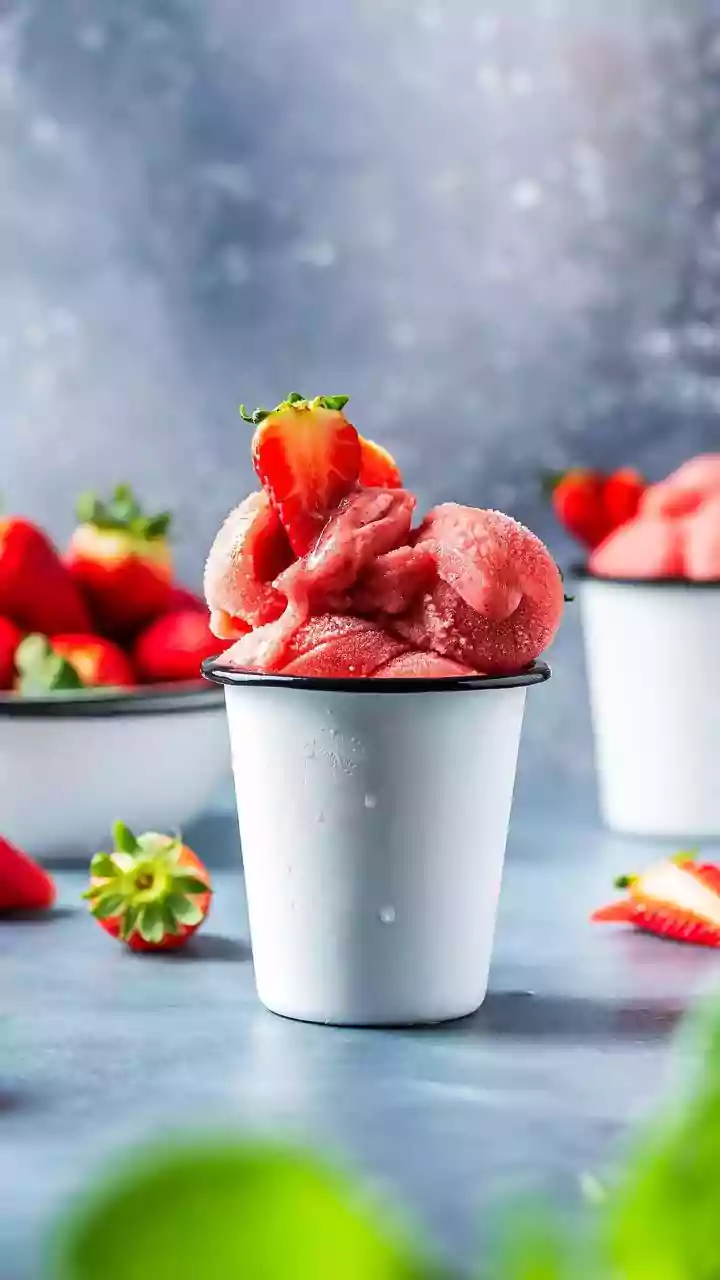
The most immediate difference you'll notice is the taste. Fruits that are allowed to ripen fully on the plant develop a more complex and intense flavour profile. As a fruit matures, its starches convert into natural sugars, resulting in a deeper, more authentic sweetness that processed sugars can't replicate. This is why a seasonal strawberry is incredibly fragrant and sweet, while an off-season one can be watery and bland. This peak ripeness also enhances the fruit's natural aromatics. For a smoothie, this means the vibrant scent of mango or the fragrant perfume of a muskmelon becomes a dominant, delicious note, not just a faint background hint. The flavour is cleaner, brighter, and requires far less help from added sweeteners.
A Superior Nutritional Punch
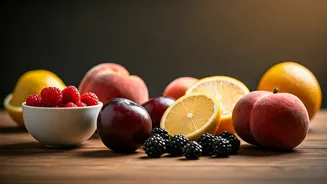
Fruits harvested at their peak are not just tastier; they are often more nutritious. Many beneficial compounds, including antioxidants and vitamins, increase as a fruit ripens on the vine. For example, studies have shown that nutrient levels in produce can degrade significantly during transportation and storage. Locally sourced, early-season fruits that travel a short distance from farm to blender retain more of their goodness. Berries, for instance, are packed with phytonutrients and antioxidants when fresh. Choosing seasonal means you are getting a higher concentration of the vitamins and minerals that support everything from your immune system to skin health, making your smoothie a true wellness elixir.
The Secret to a Creamier Texture
Texture is the unsung hero of an elite smoothie. Out-of-season or prematurely picked fruits often have a less desirable texture; they can be overly fibrous, watery, or mealy. Early harvest fruits, picked at their prime, tend to have a better structural integrity. Their flesh is firm yet succulent, with a higher ratio of pulp to water. When blended, this translates into a naturally creamier, smoother, and less icy consistency. Freezing these peak-season fruits is an excellent pro-tip; it locks in their flavour and nutrition while allowing you to create thick, ice-cream-like smoothies without diluting the taste with actual ice. Your smoothie will have a luxurious, velvety mouthfeel that simply can’t be achieved with subpar produce.
Top Indian Picks for Your Blender
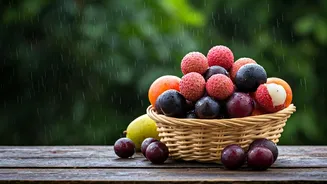
India’s diverse climate offers a fantastic calendar of fruits perfect for smoothies. For a truly elite blend, focus on these seasonal stars when they first appear at their best. Mango, the undisputed king, is a prime example; aim for varieties like Alphonso or Kesar during their peak from April to June for supreme creaminess and flavour. Litchis, with their floral sweetness, create a refreshing and luxurious smoothie base in the early summer months. Don’t overlook the humble muskmelon (kharbuja); its mellow sweetness and high water content make it a fantastic hydrator and a smooth base. And when strawberries arrive in the cooler months, their antioxidant-rich profile and bright tartness can elevate any blend from good to great.