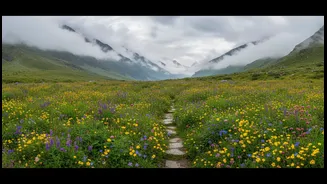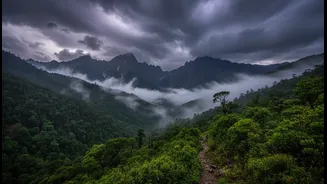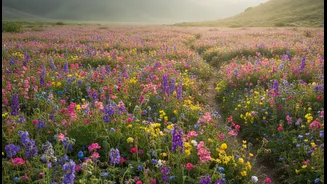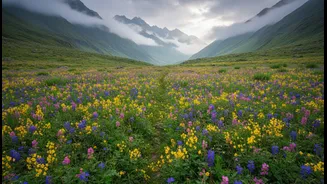





Monitor Conditions Before You Go
The situation in the mountains can change in an instant, especially during the monsoon. The India Meteorological Department (IMD) has issued alerts for heavy to extremely heavy rainfall in Uttarakhand for late July, increasing the risk of landslides and flash
floods. Authorities are on high alert, with some travel restrictions, like the temporary suspension of the Char Dham Yatra and night travel bans in certain districts, already implemented to ensure safety. Before starting your journey, check official sources like the Uttarakhand State Disaster Management Authority (USDMA) for the latest road conditions and advisories. Do not travel without confirming that routes are open and deemed safe by local authorities. Flexibility is key; be prepared to alter or postpone your plans if conditions are unfavorable.
Understand the Route and Its Risks
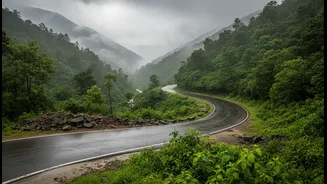
The journey to the Valley of Flowers typically starts from Rishikesh or Haridwar, with a drive to Govindghat via Joshimath. From Govindghat, a short drive takes you to Pulna, the starting point for the 9-km trek to Ghangaria, the base camp for the valley. The entire road corridor, particularly the stretches between Rudraprayag and Joshimath, is prone to landslides during the monsoon. Heavy rains can cause debris to block roads for hours or even days. The trek from Pulna to Ghangaria, while paved, can also become slippery and challenging in the rain. Always start your travel early in the day to avoid afternoon showers and allow for buffer time to handle unexpected delays.
On the Road: Safe Travel Practices
When travelling by vehicle, hire experienced local drivers who understand the terrain and its risks. Communicate with them about the route and potential hazards. Avoid travelling at night, as visibility is poor and the risk of landslides increases; authorities in some districts have already restricted movement between 8 pm and 5 am. If you encounter a blocked road, do not try to cross on foot or park your vehicle in a risky spot. Wait for instructions from officials. On the trekking path, wear sturdy, waterproof footwear with good grip. Walk at a steady pace and be mindful of loose rocks or mud. Stay away from the edges of cliffs and fast-flowing streams, as water levels can rise suddenly.
Recognise the Warning Signs
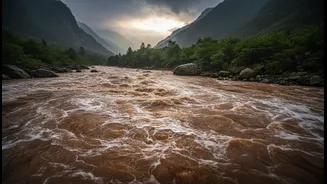
Being aware of your surroundings can be life-saving. Warning signs of a potential landslide include new cracks appearing in the ground, tilting trees or poles, and unusual sounds like rumbling or cracking trees and rocks. A sudden change in water flow in streams—from clear to muddy, or a rapid increase in volume—can also signal debris flow upstream. If you notice any of these signs, move away from the area immediately to higher ground. It's crucial to stay alert, especially during and after heavy rainfall. Many landslide-related fatalities occur when people are asleep, so stay awake and vigilant during intense storms.
Pack for the Unexpected
Your packing list should prioritise safety and self-sufficiency. Carry a comprehensive first-aid kit, essential personal medicines, and enough extra food and water for at least 24-48 hours in case you get stranded. Waterproofing is non-negotiable; pack waterproof jackets and pants, and protect your electronics and important documents in waterproof bags or pouches. A fully charged power bank is a modern necessity. Also carry a flashlight with extra batteries. Since temperatures can drop, especially at Ghangaria, pack warm layers.
What to Do If You're Caught
If you are caught near a landslide, your immediate action should be to move away from its path as quickly as possible, preferably to higher ground. Do not try to outrun it by going downhill. If escape is not possible and you are outdoors, curl into a tight ball to protect your head. If you are inside a vehicle, assess the stability. If it's safe to stay inside, do so. If not, abandon the vehicle and move to a safer location. After a landslide, stay away from the slide area as there could be additional slides. Listen to authorities and do not return until the area is declared safe.