








Which States Are on Alert?
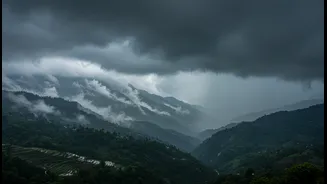
The IMD has placed numerous states on alert due to the vigorous monsoon conditions. Heavy to very heavy rainfall is expected in the Himalayan states of Uttarakhand and Himachal Pradesh through mid-July. The plains are also on watch, with alerts for heavy showers
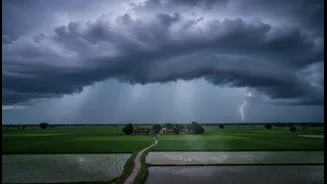
in Punjab, Haryana, Chandigarh, Delhi, and Uttar Pradesh, particularly between July 11 and 13. Widespread rainfall is also predicted for Jammu and Kashmir from July 11 to 12. These warnings come as the southwest monsoon remains active across the region, driven by multiple weather systems that are enhancing moisture and instability.
Understanding the Risks: Floods and Landslides
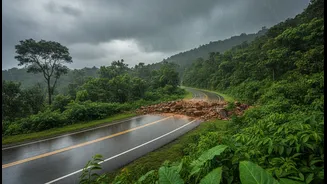
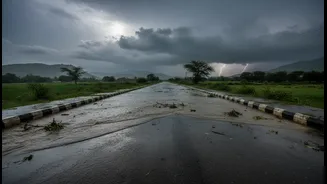
The primary concerns associated with this spell of heavy rain are waterlogging, flash floods, and landslides. In urban areas like Delhi-NCR, heavy downpours can lead to severe traffic congestion and inundation of low-lying areas. For the hilly regions of Uttarakhand and Himachal Pradesh, the risk is significantly higher. Continuous rainfall saturates the soil, increasing the vulnerability to landslides and rockfalls, which can block highways and disrupt connectivity. In fact, persistent rains have already led to some road closures and travel disruptions in these states. Authorities have specifically warned of a flash flood risk in susceptible watersheds in Uttarakhand.
Official Advisories and Preparedness
In response to the IMD's forecast, disaster response agencies are on high alert. The National Disaster Response Force (NDRF) has pre-positioned 91 teams across the country in vulnerable areas to ensure a swift response to any emergencies. State governments are also taking action. For instance, in Shimla, a 30-member NDRF team has been stationed for the monsoon season to handle emergencies like landslides and flash floods. Authorities are advising the public to monitor weather updates closely, avoid unnecessary travel during intense showers, and stay away from flood-prone zones and areas vulnerable to landslides.
Essential Safety Precautions for Residents
During periods of heavy rainfall, it is crucial to take personal safety measures. If you live in a low-lying or flood-prone area, be prepared to move to a safer location if instructed by local authorities. Avoid walking or driving through waterlogged streets, as the depth can be deceptive and there may be hidden dangers like open manholes. At home, ensure your emergency kit is ready with essentials like a torch, first-aid supplies, dry food, and clean water. Stay away from overflowing drains and streams. For those in hilly areas, be extra vigilant for any signs of land movement, such as cracks appearing on slopes or tilted trees. It is also wise to secure loose objects outside your home that could be carried away by strong winds or water.
How to Stay Informed
Staying updated with the latest information is key to remaining safe during severe weather events. The most reliable source for weather forecasts and warnings is the India Meteorological Department (IMD) itself. You can follow their updates through their official website and social media channels. Additionally, local news outlets and district disaster management authorities will provide specific information and advisories relevant to your area. Paying attention to these official announcements can help you make informed decisions to protect yourself and your family from potential weather-related hazards.