


Himalayan Journeys: Nepal and Bhutan
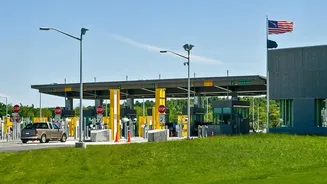
For decades, Nepal has been one of the most accessible international destinations for Indians. Thanks to the 1950 Treaty of Peace and Friendship, Indian citizens do not require a visa to enter Nepal. For overland crossings, you simply need a valid government-issued
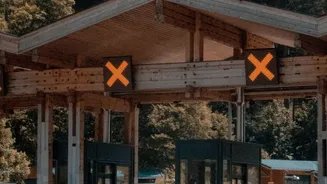
photo ID like a Passport or a Voter ID card. Recently, in May 2026, Nepal introduced an online portal for foreign tourists to pre-register their vehicles and pay fees digitally, aiming to reduce long queues and congestion at the border. This makes driving into Nepal even smoother. Bhutan also remains a popular choice, though its rules are more structured. Indians do not need a visa but must obtain an entry permit, which can be done on arrival at land borders like Phuentsholing. A key requirement is the payment of a Sustainable Development Fee (SDF), which is ₹1,200 per person, per night, with concessions for children. For short 24-hour visits to border towns like Phuentsholing, the SDF is not required.
Gateway to the East: Myanmar and Thailand
The India-Myanmar-Thailand Trilateral Highway has long been a subject of fascination for road-trippers. Travel to Myanmar requires an e-visa for Indian citizens, which should be obtained in advance. There is no standard visa-on-arrival facility for tourists. The primary land border crossing is at Moreh in Manipur, leading to Tamu in Myanmar. From there, travellers can continue their journey towards cities like Mandalay and Yangon. While travel to Thailand by road is possible, recent changes in 2026 have adjusted the rules. Thailand removed India from its visa-free list and reinstated the Visa on Arrival system. This means Indian tourists arriving at land borders (or airports) will need to complete the visa on arrival process. This typically requires showing proof of accommodation, a return ticket, and sufficient funds for the trip.
Crossing into Bangladesh
Unlike some of its neighbours, Bangladesh does not offer a visa-on-arrival facility for Indian passport holders at its land borders or airports. Indian citizens must obtain a visa in advance from a Bangladeshi High Commission or consulate in India before starting their journey. However, for those with the proper visa, there are several land crossings open between the two countries, including the popular Benapole-Petrapol and Dawki-Tamabil borders. In a positive development for regional travel, India resumed issuing tourist visas for Bangladeshi nationals in June 2026, aiming to strengthen tourism and bilateral ties.
Your Essential Overland Travel Checklist
While rules vary by country, a standard set of documents will make any border crossing smoother. Always carry the originals and have photocopies or digital copies as a backup. Valid Passport: Ensure it has at least six months of validity from your date of entry. Voter ID Card: This is a crucial document, especially for entry into Nepal and Bhutan, where it is accepted as a primary travel document. Entry Permits/Visas: Have your pre-approved e-visas (for Myanmar) or be prepared to fill out permit forms (for Bhutan) or visa-on-arrival applications (for Thailand). Vehicle Documents: If driving your own car, you'll need the original Registration Certificate (RC), insurance papers, pollution certificate, and an international driving permit where required. Some countries may also require a 'Carnet de Passages en Douane'. Proof of Plans: Be ready to show confirmed hotel bookings and a return or onward travel ticket. Passport-Sized Photographs: Carry a few recent photos, as they are often required for permits and visa forms.