







The Power of a Conscious Breath
From ancient yogic traditions to modern clinical studies, the power of controlled breathing is well-documented. Practices that focus on slow, deliberate breaths can activate the body's parasympathetic nervous system, also known as the "rest and digest"
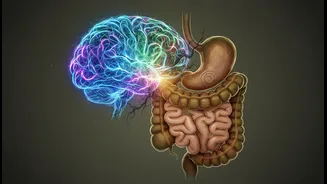
mode. This physiological shift can lead to significant health benefits, including lowered blood pressure and heart rate, reduced levels of the stress hormone cortisol, and an increased sense of calm. Studies show that a consistent practice can help manage feelings of anxiety and depression, improve sleep quality, and even strengthen your immune response. By simply changing the rhythm of your breath, you send a powerful signal to your brain and body to relax, helping to break the cycle of stress and anxiety.
Why 'Carefully' Is the Most Important Word
Despite the clear benefits, breathing exercises are not a one-size-fits-all solution and should be approached with caution. Because they directly influence your heart rate, blood pressure, and blood gas levels, they can pose risks for individuals with certain health conditions. Intense or rapid breathing techniques, like Kapalbhati or Bhastrika, can cause hyperventilation, leading to dizziness, tingling sensations, or muscle spasms. For someone with a cardiovascular condition, uncontrolled high blood pressure, or a history of stroke, these sudden physiological changes can be dangerous. Similarly, individuals with respiratory conditions like severe asthma or COPD must be careful, as certain exercises could potentially aggravate symptoms rather than soothe them. Even some mental health conditions, like panic disorder, can sometimes be worsened by a hyper-focus on breathing without proper guidance.
Always Consult Your Doctor First
Before starting any new breathing regimen, a conversation with your healthcare provider is essential. This is not just a formality; it's a crucial safety step. Think of it as a health intervention, similar to starting a new diet or exercise plan. Your doctor can assess whether breathwork is appropriate for you based on your complete medical history. They can help identify which techniques are safe and which to avoid. This is especially vital if you are pregnant or have conditions like epilepsy, glaucoma, a history of aneurysms, or are recovering from surgery. A doctor or a qualified physiotherapist can offer guidance tailored to your specific needs, ensuring your breathing practice supports your overall care plan instead of conflicting with it.
Simple, Safe Techniques for Beginners
Once you have the green light from your doctor, start with gentle, foundational techniques that are widely considered safe. Diaphragmatic or "belly" breathing is an excellent starting point. To practice it, lie comfortably and place one hand on your chest and the other on your belly. Breathe in slowly through your nose, focusing on making your belly rise while your chest stays relatively still. Exhale slowly through pursed lips, feeling your belly fall. Another gentle option is Box Breathing: inhale for four seconds, hold for four, exhale for four, and hold for four. The 4-7-8 technique is also popular for relaxation: inhale for a count of four, hold for seven, and exhale slowly for eight. Start with just a few minutes a day and focus on how you feel.
Know the Red Flags and Listen to Your Body
As you begin your practice, pay close attention to your body’s signals. A breathing exercise should feel calming and comfortable, not stressful. If you experience symptoms like dizziness, severe shortness of breath, chest pain, an irregular heartbeat, or a spike in anxiety, you should stop immediately. These are red flags that the technique or pace isn't right for you. It's also normal for some intense techniques to cause tingling or lightheadedness due to changes in carbon dioxide levels, but these sensations should not be severe or distressing. If any symptom feels concerning, it's best to cease the practice and consult your doctor or a trained breathwork facilitator before trying again. The goal is to support your well-being, and pushing through discomfort is counterproductive and potentially unsafe.