





The Rise of the Culinary Traveller
A significant shift is underway in how Indians plan their vacations. Increasingly, the deciding factor for a destination is not just its sights, but its tastes. According to industry reports, there is a growing hunger for travel experiences that centre
on culinary culture. This trend, often called culinary or gastronomic tourism, involves exploring a place through its most authentic flavours, from street food stalls to heritage kitchens. Experts point to a post-pandemic desire for more meaningful journeys, a surge in domestic travel, and the influence of social media food bloggers who bring hidden culinary gems to our screens. Travellers are no longer content with a generic menu; they want the story behind the dish, the local market where the ingredients were sourced, and the generational traditions that have perfected the recipe.
From Tourist Menus to Authentic Tables
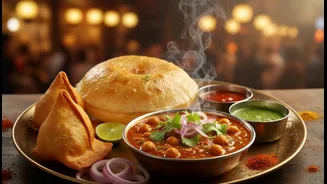
For years, tourist-friendly restaurants served a predictable, often watered-down version of Indian food. But now, hospitality and travel companies are recognising that authentic food is the main attraction. This has led to the creation of curated culinary journeys, food walks, and cooking classes that offer a deeper dive into India's diverse gastronomic landscape. Imagine walking through the bustling lanes of Old Delhi, tasting 16-18 different dishes that have been served for over a century, or learning to prepare a fiery Laal Maas in a stately Rajasthani home. These experiences move beyond simple dining; they are about connecting with a place and its people through the universal language of food.
Tastes of the Nation: A Food Lover's Map
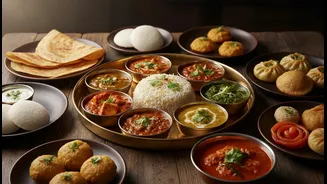
India's culinary diversity is its greatest strength, offering a unique edible adventure in every region. In the south, travellers can book a houseboat in Kerala for a fresh fish curry preparation or enjoy a traditional Sadya lunch after touring spice gardens in Thekkady. In Rajasthan, food tours introduce visitors to the secrets of Dal Baati Churma and royal kitchen experiences. Further north, you can explore Mughlai cuisine with cooking demonstrations in Agra or join food walks in Lucknow to taste iconic kebabs. Even cities like Mumbai and Kolkata offer vibrant street food tours, celebrating local favourites like vada pav and puchka. This focus allows travellers to experience the true flavour of a region, shaped by its climate, history, and local produce.
Beyond the Plate: Agri-Tourism and Deeper Connections
The trend extends beyond restaurants and into the countryside with the growth of agri-tourism. These holidays offer a farm-to-table experience where visitors can see exactly where their food comes from. Travellers can participate in farm tours, from spice plantations in Kerala to tea gardens in Assam, and even engage in hands-on activities like picking ingredients and learning traditional farming methods. This not only provides a unique holiday but also supports local farmers and promotes sustainable practices. By staying in farm homestays and engaging with rural communities, travellers gain a profound appreciation for the effort behind every meal and foster a connection that lasts long after the trip is over.