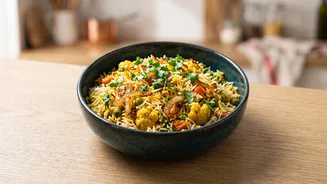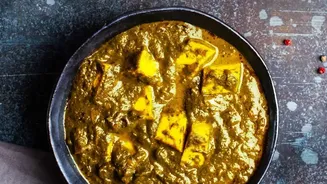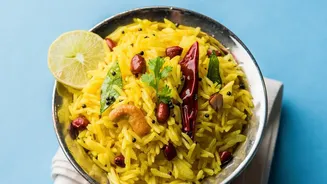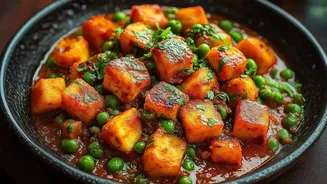






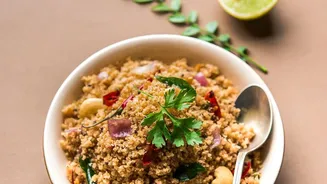

It's a familiar joy in many Indian households: the dal, curry, or biryani from last night's dinner tastes even more spectacular for lunch today. This isn't just your imagination; there's real culinary science at play when you let your food rest.
The Science of Flavour Harmony
When you
cook a complex Indian dish, you're bringing together dozens of ingredients with distinct flavour profiles. Immediately after cooking, these flavours are like individuals in a crowded room—present, but separate. Overnight, a process called flavour equilibration occurs. Aromatic compounds from spices, acids from tomatoes or tamarind, and fats from oil or ghee slowly mingle and spread evenly throughout the dish. Sharp notes from ginger, garlic, and chillies mellow, allowing the deeper, more rounded flavours to emerge. This chemical mingling is why a freshly made curry might taste like its components, but a day-old one tastes like a single, harmonious dish.
How Spices Continue to Work
Many of the aromatic compounds in Indian spices like cumin, cloves, and coriander are fat-soluble, meaning they dissolve in oil and ghee, not water. During cooking, these fats become flavour carriers. As the dish cools and rests in the fridge, the flavoured oils continue to permeate the ingredients. The spices essentially keep working, slowly releasing their aromatic oils and infusing deeper into the meat, vegetables, or lentils. This slow-release marination is what transforms a dish from merely spiced to truly flavourful, creating a richer and more cohesive taste experience by the next day.
Biryani: The Art of the Rest
Everyone who loves biryani knows that day-old biryani is an elite experience. The magic is in the settling. As it rests overnight, the complex layers of fragrant rice, rich masala, and tender meat or vegetables get a chance to fully integrate. The rice grains absorb the juices and aromatic compounds from the masala, ensuring every spoonful is flavourful. The spices, which include everything from saffron and cardamom to mace and bay leaf, meld together, losing their individual sharpness and creating a unified, explosive aroma when reheated. Tightly covered storage is crucial, as it traps these volatile aromas, preventing them from escaping.
Kadi, Dals, and Legume Curries
Dishes based on legumes and lentils, like kadi, rajma, and chole, are prime candidates for overnight improvement. As these dishes cool, the starches released from the lentils or beans continue to gelatinise, thickening the gravy to a richer, more velvety consistency. The porous nature of beans and lentils means they act like sponges, soaking up the surrounding seasoned liquid as they rest. In the case of kadi, the initial tanginess from the yoghurt mellows and integrates more smoothly into the besan-based gravy, creating a more balanced and delicious result.
The Best Way to Store and Reheat
To make the most of this flavour evolution, proper storage is key. Transfer leftovers from cooking pans into airtight glass or food-grade plastic containers. This prevents the food from absorbing other fridge odours and, in the case of acidic dishes like those with tomato or tamarind, avoids reactions with aluminium. Allow the food to cool down before refrigerating to ensure safety. When it's time to eat, reheating on the stovetop is often superior to the microwave. A gentle simmer allows the aromas to be released again and helps revive the texture, whereas a microwave can sometimes create hotspots and dry out the food. A splash of water can help loosen any gravy that has thickened significantly.
Not All Dishes Benefit
While many Indian dishes improve with time, this rule doesn't apply to everything. Foods where a crispy texture is essential, such as pakoras, samosas, or dosas, are best eaten fresh. Over time, the moisture from the fillings or the air will turn them soggy. Similarly, dishes that rely on the brightness of fresh herbs, like a kachumber salad or a raita garnished with fresh coriander, will lose their vibrancy. Breads like naan and roti also tend to become chewy and tough upon reheating.