



What Exactly Are the Orionids?
Think of the Orionids as cosmic leftovers from a very famous visitor. They are tiny pieces of dust and ice that have broken off Halley's Comet, which last swung by our part of the solar system back in 1986. Every October, Earth’s orbit takes it through
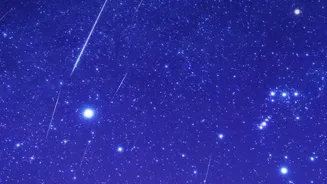
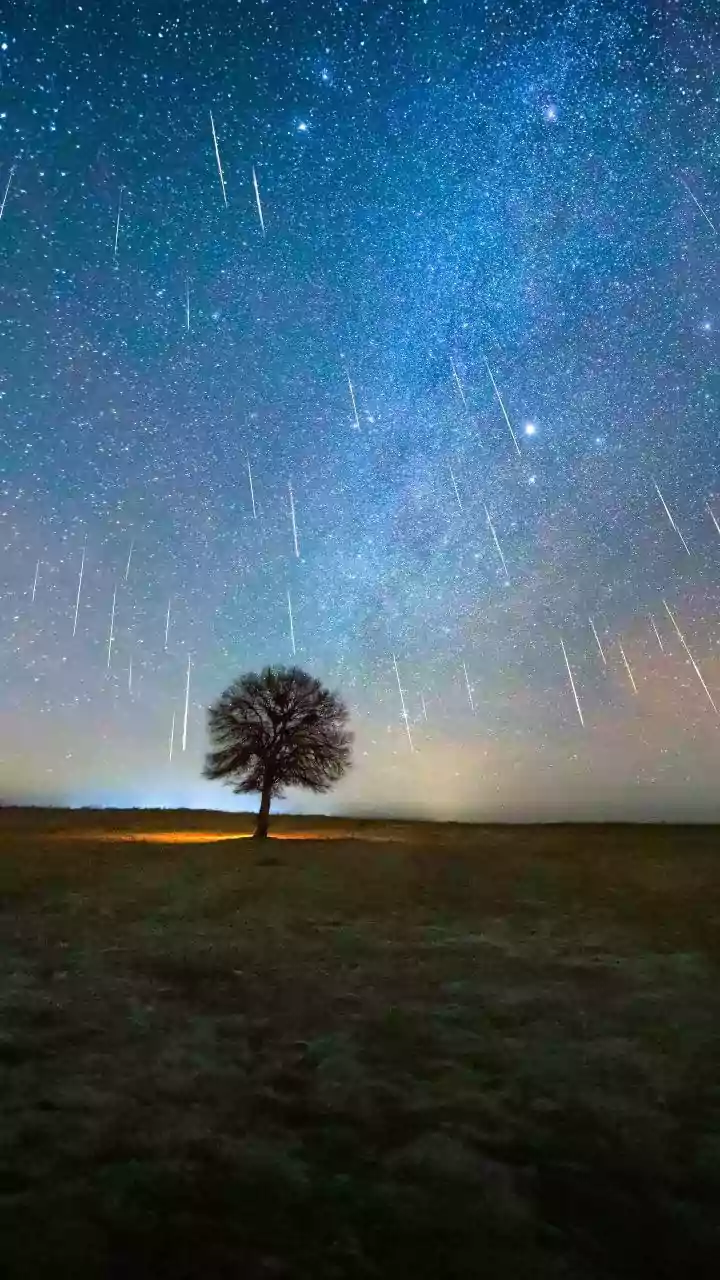
this trail of dusty debris. When these particles, some no bigger than a grain of sand, hit our atmosphere at incredible speeds—about 66 kilometres per second—they burn up and create the brilliant streaks of light we call meteors or 'shooting stars'. They are named Orionids because they appear to radiate from a point near the famous constellation of Orion the Hunter.
Mark Your Calendar: The Best Time to Watch
The Orionid meteor shower is active for a few weeks, from early October to early November. However, the best time to watch will be during its peak, which in 2026 occurs in the pre-dawn hours of October 21st and 22nd. The absolute prime viewing window is after midnight, from about 3 a.m. until dawn. This year, there will be a fairly bright moon, but the good news is that it is expected to set around 3 a.m. on the peak mornings, leaving the sky much darker for optimal viewing. So, set an early alarm, grab a warm drink, and get ready for the show.
Beating the City Lights: Your Urban Strategy
This is the biggest challenge for any city-based stargazer. The constant glow of streetlights, buildings, and traffic, known as light pollution, can wash out all but the brightest meteors. But don't lose hope. Your goal is to find the darkest possible spot you can safely access. This could be a large park, a university campus, or even the rooftop of a tall building, provided it offers a wide, open view of the sky away from direct lighting. If you can, consider a short drive to the city's outskirts where the sky will be significantly darker. Even getting to a spot with 30 minutes less light pollution can dramatically increase the number of meteors you'll see.
No Gear, No Problem: How to Get Comfortable
The best tool for watching a meteor shower is simply your own eyes. Telescopes and binoculars actually work against you because they have a very narrow field of view, and you want to see as much of the sky as possible. The key is comfort. Instead of gear, bring a thick blanket, a yoga mat, or a reclining lawn chair to lie back on. This prevents a sore neck and allows you to gaze upwards for an extended period. Dress in warm layers, as even Indian nights can get chilly in late October, especially in the early morning hours. Pack some snacks and maybe a flask of hot tea or coffee to make the experience more enjoyable.
The Secret Weapon: Patience (and No Phones)
Once you've found your spot and are settled in, the most important thing to do is wait. It takes about 20 to 30 minutes for your eyes to fully adapt to the darkness, allowing you to see fainter meteors. This means you must resist the urge to check your phone. The bright screen will instantly ruin your night vision, and you'll have to start the adjustment process all over again. Meteor showers are not a constant downpour; they come in spurts. You might see a few in quick succession, followed by a lull. So, lie back, relax, and just watch the sky. The longer you look, the more you are likely to see.