


A Divine Blueprint for Three Giants
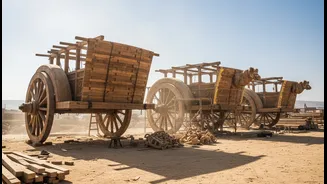
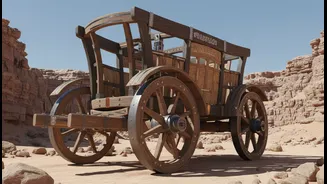
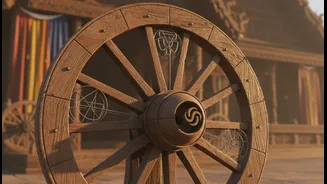
The Rath Yatra involves not one, but three distinct chariots, each with its own name, design, and divine occupant. Lord Jagannath's chariot, Nandighosha, is the largest, standing about 45 feet tall with 16 massive wheels. It is draped in vibrant red and yellow
cloth. Lord Balabhadra's chariot, Taladhwaja, is slightly smaller at 44 feet, has 14 wheels, and is covered in red and bluish-green fabric. The smallest of the three, Darpadalana, belongs to Devi Subhadra. It stands around 43 feet high, has 12 wheels, and is adorned with red and black cloth, colors traditionally associated with Shakti. Each chariot is a moving temple, meticulously designed according to specifications that have remained unchanged for centuries.
The Sacred Process Begins with Wood
The entire construction is a deeply ritualistic process that begins months before the Yatra. The formal start of construction happens on the auspicious day of Akshaya Tritiya, typically in April or May. However, the journey of the wood starts much earlier. Specific trees like Phasi, Dhausa, and Asana are identified in the forests of former princely states like Dasapalla and Ranapur. The Odisha government supplies these logs, numbering over a thousand, free of cost. The process is steeped in ceremony; priests deliver divine garlands (Agyan Mala) to the construction yard, and a holy fire ritual (yajna) is performed to sanctify the wood and the tools before the first cut is made.
Hereditary Hands, No Written Plans
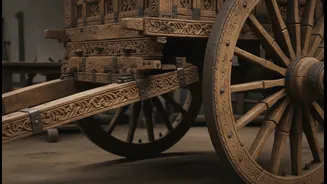
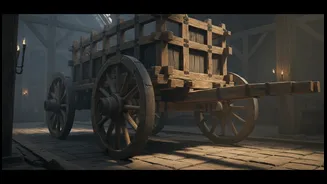
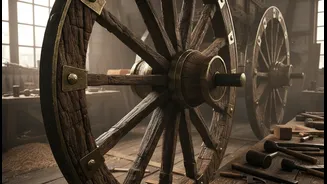
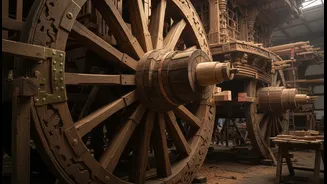
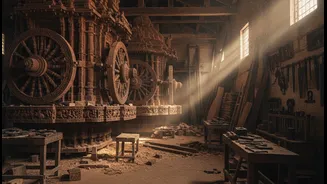
Perhaps the most astonishing aspect of the chariot construction is that it is done without any modern blueprints, manuals, or power tools. The knowledge is entirely hereditary, passed down through generations of artisan families known as sevayats. Several specialist teams collaborate on the task. The Maharana sevayats are the master carpenters responsible for the main construction. The Kamara sevaks, or blacksmiths, forge every single nail, clamp, and iron fitting by hand in a temporary workshop. Other groups include the Chitrakars (painters) who adorn the chariots with traditional motifs and deities, and the Darji sevayats (tailors) who stitch the massive cloth canopies.
Ancient Measurements and Assembly
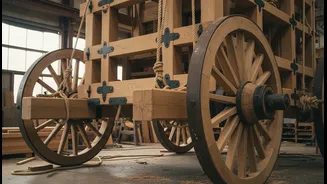
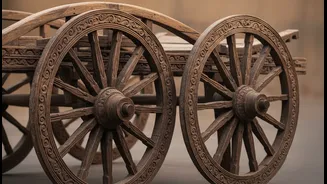
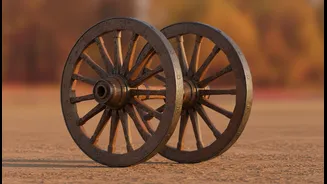
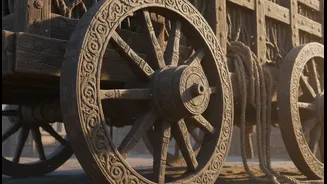
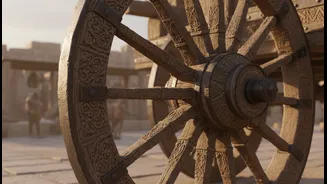
In place of modern measuring tapes, the carpenters use an ancient system of measurements based on hand and finger widths, known as 'haat' and 'anguli'. This traditional knowledge ensures every piece fits perfectly. The construction follows a set sequence over 58 days. Work begins with the 42 wheels required for the three chariots, which are then fixed to the axles. The main platforms are assembled before the towering superstructures, known as 'rathas', are raised. The entire assembly uses traditional joinery techniques, with wooden components and iron clamps holding the massive structures together without a single modern screw. It's a testament to the precision of a craft perfected over centuries.
More Than Just Construction
The creation of the chariots is not just a building project; it is a sacred seva, or service, to the deities. The artisans work with immense devotion, often for nominal pay, considering the work a divine blessing. Each chariot is adorned with specific elements: Nandighosha is guarded by Garuda, Taladhwaja has a palm tree emblem, and each is pulled by four wooden horses of a specific color—dark for Jagannath, white for Balabhadra, and red for Subhadra. The Chitrakars paint nine 'Parsva devatas' (subsidiary deities) for the sides of each chariot, adding layers of theological significance to the structure. This intricate decoration transforms the wooden frames into vibrant, moving representations of faith.