





As travellers seek more authentic experiences, a quiet revolution is reshaping India's countryside. The rise of diversified tourism is transforming rural areas into vibrant destinations, creating new economic opportunities far from the urban hustle.
Beyond Agriculture: A New Economic Blueprint
For
generations, rural economies were almost entirely dependent on agriculture. Today, a new model is emerging: agritourism. This involves blending agricultural life with tourism to attract visitors and generate new income. It's a strategic pivot from relying solely on crop yields to creating experiential products. Farmers are turning their properties into destinations, offering everything from organic farming workshops and tractor rides to serene accommodation. This diversification acts as a crucial buffer against agricultural uncertainties like climate shifts and market fluctuations, providing a more stable economic foundation for farming communities. The Indian agritourism market is projected to grow significantly, reflecting a broader trend towards sustainable and experience-based travel.
The Farm-Stay Phenomenon
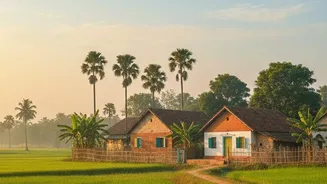
Farm-stays are at the heart of this transformation, offering much more than just a place to sleep. They are immersive experiences where guests can participate in farm activities, enjoy fresh, farm-to-table meals, and reconnect with nature. For farmers, this translates into multiple revenue streams. Beyond accommodation fees, they earn from selling farm-fresh produce directly to guests, offering paid activities like pottery or cooking classes, and creating value-added products like jams and pickles. This model ensures that a larger portion of tourist spending remains within the local community. Success stories are cropping up across the country, from Maharashtra, a pioneer in agritourism, to states like Punjab and Uttar Pradesh, which are now actively promoting farm-stay policies to bolster rural incomes.
Local Guides: The Storytellers of Rural India
In this new tourism landscape, local guides are indispensable. They are not just navigators but cultural interpreters and storytellers who provide visitors with deep, authentic insights into a region's heritage, traditions, and hidden gems. By hiring a local guide, travellers gain access to experiences that aren't in any guidebook, from exploring biodiversity hotspots to learning about ancient architecture from the community that preserves it. This creates a valuable, well-paying profession that doesn't require leaving the village. These guides ensure that the narrative of a place is told by its own people, fostering a richer cultural exchange and preventing the commodification of local heritage. Their expertise turns a simple visit into a memorable and educational journey, encouraging longer stays and deeper engagement.
The Economic Ripple Effect
The benefits of diversified tourism extend far beyond the farm owner or the individual guide. This economic activity creates a powerful ripple effect, or multiplier effect, throughout the community. When a farm stay sources food from neighbouring farmers, hires local artisans for construction, or partners with local transport providers, the money circulates and multiplies within the village economy. This leads to job creation in hospitality, food services, and handicrafts, empowering women and youth with local employment opportunities and helping to curb migration to urban centres. Villages recognised for their tourism initiatives, such as Khonoma in Nagaland and Talao in Haryana, demonstrate how this integrated approach can lead to widespread community prosperity and sustainable development.
Challenges and the Path Forward
Despite its immense potential, the road to a thriving rural tourism economy is not without its obstacles. Key challenges include a lack of awareness among both farmers and tourists, inadequate infrastructure like poor roads, and complex regulatory hurdles. Many small scale operators also face financial constraints and have limited knowledge of marketing and business management. To overcome this, coordinated support is crucial. Government initiatives like the Swadesh Darshan Scheme and state level policies in places like Uttar Pradesh and Punjab are beginning to provide subsidies training and streamlined registration processes. For this sector to truly flourish continued investment in rural infrastructure skill development and digital marketing support will be essential to connect these unique rural experiences with a wider audience.