





Why Do Muscles Cramp?
Muscle cramps are intense, involuntary muscle contractions that can be both surprising and painful. While the exact cause isn't always clear, several factors are known to contribute. One of the most common culprits, especially for active individuals,
is an imbalance of electrolytes due to dehydration and sweating. Overexertion, muscle fatigue from a new or intense workout, or even holding a single position for too long can also trigger a cramp. Essentially, when muscles are stressed and lack the right balance of fluids and minerals, their normal process of contracting and relaxing can go haywire, leading to a painful spasm.
The Crucial Role of Electrolytes
Electrolytes are minerals that carry an electric charge and are vital for many of your body's most essential functions. Think of them as the body's electrical messengers. Minerals like potassium, sodium, magnesium, and calcium are crucial for nerve signaling, maintaining fluid balance, and, most importantly here, proper muscle function. Potassium, for instance, is essential for helping muscles contract and relax smoothly, while magnesium also plays a key role in muscle relaxation. When you sweat during exercise or on a hot day, you lose both water and these critical electrolytes. If they aren't replenished, the imbalance can disrupt nerve signals to the muscles, making cramps more likely.
Coconut Water's Electrolyte Profile
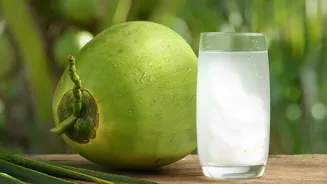
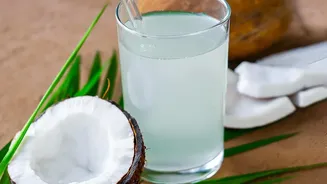
This is where coconut water enters the conversation. Hailed as 'nature's sports drink', it's a natural source of electrolytes. Its standout feature is its remarkably high potassium content. A single cup of coconut water can contain around 600 mg of potassium, which is more than the average banana. It also contains other electrolytes like magnesium, calcium, and a small amount of sodium. However, it's important to note that coconut water is much higher in potassium than it is in sodium. While typical sports drinks are formulated to have higher sodium levels to replace what's primarily lost in sweat, coconut water offers a different, more potassium-forward balance.
How It May Help Prevent Cramps
Given that a lack of potassium can contribute to cramps, drinking coconut water can be a great way to top up your levels and support proper muscle function. By supplying the body with this key electrolyte, you can help maintain the balance needed for your muscles to contract and relax as they should. Some research suggests that when athletes hydrated with an electrolyte beverage similar to coconut water after intense exercise, they were less susceptible to muscle cramps compared to when they drank plain water. The idea is that by providing your muscles with extra potassium before and after activity, you might prevent the electrolyte loss that can lead to cramps in the first place.
A Natural Tool, Not a Magic Cure
While coconut water is a fantastic source of potassium, it's not a magic bullet for all muscle cramps. For light to moderate exercise, its natural electrolytes and hydrating properties can be beneficial. However, for long or intense workouts where you sweat heavily, its low sodium content might not be enough to fully replace what you've lost. Studies comparing coconut water to sports drinks and plain water often show mixed results, with no single beverage being definitively superior for rehydration in all scenarios. Some people have also reported bloating or stomach upset with large amounts of coconut water. The best approach is to see it as one tool in your hydration toolkit, excellent for potassium but perhaps needing to be paired with a sodium source after a very strenuous session.