







The Whey Protein Benchmark
For decades, whey protein has been the go-to supplement for athletes and gym-goers aiming to build muscle. Derived from milk during the cheesemaking process, its reputation is built on solid nutritional science. Whey is a 'complete' protein, meaning it contains
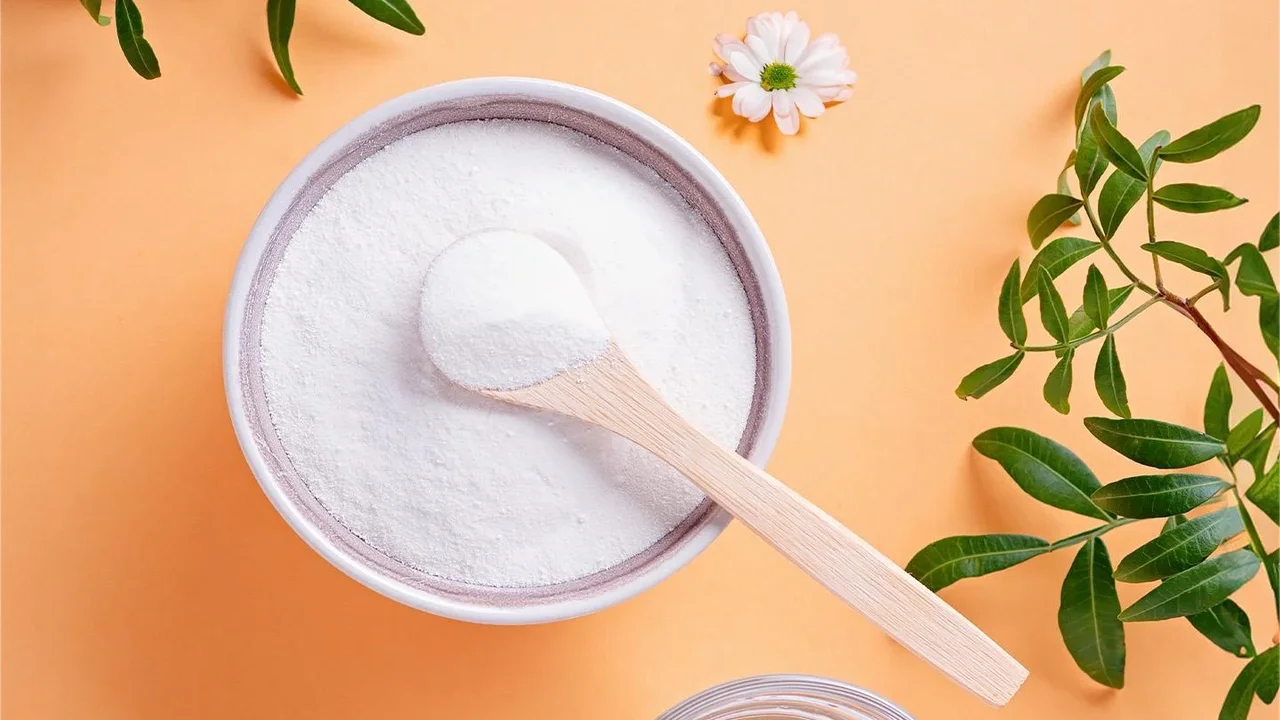
all nine essential amino acids (EAAs) that the body cannot produce on its own. These EAAs are the fundamental building blocks for muscle repair and growth. Furthermore, whey is particularly high in leucine, a branched-chain amino acid (BCAA) that acts as the primary trigger for muscle protein synthesis—the process of building new muscle. Its rapid absorption rate means these crucial amino acids get to your muscles quickly after a workout, making it an efficient tool for recovery and growth. This combination of a complete amino acid profile, high leucine content, and fast digestion has long made it the benchmark against which all other protein powders are measured.
Deconstructing the 'Incomplete' Protein Myth
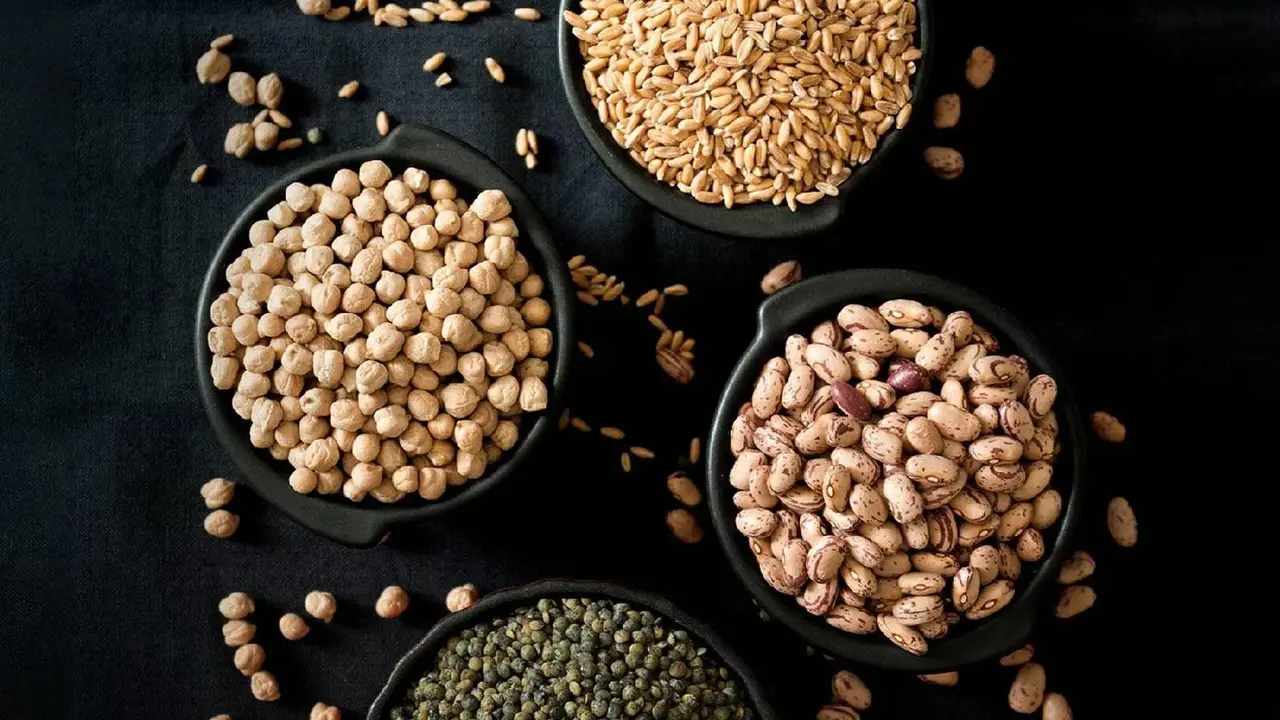
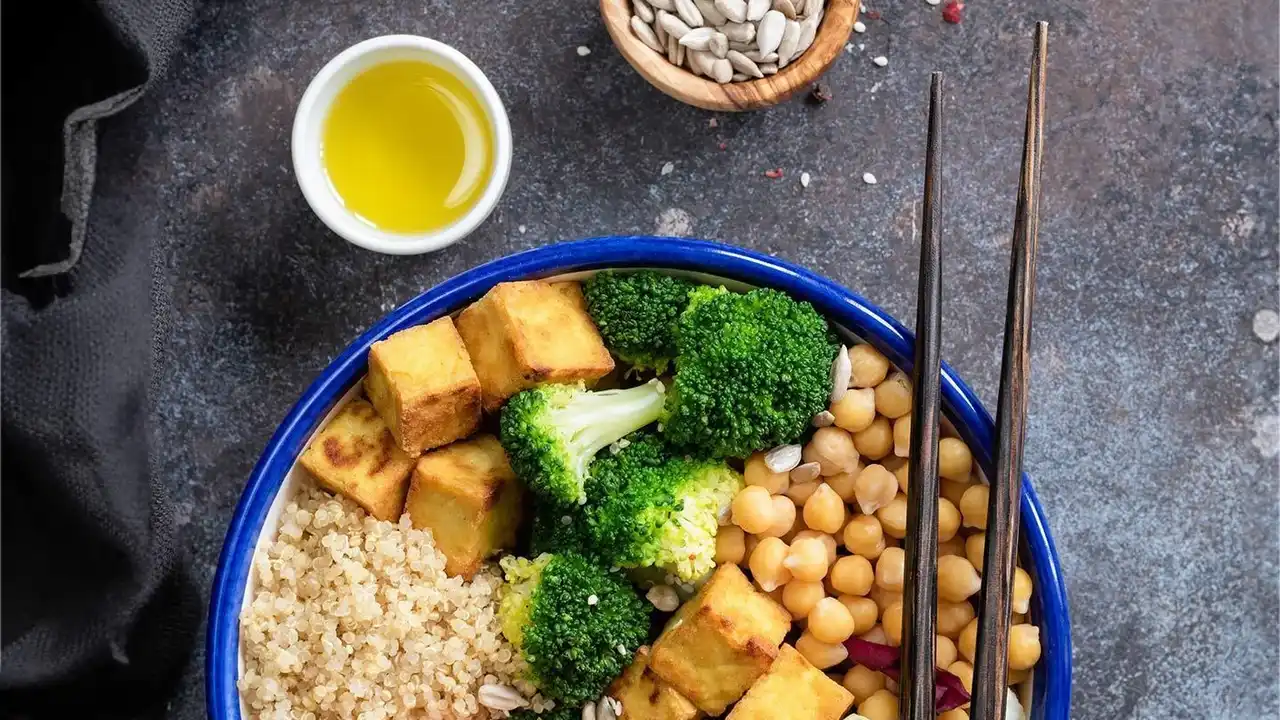
A common concern about plant-based diets is protein quality, specifically the idea that most plant sources are 'incomplete'. Historically, this has been a valid point; many individual plant proteins are low in one or more essential amino acids. For example, pea protein is lower in the amino acid methionine, while rice protein is lower in lysine. However, this doesn't mean vegans are destined for subpar results. The solution is simple and effective: protein blending. By combining different plant sources, such as pea and brown rice protein, manufacturers create a synergistic blend that provides a complete and robust amino acid profile. This combination easily overcomes the limitations of any single source, resulting in a powder that delivers all the necessary building blocks for muscle hypertrophy, much like whey.
Leucine: The Anabolic Trigger
Leucine is arguably the most critical amino acid for stimulating muscle growth. Whey protein's natural abundance of leucine is a key reason for its effectiveness. While it's true that most plant proteins contain less leucine than whey on a gram-for-gram basis, this gap is no longer a significant obstacle. Scientific studies have shown that as long as a certain threshold of leucine (typically 2-3 grams) is consumed in a serving, the anabolic (muscle-building) response is maximized. High-quality plant protein isolates, especially from pea, are surprisingly rich in BCAAs. To match whey's leucine content, you might simply need a slightly larger scoop of plant protein or choose a blend specifically fortified with leucine. Recent research has confirmed that when leucine content is matched, plant-based protein blends can stimulate muscle protein synthesis just as effectively as whey.
Digestion, Absorption, and Added Benefits
Whey is known for its fast absorption, but that isn't the only factor in muscle growth. Plant proteins are often digested more slowly, partly due to their natural fiber content. This can be an advantage, providing a more sustained release of amino acids to the muscles over a longer period. While the bioavailability of some plant proteins was historically a concern, modern processing techniques have greatly improved their digestibility. Furthermore, plant-based powders offer unique benefits. They are naturally free of lactose, making them an excellent choice for the large number of people who experience digestive issues like bloating and discomfort from dairy-based whey. Plant sources also often contain additional micronutrients, antioxidants, and fiber that contribute to overall health and improved digestion.
Real-World Results: The Science Says It All
The ultimate test is whether these powders deliver tangible results. An expanding body of research shows they do. Multiple studies comparing groups of individuals on resistance training programs have found no significant difference in muscle gain or strength increases between those supplementing with plant protein versus those using whey. One 12-week study found that both pea and whey protein promoted similar gains in muscle thickness. Another concluded that a vegan diet high in mycoprotein supported muscle growth to the same extent as a high-protein omnivorous diet. The consensus from sports scientists is clear: as long as you consume enough total protein and hit the necessary leucine threshold, the source of that protein becomes far less important. Vegan athletes can confidently build muscle just as effectively as their omnivorous counterparts.