







Why Wet Hair Is So Vulnerable
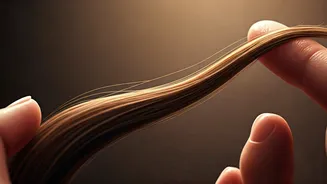
Before we dive into the mistakes, it’s crucial to understand why wet hair needs special treatment. When your hair is dry, it is protected by overlapping scales called the cuticle layer. But when you wash your hair, it absorbs water and swells up. This
process temporarily breaks the weaker hydrogen bonds within the hair’s protein structure, making each strand significantly more elastic and fragile—think of it like a wet paper towel versus a dry one. The swollen state also causes the protective cuticle scales to lift up, leaving the inner core of the hair exposed and susceptible to damage from friction, heat, and tension. Essentially, your hair is at its weakest when it's wet, which is why your post-shower routine is so critical for its long-term health.
Mistake 1: Rough Towel Drying
The most common post-shower habit is often the most damaging. Vigorously rubbing your hair with a standard cotton towel or twisting it into a tight turban creates an immense amount of friction. Those raised, delicate cuticles get snagged, shredded, and torn by the rough towel fibres, leading directly to frizz and breakage. The aggressive twisting action also puts a severe strain on the already weakened hair shaft, especially at the roots.
**The Fix:** Ditch the vigorous rubbing. Instead, gently squeeze and blot the excess water from your hair using a soft microfiber towel or even an old, clean cotton t-shirt. These materials are much smoother and will absorb moisture without roughing up the hair’s cuticle. This simple switch dramatically reduces friction and helps keep your hair shaft intact.
Mistake 2: Brushing from Root to Tip
Reaching for your brush and yanking it from the roots down through wet, tangled hair is a recipe for disaster. This action forces all the small tangles down the hair shaft, compacting them into one large, unmanageable knot at the bottom. When the brush hits this knot, the force you apply has nowhere to go but sideways, snapping the fragile, wet hair strands. It’s one of the fastest ways to cause split ends and uneven breakage all over your head.
**The Fix:** Always detangle from the bottom up. Start by gently combing through the last few inches of your hair. Once the ends are tangle-free, move a few inches higher and repeat the process, gradually working your way up to the roots. This method gently removes knots without putting stress on the hair shaft.
Mistake 3: Using the Wrong Tool
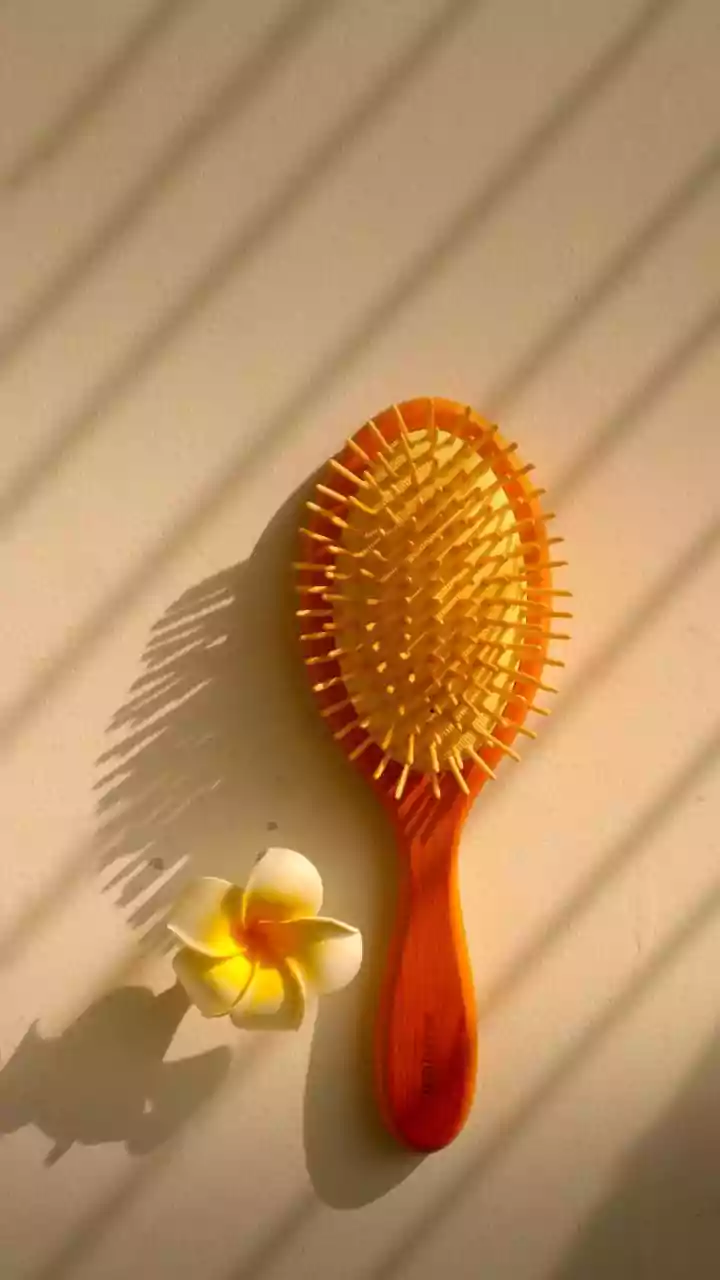
Not all tools are created equal, especially when it comes to wet hair. A dense boar bristle brush, which might be great for styling dry hair, will snag and rip through wet strands. Similarly, fine-tooth combs don’t have enough space between their teeth to navigate tangles without causing breakage.
**The Fix:** The best tool for the job is a wide-tooth comb or a brush specifically designed for wet hair. These tools have widely spaced, flexible bristles that can glide through tangles with minimal resistance. For extra slip and protection, apply a leave-in conditioner or detangling spray before you start. This provides a lubricating barrier that helps the comb move through your hair smoothly, preventing unnecessary pulling and snapping.
Mistake 4: Applying High Heat Immediately
Going directly from a soaking wet head to a blow-dryer on its highest heat setting is extremely damaging. When you apply intense heat to very wet hair, the water trapped inside the hair shaft rapidly turns to steam and expands. This process, sometimes called “bubble hair,” creates literal bubbles within the hair fibre that weaken it from the inside out, leading to chronic breakage and a brittle texture.
**The Fix:** Be patient. Let your hair air-dry at least 60-70% of the way, or use your soft towel to blot it until it’s just damp, not dripping. When you do use a blow-dryer, apply a heat protectant spray first, use the lowest heat setting you can, and keep the nozzle moving to avoid concentrating heat on one spot for too long.
Mistake 5: Tying It Up Tightly
Pulling your wet hair back into a tight ponytail, a high bun, or a restrictive braid can feel convenient, but it puts your hair under immense strain. The hair is already in a weak, elastic state, and the sustained tension from the hair tie can cause it to stretch beyond its breaking point. This is particularly damaging around the hairline, where the hair is often finer and more prone to what’s known as traction alopecia—hair loss caused by constant pulling.
**The Fix:** If you need to get your wet hair out of your face, opt for a loose braid tied with a gentle silk or satin scrunchie, or use a large claw clip to secure it loosely. Avoid traditional elastic bands with metal clasps, which are notorious for snagging and breaking hair.