








India’s Real Finance Minister
For centuries, the Southwest Monsoon has been dubbed India’s “real finance minister.” It’s a title that holds true even today. The annual rains are the lifeblood of the nation's agriculture sector, which, despite its shrinking share of the GDP, still
provides a livelihood for nearly half the population. A good monsoon means a healthy harvest for crucial kharif (summer) crops like rice, pulses, and oilseeds. This boosts farm incomes, fuels rural demand for everything from tractors to fast-moving consumer goods, and keeps food prices stable. Conversely, a weak or erratic monsoon can trigger a cascade of negative effects: lower crop yields, rural distress, and a spike in food inflation that hurts every household.
The 2026 Monsoon Report Card
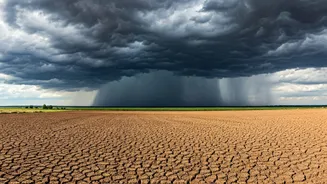
This year, the monsoon's performance has become a cause for concern. After a significantly delayed start, June 2026 ended as one of the driest in over a century, with a nationwide rainfall deficit of nearly 40%. Looking ahead, the India Meteorological Department (IMD) has forecast that rainfall in July—the most critical month for the monsoon—is also likely to be below normal, at less than 94% of the long-period average. This is attributed to the strengthening El Niño conditions over the Pacific Ocean, a weather pattern historically linked to weaker monsoons in India. While the monsoon has advanced across several states, its overall weakness is a worrying trend for economists and policymakers.
From Fields to Food Prices
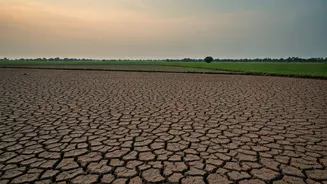
The immediate impact of the weak rainfall is visible in the fields. As of late June, the total area sown under kharif crops was down by nearly 23% compared to the same period last year. Key crops have seen significant declines in planting, with paddy acreage down by over 25%, oilseeds by 53%, and cotton by over 34%. This delay and reduction in sowing directly threaten agricultural output. Lower production leads to supply shortages, which inevitably pushes up food prices. This is the primary channel through which a poor monsoon affects the budget of the common person and complicates the Reserve Bank of India's efforts to control inflation. RBI officials have already noted that an adverse monsoon could weigh heavily on the country's growth and inflation outlook.
The Government's Budgetary Balancing Act
A deficient monsoon puts immense pressure on the government's finances. On one hand, lower agricultural growth and subdued rural incomes can lead to lower tax collections. On the other hand, the government faces increased pressure to spend more on relief measures, such as crop insurance payouts, subsidies for farmers, and potentially importing food to shore up supplies and control prices. The Finance Ministry, in its latest monthly economic review, has flagged the weak monsoon as a concern, noting that building water buffers may become a top policy priority. While the ministry points to structural reforms that have made the economy more resilient, it acknowledges that the monsoon's performance remains critical.
What It Means for Your Wallet
The chain of events starting from a weak monsoon doesn't end at the farmer's field or in the corridors of the Finance Ministry. It directly impacts your household budget. The most immediate effect is higher prices for essentials like vegetables, pulses, and grains. Furthermore, sustained high food inflation can prevent the RBI from cutting interest rates, which keeps borrowing costs for homes, cars, and businesses elevated. Lower hydropower generation due to poor rains can also strain the power grid and potentially increase electricity costs. In essence, the clouds that gather—or fail to gather—in July have a direct bearing on the economic health of the nation and the financial well-being of every citizen.