






The Paperless Shift in Travel
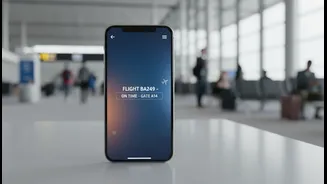
Gone are the days of bulky folders stuffed with paper. From flight tickets and hotel confirmations to itineraries and even official IDs, the move to digital is undeniable. For domestic travel within India, this shift is already well-established. Government-approved
apps like DigiLocker and mAadhaar allow travelers to present digital versions of their Aadhaar, PAN card, and driving license at airports. This not only reduces the chance of losing crucial papers but also streamlines the check-in process, as seen with initiatives like India's Digi Yatra, which uses facial recognition linked to a digital ID for a seamless airport experience. The primary benefits are clear: convenience, enhanced security against theft, and less to carry.
Your Digital Document Checklist
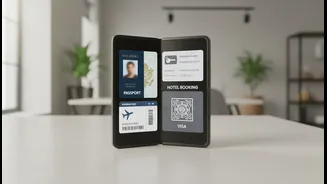
While the dream of a fully digital international passport is still in its pilot phase in countries like Finland and Singapore, you can digitize most of your other essential documents today. Start by creating a secure digital folder on your phone and a cloud service like Google Drive or Dropbox. Scan and save high-quality copies of your: Passport and Visa, Driver's License, Aadhaar and PAN card, Flight tickets and boarding passes, Hotel and rental car confirmations, Travel and health insurance policies. For domestic flights in India, documents in DigiLocker's 'Issued Documents' section are accepted as valid ID. However, be aware that for international travel, a physical passport remains mandatory.
Keeping Your Digital Files Safe
Storing sensitive information on your phone requires a security-first mindset. Simply taking a photo of your passport and leaving it in your gallery is not enough. Use strong passwords and biometric locks (fingerprint or face ID) on your device. Store documents in encrypted cloud folders or secure apps that require a separate password or biometric verification. When traveling, avoid using public Wi-Fi for accessing sensitive files unless you are using a VPN, which encrypts your connection. It's also wise to enable the 'Find My Device' feature to remotely locate or wipe your phone if it's lost or stolen. For extra redundancy, share a copy of your most critical documents with a trusted family member back home.
The Future: Digital Travel Credentials
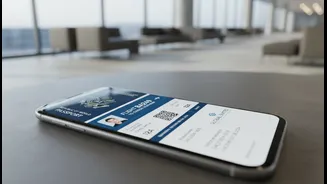
The next evolution is the Digital Travel Credential (DTC), a secure, interoperable digital version of your passport championed by the International Civil Aviation Organization (ICAO). A DTC is more than just a scan; it's a cryptographically signed file that lives on your phone and can be verified instantly without a central database, enhancing both speed and privacy. Pilot programs are already underway, allowing travelers to pre-share their information with airlines and border control, promising a future of seamless, biometric-powered journeys through airports. These systems aim to make identity verification faster and more secure than ever.
Don’t Ditch the Paper Just Yet
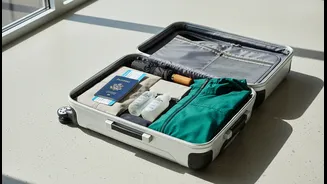
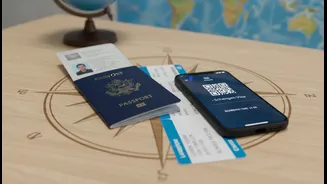
Despite the rapid digital progress, a fully paperless world is still some way off. The biggest risks of relying solely on digital documents are technological dependency—a dead battery, a lost phone, or a system glitch can leave you stranded. Furthermore, not all countries or even all airline staff are equipped to handle digital-only documents, especially for international travel. Scans or photos of your ID are often not accepted; verification usually requires an official app like DigiLocker. Therefore, the golden rule for now is to embrace digital for convenience but always carry physical copies of your most essential documents, like your passport, visa, and at least your first night's hotel confirmation, as a reliable backup. Think of it as an emergency parachute: you hope you won't need it, but you'll be glad you have it if you do.