



Choose a Certified Operator First
Before we even get to the gear, your most important safety decision is choosing a reputable, government-certified rafting operator. The rafting season is officially set to reopen from September 23, 2026, after a joint inspection team deemed the river
conditions safe. Licensed operators are mandated to provide high-quality safety equipment, experienced guides trained in rescue, and valid permits. Especially in the weeks following the monsoon when the river is still energetic, booking with a proven company is non-negotiable. Do not book with a roadside vendor who cannot provide credentials; your safety is worth the due diligence.
Essential Gear Provided by Your Operator
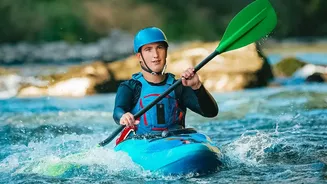
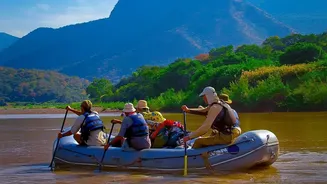
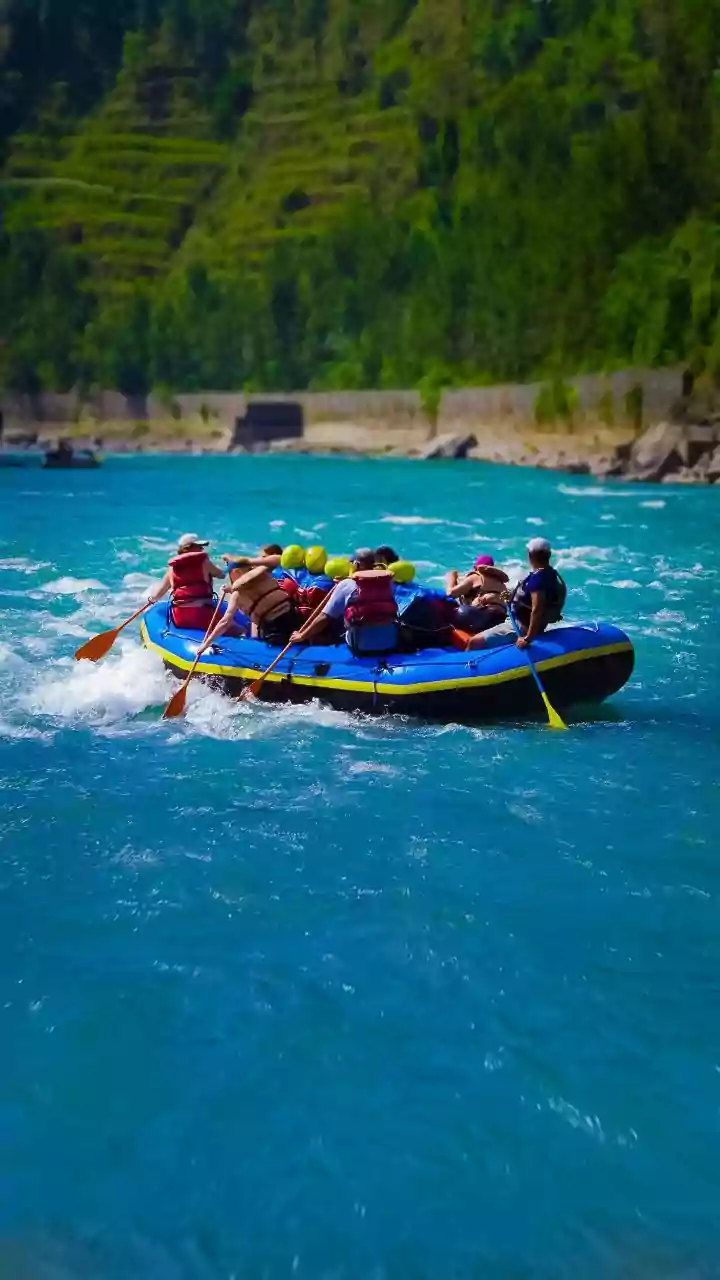
Once you've booked with a certified outfitter, they will provide the core safety equipment. Familiarise yourself with what they should be giving you. A high-quality Personal Flotation Device (PFD), or life jacket, is the most critical piece of gear. It must fit snugly and will be checked by your guide. This device is designed to keep you afloat if you fall into the water, even if you are not a strong swimmer. You will also be given a sturdy helmet to protect your head from injury. Finally, you will be handed a paddle and taught the proper techniques during the pre-trip safety briefing. Attending this briefing and listening to your guide’s commands on the water are just as important as the gear itself.
What to Wear: The Dos and Don'ts
What you wear can significantly impact your comfort and safety. The number one rule is to avoid cotton. Cotton clothing gets heavy and cold when wet, which can be uncomfortable and even risky. Instead, opt for quick-drying synthetic materials like polyester or nylon. A T-shirt and shorts made of these materials are ideal. For footwear, you need something that will stay securely on your feet. Old sneakers, river sandals with straps, or secure water shoes are all good options. Never, under any circumstances, wear flip-flops, as they will come off instantly in the rapids.
Your Personal Packing Checklist
While the operator covers the main safety gear, there are a few personal items you should bring. Sun protection is crucial; the sun's reflection off the water is intense. Pack a waterproof, high-SPF sunscreen, and a pair of sunglasses with a strap to keep them from flying off. A small waterproof dry bag is a great investment to protect your phone, wallet, or other small valuables. You should also bring a change of clothes and a towel to leave in the vehicle for after your trip. Since rafting is a physical activity, staying hydrated is important, so bring a reusable water bottle.
Late-Monsoon and Winter Specifics
Rafting in the post-monsoon period of September and October offers fantastic water levels, but the weather can start to get cooler. While not always necessary during the day, having a wind-resistant jacket for the drive to the put-in point or for after the trip is a good idea. As the season progresses into November and December, the water gets colder. For trips during these months, some operators may provide wetsuits, or you can bring your own. Additional layers like long-sleeved synthetic tops or polypropylene thermals can also add significant comfort during the colder parts of the season.
A Final Word on Safety
Rishikesh is one of the best places in the world for beginners to try rafting, with different stretches suitable for various skill levels. It is incredibly safe when proper protocols are followed. Always be honest with your guide about your fitness level, any medical conditions, and your swimming ability; non-swimmers can safely raft on certain stretches, but the guide must know beforehand. And finally, never consume alcohol or other intoxicants before your trip, as they impair judgment and are strictly prohibited for your safety and the safety of everyone on the raft.