



What Exactly Is the ‘Protein Push’?
The 'protein push' isn't a formal government campaign, but a cultural and commercial wave that has put this macronutrient in the spotlight. It's a combination of growing health awareness among consumers, aggressive marketing by food companies, and a public
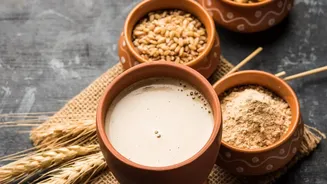
health conversation about nutrition gaps. You can see it in grocery aisles, with everything from protein-fortified atta and biscuits to high-protein milk and coffee flooding the market. Simultaneously, there's a renewed appreciation for traditional, naturally protein-rich foods like sattu and makhana. This trend is driven by a shift in consumer mindset from just counting calories to focusing on the quality of nutrition.
The Real Reason: India's Protein Deficiency Problem
The focus on protein isn't just a fad; it's rooted in a widespread health issue. Numerous studies and surveys have highlighted that a significant portion of the Indian population is protein-deficient. Some reports suggest that over 70% of Indians do not consume their recommended daily allowance of protein. This happens despite many traditional Indian diets being rich in lentils and dairy. The problem often lies in portion sizes and balance. A typical Indian meal can be heavy on carbohydrates like rice and roti, with the protein component, like a small katori of dal, being insufficient to meet daily needs. The average intake is often around 0.6 grams of protein per kilogram of body weight, falling short of the recommended amount.
How Much Protein Do You Actually Need?
Forget the complex calculations aimed at elite athletes for a moment. For the average person, the guideline from the Indian Council of Medical Research (ICMR) is a great starting point. The ICMR recommends a daily protein intake of 0.83 grams per kilogram of ideal body weight for a sedentary adult. This means a person weighing 65 kilograms needs about 54 grams of protein per day just to prevent deficiency. This requirement can increase based on your lifestyle. Moderately active individuals might need 1.0 to 1.2 grams per kg, while those engaged in intense workouts may need more. It’s also important to note that pregnant women and older adults have higher protein needs to support growth and prevent muscle loss, respectively.
Finding Protein in Your Everyday Indian Thali
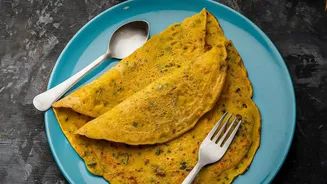
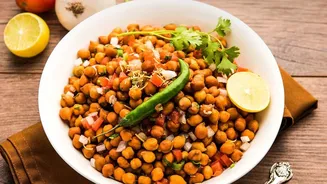
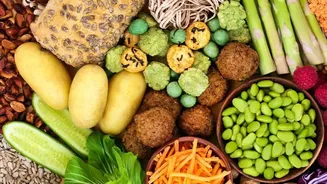
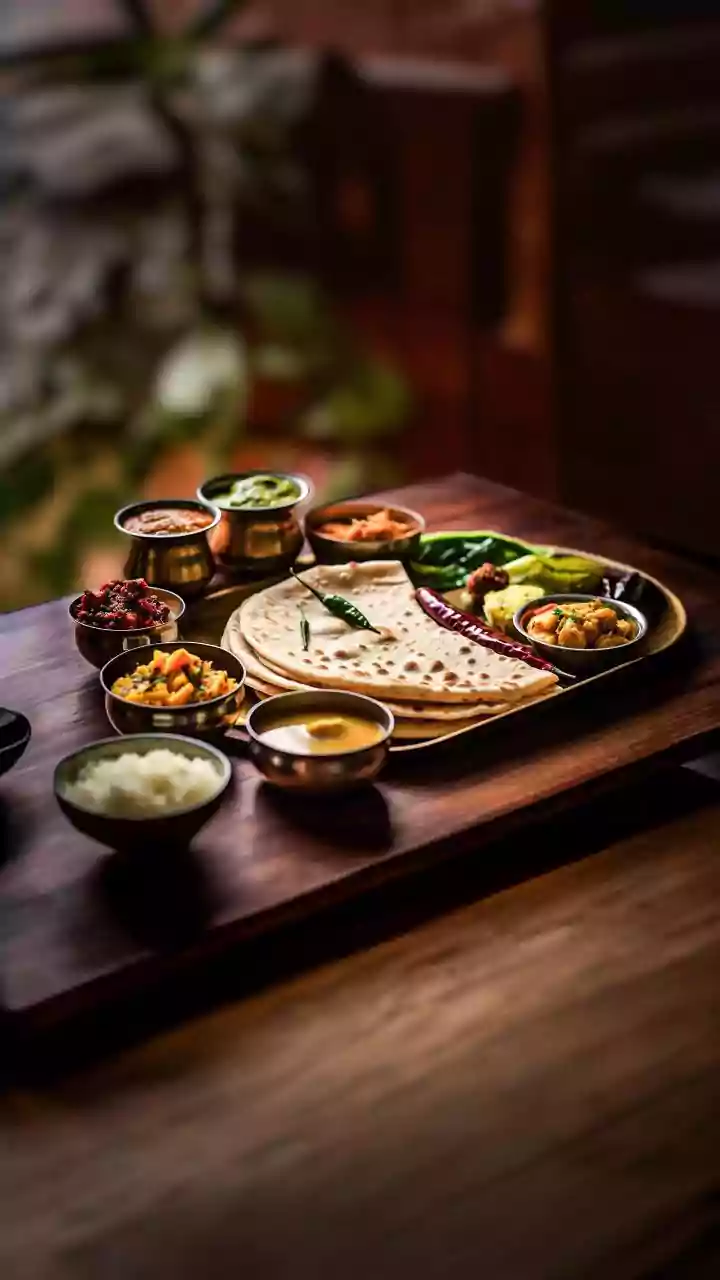
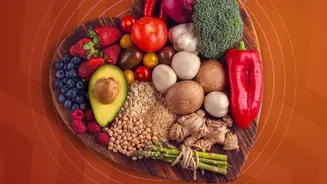
The good news is that you don’t need expensive or imported foods to meet your protein goals. The Indian kitchen is already full of excellent protein sources. For vegetarians, the options are plentiful. A single bowl (katori) of cooked dal like moong or masoor provides about 7-9 grams of protein. Other powerhouses include paneer (around 9 grams per 50g), a bowl of curd (7 grams), soya chunks (15 grams per 30g serving), chickpeas (chana), and kidney beans (rajma). For non-vegetarians, a single egg provides about 6 grams of high-quality protein, and chicken and fish are also excellent sources. The key is ensuring these items are a primary component of your meal, not just a small side dish.
Smart Ways to Boost Your Intake
Meeting your protein target is about making small, consistent adjustments. Instead of one large protein-heavy meal, aim to distribute your intake throughout the day. Start your day with a protein source like eggs, dahi, or sattu. At lunch and dinner, consciously increase the portion of your dal, paneer, or sabzi. Simple combinations can also make a big difference. Combining cereals and pulses, like in khichdi or eating dal with rice, creates a more complete amino acid profile. Snacking on a handful of roasted chana, peanuts, or almonds instead of carb-heavy options is another easy win.
A Note on Powders and Supplements
With the protein market booming, it's impossible to ignore the array of protein powders and bars available. While they can be convenient, they are not a necessity for most people. The ICMR has advised against the regular use of protein supplements for muscle building, emphasizing that a balanced diet is more beneficial. Whole foods provide a matrix of other essential nutrients like fiber, vitamins, and minerals that supplements lack. If your dietary needs can be met through food, that should always be the priority. Supplements may have a role for elite athletes or individuals with specific medical conditions, but they should be used with caution and ideally under the guidance of a healthcare professional.