

The Magic of a Late Monsoon Journey
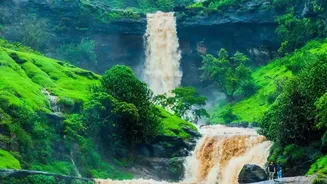
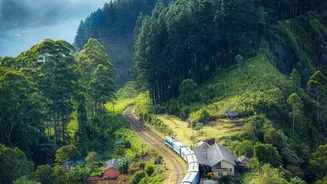
While the peak monsoon months of June to August offer dramatic rainfall, the late monsoon period of September and October holds a unique charm. The landscape, having soaked in months of rain, is at its most lush and vibrant. Hills are carpeted in a thousand
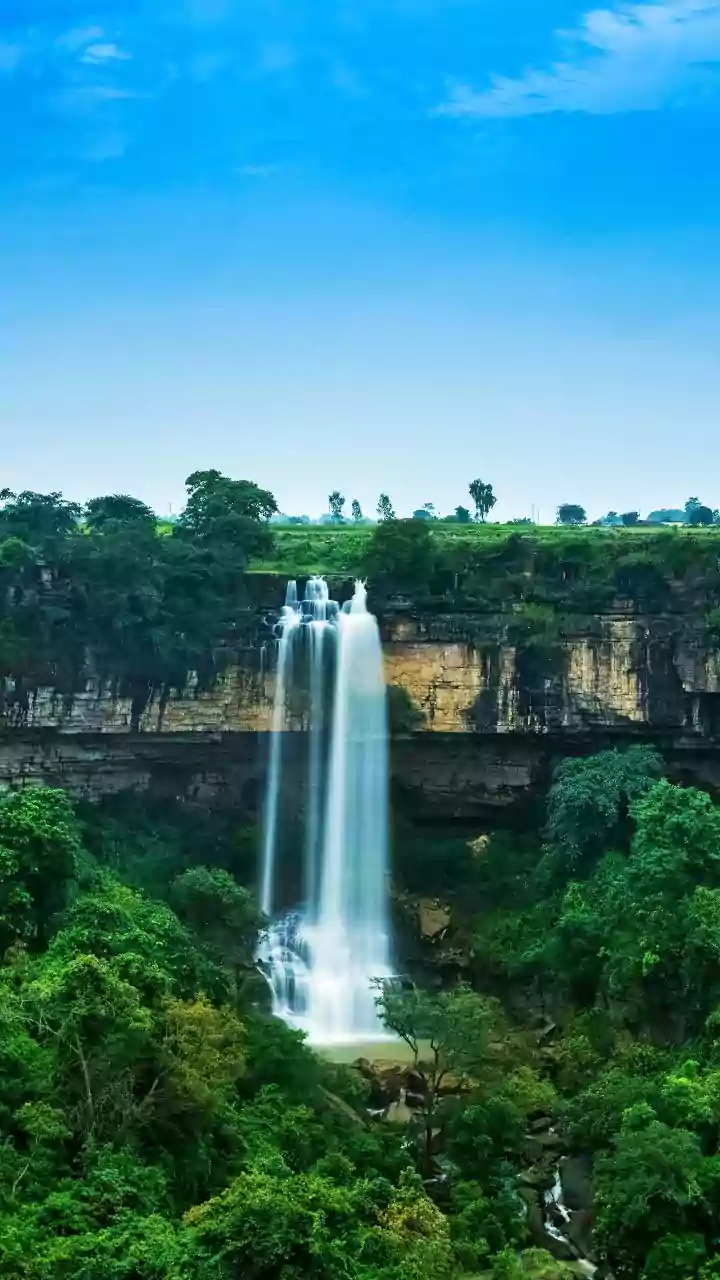
shades of green, seasonal waterfalls are still active, and rivers flow with vigour. This period often sees clearer skies than the peak monsoon, offering better visibility for the stunning vistas. As the tourist rush of the main season subsides, you get to experience the scenic splendour with a bit more tranquility and often at a lower cost, making it the perfect window for a budget-conscious traveller. Mist drifts through the valleys and the entire route feels like a journey through a living watercolour painting.
Picking the Right Train for Your Budget
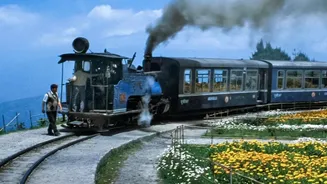
The Konkan Railway route is serviced by several trains, catering to different budgets. For a classic, budget-friendly experience, the Mandovi Express offers a daytime journey, perfect for soaking in the views. The Konkan Kanya Express is an excellent overnight option if you want to save on a night's accommodation. For a faster, more modern journey, the Tejas Express and Jan Shatabdi Express are great choices, though their fares might be slightly higher. To keep costs low, opt for Sleeper Class (SL) or Second Sitting (2S) coaches. Not only are these the most economical, but the open windows offer an unfiltered, immersive experience of the sights, sounds, and smells of the Konkan coast—something a sealed AC coach cannot provide. Booking tickets well in advance via the IRCTC website or app is crucial, especially for weekend travel, as these scenic routes are popular.
Iconic Scenic Vistas to Watch For
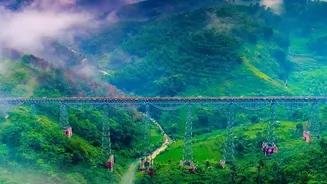
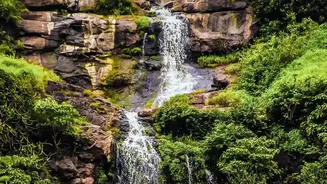
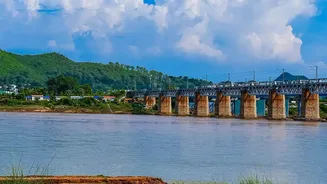
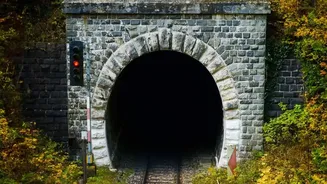
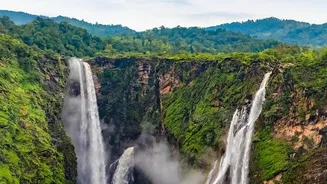
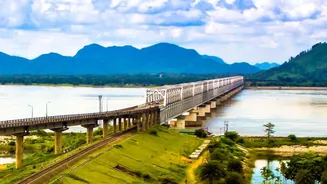
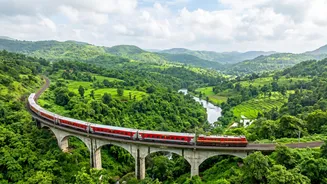
The entire 740-km route from near Mumbai to Mangaluru is an engineering marvel, boasting over 2,000 bridges and 91 tunnels. However, the stretch between Ratnagiri in Maharashtra and Madgaon in Goa is widely considered the most picturesque part of the journey. Be prepared for the Panvalnadi viaduct near Ratnagiri, one of Asia's tallest, which offers a dizzying and unforgettable view of the valley below. The route is famous for its many tunnels, including the 6.5 km long Karbude Tunnel, which plunge the train into darkness before opening up to another stunning green landscape. Just after the tunnels near Ukshi station, you can often spot numerous small waterfalls cascading down the hills. The crossings over the Zuari and Mandovi rivers in Goa are other major highlights, presenting wide, beautiful waterscapes.
Smart Tips for a Pocket-Friendly Trip
Beyond choosing an economical travel class, several other tricks can help you save money. Booking tickets 30-60 days in advance is the golden rule, as last-minute fares, especially on premium trains, can be significantly higher due to dynamic pricing. Instead of relying solely on expensive train catering, pack your own snacks and water for the journey. When disembarking to explore, eat at local eateries or 'khanavals' instead of hotel restaurants for authentic and affordable meals. For last-mile connectivity from railway stations like Ratnagiri or Kankavli, look for shared taxis or state transport buses, which are much cheaper than private cabs. If you plan to stay overnight, consider homestays or state-run MTDC resorts, which offer clean and budget-friendly accommodation.
Essential Packing and Pro Tips
A successful Konkan rail journey is all about being prepared. A window seat is non-negotiable for a scenic trip; when travelling south from Mumbai, the right-hand side generally offers better valley and sea views. Pack a light raincoat or umbrella, as late monsoon showers can be unpredictable. A power bank is a must-have to keep your phone and camera charged for all the photo opportunities. Wear comfortable footwear, especially if you plan to get off and explore. Finally, while the scenery is captivating, remember that trains on this route can sometimes run a little slower during the monsoon for safety reasons, so pack a little patience and simply enjoy the ride. The journey itself is the destination.