







The Domino Effect of a Downpour
This monsoon season has been particularly challenging for India's travel networks. It’s not just about a single delayed flight or a slow-moving train; it's about the cascading consequences. Heavy rain leads to reduced visibility at airports, waterlogging
on runways and tracks, and treacherous road conditions. A single disruption in a major hub like Mumbai or Delhi can trigger a domino effect, causing delays and cancellations across the entire country. Transportation timetables are tightly integrated, and when one part of the system fails, the ripple effects can last for hours, if not days.
Navigating Turbulent Skies
Air travel is often the first casualty of intense monsoon weather. Heavy rain, thunderstorms, and poor visibility can lead to a significant increase in flight delays and cancellations, with some airports seeing disruptions rise by up to 40% during peak monsoon months. Airlines are forced to divert flights, circle in holding patterns while waiting for conditions to improve, or cancel services altogether to ensure passenger safety. Lightning near an airfield can also halt ground operations like baggage handling and refuelling, adding to delays even if the runway itself is operational. This means that even if your departure city is sunny, your destination airport's weather could leave you stranded.
When Railway Schedules Get Washed Out
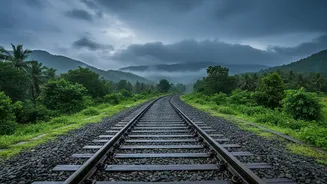
The Indian Railways, the lifeline of the nation, is not immune to the monsoon's fury. Heavy rainfall can lead to submerged tracks, forcing authorities to impose speed restrictions, which causes cascading delays across the network. In more severe cases, waterlogging can wash away the ballast under the tracks or trigger landslides, particularly in ghat sections, leading to widespread cancellations, diversions, and short-terminations of both passenger and express trains. While railways work to restore services, the sheer scale of the network means that returning to a normal schedule can be a slow process, leaving passengers waiting for hours.
The Perils of Road Travel
For those travelling by car or bus, the monsoon presents its own set of challenges. Heavy rains can make roads slippery and dangerous, reducing visibility and creating massive traffic jams. Waterlogging is a common problem in cities and on highways, hiding potholes and damaging road surfaces. In hilly regions, the risk of landslides is a constant threat, capable of blocking major routes for extended periods and cutting off destinations entirely. This makes road journeys unpredictable, and what is usually a short drive can easily turn into a day-long ordeal.
The Simple Solution: Building a Buffer
Given these widespread and interconnected issues, the most effective strategy for any traveller is to build generous buffers into their itinerary. If you're catching a connecting flight, especially through a major, rain-prone hub, booking a layover of four to five hours instead of the usual two could be the difference between making your next flight and being rebooked for the next day. The same logic applies to train journeys. If you have an important engagement, arriving a day early is a wise precaution. This extra time acts as a crucial insurance policy against the monsoon’s unpredictability.
More Tips for Monsoon Journeys
Beyond just adding time, a few other preparations can make your monsoon travel smoother. Pack light, quick-drying clothes and waterproof bags for your electronics and documents. Always check the weather forecast and live status of your flight or train before heading out. Choosing direct flights can help you avoid the risk of a missed connection. Finally, keep essentials like a power bank, snacks, and any necessary medications in your carry-on luggage, ensuring you’re prepared for unexpected delays.