







Why Humidity is a Different Beast
On a hot, dry day, your body has an efficient cooling system: sweat. As perspiration evaporates from your skin, it takes heat with it, helping to regulate your core temperature. [16, 19] But when the air is already thick with moisture—high humidity—that
evaporation process slows down dramatically. [2, 17] The air is too saturated to absorb the moisture from your skin. [3, 7] As a result, sweat clings to you, and your body has to work much harder to cool itself, often by producing even more sweat. [9, 19] This vicious cycle means you lose more fluids and vital minerals without getting the same cooling benefit, making dehydration a far greater risk than you might realise. [13, 21]
Thirst Is Not a Reliable Guide
The old advice to “drink when you’re thirsty” doesn’t always apply in humid conditions. Thirst is often a delayed signal that your body is already on its way to being dehydrated. [4] In high humidity, this sense can be even less reliable. [13] Because sweat isn't evaporating effectively, your skin remains wet, which can trick your brain into thinking you are cooler and more hydrated than you actually are. [3] Relying on thirst alone can lead you to fall behind on your fluid needs. A better indicator is the colour of your urine; it should be a pale, straw-like yellow. [11] Dark yellow urine is a clear sign you need to drink more fluids immediately. [6]
Beyond Water: The 'Smart' in Hydration
While water is essential, smart hydration during humid weather means thinking about what you're losing in your sweat: not just water, but crucial electrolytes like sodium, potassium, and magnesium. [2] These minerals are vital for nerve function, muscle contractions, and maintaining fluid balance. [13] Simply chugging plain water can sometimes dilute the remaining electrolytes in your system, which can be counterproductive. [3] Instead, focus on replenishing both fluids and minerals. Natural choices are often best. Coconut water is excellent as it's naturally rich in potassium and other electrolytes. [12, 14] Traditional Indian drinks like nimbu pani (with a pinch of salt), buttermilk (chaas), and aam panna are also fantastic for restoring this balance. [20, 23] An Oral Rehydration Solution (ORS) is also a highly effective option if you've been sweating heavily.
Eat Your Water
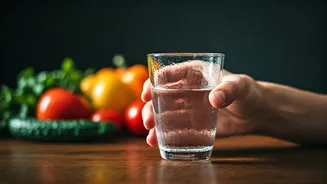
Hydration doesn't only come from what you drink. Many foods have a high water content and can significantly contribute to your daily fluid intake. [25] Incorporating these into your meals is a clever and delicious way to stay topped up. Fruits and vegetables are your best allies here. Cucumbers and lettuce are over 95% water. [11] Watermelon, true to its name, is about 92% water and also contains valuable antioxidants. [15, 25] Other great choices include strawberries, oranges, tomatoes, and celery. [11, 24] These foods not only provide water but also vitamins and minerals, helping to nourish your body while you hydrate.
Know the Warning Signs
It’s crucial to recognise the early signs of dehydration before it becomes a serious problem. Initial symptoms often include feeling tired or sluggish, a dry mouth, headaches, and dizziness. [5, 8] You might also experience muscle cramps, which can be a sign of electrolyte loss. [3] If dehydration progresses, the symptoms can become more severe, including confusion, a rapid heart rate, and very infrequent urination. [6, 10] Children and the elderly are particularly vulnerable. [5, 10] If you or someone you are with shows signs of severe dehydration or heatstroke—such as confusion, hot dry skin, or loss of consciousness—it is a medical emergency. [5, 10]