





Why Services Are Disrupted
Indian Railways is currently navigating a challenging period marked by two major factors: the annual monsoon season and widespread infrastructure upgrades. Heavy rainfall, particularly in Western and Southern India, has led to waterlogging on tracks,
landslides in ghat sections, and dangerously high water levels at railway bridges. In response, authorities have been forced to suspend services, cancel trains, or impose speed restrictions as a safety precaution. Simultaneously, extensive engineering work, including track maintenance, the commissioning of new lines, and bridge repairs, is underway across multiple railway zones. These pre-planned 'traffic blocks' are crucial for long-term network safety and efficiency but result in temporary cancellations and diversions. Reports from late July 2026 show significant disruptions in the Mumbai, Pune, Konkan, and Adra divisions due to these combined factors.
Key Affected Regions and Routes
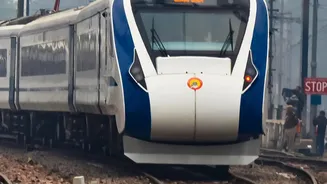
While disruptions are happening nationwide, several regions have been particularly hard-hit. The Western Railway has seen numerous cancellations and short-terminations on the busy Mumbai-Ahmedabad route due to severe waterlogging and bridge safety concerns. The Mumbai-Pune corridor has also faced repeated disruptions, including landslides in the Lonavala-Karjat ghat section, impacting popular services like the Deccan Queen and Koyna Express. The Konkan Railway has implemented its annual monsoon timetable, which runs until October. This special schedule involves slower speeds and revised timings for dozens of trains, including premium services like the Vande Bharat and Rajdhani Express, to ensure safety on the landslide-prone route. Elsewhere, the South Eastern Railway's Adra Division has numerous cancellations due to track repair work, and flooding in Assam has previously halted traffic in the Northeast.
Your Essential Pre-Travel Checklist
Given the dynamic situation, simply having a confirmed ticket is no longer enough. The most critical step is to verify the live status of your specific train on the day of your journey. Do not assume the schedule you booked weeks or months ago is still valid. Check for cancellations, diversions, short-terminations, or significant delays. If your train is rescheduled, note the new departure time. It's wise to do this before you leave for the station to avoid unnecessary travel and waiting. Have a backup plan in mind, especially if your travel is time-sensitive. This could involve looking up alternative trains or other modes of transport in case of a last-minute cancellation. Finally, ensure your contact details on your IRCTC profile are up to date to receive any official SMS or email notifications from the railways.
How to Get Real-Time Updates
The most reliable source for live train information is the National Train Enquiry System (NTES). You can access NTES through its official website or mobile app. Simply enter your train number to get its real-time location, any reported delays, and its expected arrival time at your station. The official IRCTC Rail Connect app and website are also primary sources for checking your PNR status and any schedule changes. Several third-party apps and websites like RailYatri and ConfirmTkt also provide live tracking, sometimes using crowd-sourced data for greater accuracy. For those without easy internet access, the railway helpline number 139 remains a dependable option for inquiries via call or SMS.
Navigating Cancellations and Refunds
If Indian Railways cancels your train, you are entitled to a full refund of the fare. For e-tickets booked via IRCTC, this process is automatic. The full fare will be credited back to the original payment account within a few days; you do not need to cancel the ticket yourself or file a TDR (Ticket Deposit Receipt). If your train is running late by more than three hours, you can also claim a full refund, but you must file a TDR online before the train's actual departure to be eligible. For tickets purchased at a physical counter, you will need to present the ticket at a station to claim the refund within the specified time frame. Be aware that convenience fees and agent service charges are generally non-refundable.